An emotional advantage of multilingualism
Nguồn và giấy phép
- Tên bài
- An emotional advantage of multilingualism
- Tác giả
- Martin J. Koch, Kristin Kersten, Werner Greve
- Tạp chí
- Bilingualism: Language and Cognition, 2024
- DOI
- 10.1017/s1366728923000937
- Giấy phép
- CC BY 4.0
Đã chuyển định dạng từ bản gốc; nội dung không thay đổi.
Xem bản gốc
Bilingualism: Language and Cognition
cambridge.org/bil
Research Article
Cite this article: Koch, M.J., Kersten, K., & Greve, W. (2024). An emotional advantage of multilingualism. Bilingualism: Language and S1366728923000937 Cognition, 27, 950–963. h�ps://doi.org/10.1017/
Received: 13 February 2023 Revised: 20 September 2023 Accepted: 3 December 2023 First published online: 10 January 2024
Keywords:
emotional advantage; multilingualism; emotional competence; executive functions; divergent thinking; cultural frame switching; language switching
Corresponding author:
Martin J. Koch; E-Mail: martin.koch@uni-wuerzburg.de
© The Author(s), 2024. Published by Cambridge University Press. This is an Open Access article, distributed under the terms of the Creative Commons Attribution licence (http://creativecommons.org/licenses/by/4.0/), which permits unrestricted re-use, distribution and reproduction, provided the original article is properly cited.

An emotional advantage of multilingualism
Martin J. Kocha , Kristin Kerstenb and Werner Grevec
a Institute Human-Computer-Media, Julius-Maximilians-University Würzburg, Würzburg, Germany; English Department, University of Mannheim, Mannheim, Germany and Institute of Psychology, Hildesheim University, Hildesheim, Germany
Abstract
The goal of the current paper is to investigate effects of multilingualism regarding emotional competence (EC). We argue that there might be two paths of influence that connect multilingualism and EC. First, we assume that multilingualism represents a linguistically and culturally heterogeneous context that may stimulate the development of EC. Second, cognitions, such as executive control or divergent thinking, might be an important condition for or constituent of emotions. Since cognitive abilities are sometimes assumed to be positively influenced by multilingualism (called the cognitive resp. bilingual advantage hypothesis), multilingualism might affect EC by boosting these cognitive functions. In an initial pre-study (N = 85) we found that two EC subcomponents were significantly predicted by degree of multilingualism (DM). In a second study (N = 989), we found that DM significantly predicted EC directly and was mediated by cultural heterogeneity but not by language switching, executive functions, or divergent thinking.
1. Towards a hypothesis of an emotional advantage
The controversial cognitive advantage hypothesis puts forward several claims: that bi-/multilingualism has beneficial effects not only on cognitive functions that are directly related to language (e.g., metalinguistic awareness) but also on "narrow" cognitive mechanisms such as working memory, information inhibition, or task shifting (for an overview see Antoniou, 2019; Festman et al., 2023; Paap, 2023). Although such effects have been widely reported, no consensus has yet emerged. Some studies with large samples and meta-analyses have not found cognitive benefits or have found them only under certain conditions (for recent discussions see Festman et al., 2023; Paap, 2023). To our knowledge, only two studies have looked beyond cognitive abilities and tested for possible emotional advantages of multilingualism so far (Alqarni & Dewaele, 2018; Dewaele, 2019). While the role of emotions and emotional competence in language learning have received more attention in recent years (e.g., Derakhshan, 2022; Derakhshan et al., 2022a, 2022b, 2023; Greenier et al., 2021; Solhi et al., 2023; Valente et al., 2022; Wang et al., 2021), more research is needed to address the question whether multilingualism might have a positive effect on emotional competence. The current article presents a theoretical framework on the relationship of emotional competence and multilingualism and presents two empirical studies with the purpose of providing additional empirical information on this under-researched question.
The present study investigates whether multilingualism positively affects emotional competences (EC). EC are the general competences of an individual to identify, express, understand, regulate, and utilize their own and others' emotions (Brasseur et al., 2013). Sometimes, the term "emotional intelligence" is used as a synonym. What most definitions (of emotional intelligence as well as EC) have in common is that they encompass a variety of individual skills at subordinate levels (while differing with respect to the exact number and configuration, e.g., Brackett et al., 2016; Brasseur et al., 2013; Petrides, 2011; Saarni, 1999). Emotion regulation (ER) is seen as an important part of emotional competence (e.g., Brackett et al., 2016) that is often investigated independently from other aspects of emotional competence. ER has extensively been researched in the context of learning and teaching English as a foreign language (e.g., Greenier et al., 2021; Solhi et al., 2023; Valente et al., 2022). Another facet of EC is emotional granularity, which describes the degree of complexity and diversity of emotions in an individual (Barrett, 2017a). In the following, we will review prior empirical studies on the relationship of multilingualism and emotional competence, review further literature in order to describe a framework on both paths connecting multilingualism and emotional competence, and present empirical findings on a hypothesised emotional advantage.
2. The role of emotions in the current cognitive advantage debate
The current debate has so far almost entirely neglected the assumption that benefits of multilingualism might also be possible for abilities that go beyond cognition, such as emotional abilities. This is somewhat surprising: the close interrelation between language and emotion has been acknowledged many times (Lindquist et al., 2016) – for instance, regarding its role in learning a foreign language (e.g., Derakhshan, 2022; Derakhshan et al., 2022a, 2022b, 2023; Wang et al., 2021). Yet, to our knowledge only two studies explicitly deal with emotional advantages of bilingualism so far. Alqarni and Dewaele (2018) found a higher emotional intelligence for multilinguals (Arabic– English) than for individuals who only spoke English. A re-analysis of three samples (Dewaele, 2019), however, showed that there was no correlation between different measures of multilingualism and emotional intelligence when the number of languages spoken or self-assessed language proficiency summed up for all languages (one sample only) were considered. Other studies (e.g., Soodmand Afshar & Rahimi, 2016) found a positive relation between students' emotional intelligence and learning of English as a foreign language. However, they do not assume that the acquisition of languages leads to higher emotional competence, but that emotional competence predicts (i.e., facilitates) language learning.
3. A two-path framework for an Emotional Advantage of multilingualism
In this paper, two partially complementary assumptions about why EC could benefit from multilingualism are combined into a novel framework (Figure 1) about the potential effects of multilingualism on EC. The first path is based on the observation that environmental influences are necessary to stimulate development (e.g., Kandler & Zapko-Willmes, 2017; Rosen et al., 2020). We assume that heterogeneous influences, in particular, stimulate development. As shown before, adaptive forms of coping are presumably stimulated by heterogeneous experiences (Greve & Kappes, 2023). Transferred to EC, our hypothesis makes the following claims. (1) Multilingualism may encompass (or be based on) a heterogeneous and diverse experience that stimulates the development of EC, especially ER. The current study extends earlier research going beyond accommodative coping (Greve et al., 2021; Koch et al., 2023) to emotional competence, including emotion regulation and its preconditions. A second path to a possible effect on EC is based on assumptions of the "narrow" cognitive advantage: (2a) Multilingualism may positively influence cognitive abilities, which are, in turn, (2b) necessary constituents of and/or helpful resources for emotional competences.
3.1. Extending the "narrow" cognitive advantage hypothesis: The heterogeneity hypothesis
Multilingualism¹ usually is (entails) a heterogeneous, multifaceted, and complex experience that potentially affects the entire reality of a person's life (Gullifer & Titone, 2020; Marian & Hayakawa, 2021). It does not only include the use of two or more languages by an individual or society (Cenoz, 2013); rather, multilinguals experience heterogeneity along several dimensions that are not orthogonal but highly interdependent.
On a linguistic level, multilingualism comprises different facets such as the proficiency level in the different languages, age of acquisition (simultaneous vs. sequential), context (naturalistic vs. instructional, formal vs. informal social contexts), domains, frequency and recency of usage, switching habits, language typology, and more (Festman, 2019). Several of these facets are interrelated; for instance, early acquisition and frequent use in a naturalistic context might lead to higher language competence. In the context of the bilingual advantage hypothesis, especially language switching and the degree of language proficiency have been discussed as important aspects (Bialystok, 2017).
Multilingual individuals, however, do not only operate within two or more different language systems. Changing between languages, they also experience different cultural contexts that can differ in terms of sociolinguistic, socio-cultural, and pragmatic attributes. In different cultures, values, norms, typical perception of self (Markus & Kitayama, 1991), rules of behaviour, the evaluation of emotions and social rules of expression vary, sometimes to a great extent (Davis et al., 2012; Fiske et al., 1998; Matsumoto, 1993; Soto et al., 2005; J. L. Tsai, 2007; W. Tsai & Lau, 2013). On a more basic level, cultures differ in their food, festivities, traditions, clothing, music and much more. All this adds up to high levels of heterogeneous life experiences.
Linguistic and cultural heterogeneity might also entail cognitive heterogeneity. In particular, language systems, cultural systems and cognitive systems are strongly intertwined and shape each other (Boroditsky, 2011; Kramsch, 2004). Cultural differences can influence the way multilinguals think (Boroditsky, 2011; Kramsch, 2004), as speakers adopt interpretive frames (Hong et al., 2000) and mental representations (cognitive restructuring, Athanasopoulos, 2011; Pavlenko, 2011) that are rooted in different cultural knowledge and languages. Switching between these frames depending on the cultural or linguistic setting can therefore lead to changes that influence multilingual thinking patterns (cultural frame switching, Hong et al., 2000). Additionally, switching between languages and/or cultural settings might also necessitate to change between the specific cognitive categories that are shaped by or associated with each language (Pavlenko, 2011). On the other hand, there is some evidence that emotional reactions may vary as a function of different language proficiencies in a multilingual speaker's languages (Thoma & Baum, 2019).
In particular, multilingualism may come with emotional heterogeneity. Emotions can differ between different cultural and linguistic groups. The acquisition of new languages can lead to the acquisition of new or the change or loss of old emotional categories (Pavlenko, 2002, 2011). Lorette and Dewaele (2022) were able
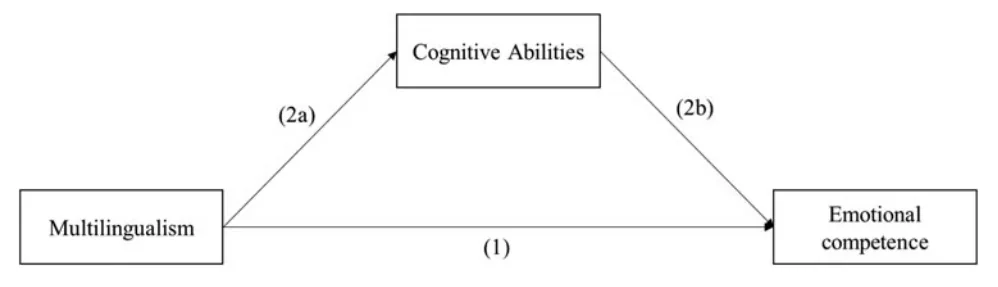
Figure 1. A two-path framework of an Emotional Advantage of multilingualism
to show that the experienced intensity of experiencing others' emotions does not directly depend on language proficiency but could possibly be increased rather than decreased by later acquired language (here: English). Emotion regulation processes seem to vary between persons depending on culturally and linguistically different contexts (Davis et al., 2012; Matsumoto, 1993, 2006; Matsumoto et al., 1988, 2008). It has also been shown that some emotion regulation processes vary between different cultures (Aldao & Tull, 2015). For example, interpersonal emotion regulation was found to be more beneficial for East Asians than for Europeans (Liddell & Williams, 2019), and the use of fewer engagement strategies was related to lower arousal, but only in English-speaking individuals (Quiñones-Camacho et al., 2019). Thus, individuals who encounter different cultures presumably also experience heterogeneity regarding the emotions they experience and the regulative processes they use.
To summarise, multilinguals seem to experience two or more culturally, linguistically, cognitively, and emotionally different worlds. It seems, therefore, reasonable to assume that higher degrees of multilingualism come with higher heterogeneity in life contexts, while lower degrees of multilingualism – for example, in individuals who mainly use only one language, mainly take part in one culture and rely on one rather stable emotional and cognitive system, come with lower levels of heterogeneity. We, thus, assume that multilingualism might represent a diverse and heterogeneous life condition regarding linguistic, cultural, cognitive, and emotional dimensions that stimulate the development of different competences (Greve, 2023). So far, this assumption has only been tested with regard to accommodative coping (Greve et al., 2021). The goal of this paper is to test whether a similar effect can be found regarding another domain of regulatory competences – namely, emotional competence.
3.2. A cognitive connection between multilingualism and emotional competences
In addition to the heterogeneity hypothesis, we postulate a second explanation for a positive relation between multilingualism and EC – that is, mediation by cognitive abilities.
It is not a new idea that cognition and emotions are not independent but are rather closely interwoven. According to some scholars (Lazarus & Folkman, 1984), cognition is an important condition of emotion. Other scholars (Barrett, 2017b; Ortony et al., 1988) even consider cognition a constitutive component of emotion. While we remain agnostic as to the exact theoretical relationship between the two constructs, we do adopt the view that emotion and cognition are not separate but intertwined abilities.
Following the above line of thoughts, one could argue that effects of multilingualism on EC are mediated by cognitive abilities: if multilingualism, as posited by the cognitive advantage hypothesis, positively influences cognitive skills, and if emotional skills are based on or a resource for cognitive skills, we would expect a mediation of cognitive abilities on the relationship between multilingualism and EC. Empirical evidence which has been presented for both parts of this assumed mediation will be reviewed in the following (e.g., Carlson & Wang, 2007).
The cognitive advantage hypothesis: The relation of multilingualism and cognitive abilities
Since Peal and Lambert (1962) stated that multilingualism may have a positive rather than a negative impact on cognition, a
plethora of studies have been conducted testing the cognitive or bilingual advantage hypothesis, using different methods, samples and setups (for overviews, see Antoniou, 2019; Bialystok, 2015; Lehtonen et al., 2023; van den Noort et al., 2019). Following Grosjean (2001) and Paradis (2004), switching between languages requires a flexible adjustment of the activation levels of all languages involved in a conversation. Monitoring language selection and switching between languages is seen as an important driver of, or training effect for, (assumed) cognitive advantages (Bialystok, 2017). In recent years, several meta-analyses on bilingual advantages yielding heterogeneous results with regard to different cognitive functions (e.g., Adesope et al., 2010; Donnelly et al., 2019; Grundy & Timmer, 2017; Gunnerud et al., 2020; Lehtonen et al., 2018; Lowe et al., 2021; Ware et al., 2020) have been added to an ongoing and still vivid debate. Recent studies also contribute to this inconclusive situation: some researchers find a cognitive advantage (Czapka et al., 2020; Grote et al., 2021), while others do not report any advantages of multilingualism (Bellegarda & Macizo, 2021; Jones et al., 2021; Laketa et al., 2021; Liu et al., 2022; Nicoladis et al., 2018; Shokrkon & Nicoladis, 2021) or report differential results depending on the measures and group characteristics (Gillet et al., 2021). Whether a cognitive advantage of multilingualism with respect to "narrow" cognitive functions can be found seems to depend on the specific function under investigation, individual and social conditions of multilingualism, and the setting in and task with which they are measured. Especially because positive effects on cognitive variables are still debated, we include the testing of a mediation of the effect of multilingualism on EC by cognitive variables, in this case executive functions, in Study II. This will contribute to the ongoing debate about advantages of multilingualism regarding EFs (for thorough discussions see, e.g., Bialystok, 2021; Festman et al., 2023; Paap, 2023).
However, even if one would not generally assume a cognitive advantage in the narrow sense, there is evidence to suggest cognitive advantages of multilingualism with respect to mental abilities in a broader sense (Nicoladis, 2016). Studies suggest, for instance, advantages in divergent thinking in problem-solving (Fürst & Grin, 2018; Kharkhurin, 2009; Leikin, 2012; Leikin et al., 2020; Sampedro & Peña, 2019) as well as mental flexibility (i.e., the ability to learn and change behaviour or goals; Dewaele & Botes, 2020; Greve et al., 2021), social flexibility (Ikizer & Ramírez-Esparza, 2018), situational awareness and sensitivity (Contemori & Tortajada, 2020; Yow & Markman, 2011a, 2011b, 2016), perspective taking (Fan et al., 2015), theory of mind (Kovács, 2009; Navarro & Conway, 2021; Rubio-Fernández & Glucksberg, 2012), and self-concepts (Fan et al., 2015; Festman & Schwieter, 2019).
Overall, it might be assumed that multilingualism has a positive influence either on "narrow" or, at least, on "broad" cognitive competences (e.g., flexibility). This would be evidence for the first path of our mediation assumption. However, more research is needed to identify possible moderators and conditions for the effects of multilingualism on cognitive abilities (Festman et al., 2023).
Cognitive abilities as constituents of or resources for emotional competences
According to many appraisal theorists, emotions follow from the cognitive appraisal of stimuli (e.g., Lazarus & Folkman, 1984; Ortony et al., 1988). Ortony and Clore summarize appraisal theories by postulating that "emotions are cognitively elaborated affective states" meaning that physical, hormonal, and affective responses are appraised and transformed into emotions (Clore & Ortony, 2008). Similarly, according to the Theory of Constructed Emotions (Barrett, 2017b), an emotion is a cognitive concept, i.e., a collection of embodied representations throughout the mind that predict what will happen in the sensory environment, and will prepare the decision concerning the best reactions. Following this view that cognitions are a substantial component (Barrett, 2017b) or antecedent of emotions (Lazarus & Folkman, 1984; Ortony et al., 1988), cognitive abilities could also be an important constituent or resource of emotional abilities. Since cognition and emotion cannot be seen as mutually independent (Clore & Schiller, 2016) but are rather closely related, it can be assumed that there are also overlaps with regard to processing (Wilson-Mendenhall & Barsalou, 2016). Without regard to the differentiation of constituent or resource, a relationship between cognitive and emotional competences can be considered very likely.
Different studies corroborate such relationships between different general cognitive abilities and EC, i.e., mainly emotion regulation (Carlson & Wang, 2007; Gyurak et al., 2012; McRae et al., 2012; Opitz et al., 2014; Schmeichel et al., 2008) and general EC (Li et al., 2020; Mohtasham et al., 2017; Rhoades et al., 2009; Riggs et al., 2006). Several studies also find positive cross-sectional relationships between creativity and EC (Nori et al., 2018; Sung et al., 2020) and theory of mind and EC (Ferguson & Austin, 2010; Qualter et al.). These findings present empirical evidence for the second part of our mediation assumption, the effect of cognitive abilities on EC.
Regarding the "broad" cognitive connection of multilingualism and EC, there is some evidence concerning effects of divergent thinking and creativity. Conceptually, divergent thinking (DT) is seen as a constituent of creative behaviour in that DT tests are "estimates of the potential for creative problem solving" (Runco & Acar, 2012, p. 72). Evidence (Fürst & Grin, 2018; Kharkhurin, 2009; Leikin, 2012; Leikin et al., 2020; Sampedro & Peña, 2019) suggests positive effects of multilingualism on divergent thinking (i.e., the ability to generate a high number of different solutions to a task/problem) and positive effects of creative behaviour on emotional competence (Nori et al., 2018; Sung et al., 2020). This research suggests a mediating effect of divergent/creative thinking.
So far, empirical evidence has shown that: (1) multilingualism might represent a heterogeneous experience that stimulates the development of EC; that (2a) multilingualism might positively affect cognitive abilities; and that (2b) cognitive abilities might be a constituent of or resource for EC (cf. Figure 1).
4. Hypotheses
The goal of this paper is to test the main effect of multilingualism on facets of ECs (Study I), and several theoretically plausible paths for a relationship between multilingualism and emotional competence, investigated as mediations (Study II). We assume that, first, multilingualism is hypothesised to be a heterogeneous setting regarding linguistic, cultural, cognitive, and emotional dimensions (Boroditsky, 2011; Festman, 2019; Hong et al., 2000; Kramsch, 2004) and, thus, stimulates the development of (facets of ) EC such as ER and emotional granularity (Study I). In Study II, which investigates mediating effects, we will use language switching and cultural frame switching as mediators to represent heterogeneity regarding linguistic resp. cultural domains. Second, when following the view that cognitions are constituents of (Barrett, 2017b; Ortony et al., 1988; Wilson-Mendenhall & Barsalou, 2016) or conditions (Lazarus & Folkman, 1984) for emotions, we assume that cognitive abilities – that might be positively influenced by multilingualism – are also mediators affecting (facets of ) EC. Thus, if multilingualism leads to an advantage in cognitive abilities, it should also lead to an advantage regarding emotional abilities. Based on research presented above on the relation of executive functions and divergent thinking to both multilingualism and emotional competence, we assume that both cognitive abilities will mediate the effect of multilingualism on EC.
5. Study I
Study I represents a pre-study with the goal to investigate the main effect of multilingualism on different emotional competences. Three research questions were asked that aimed at the simple prediction of multilingualism (operationalised as a degree calculated from competences and time of use for all languages), general emotional competence, and two subordinate emotional competences, i.e., emotion regulation and emotional granularity:
- (1) Does degree of multilingualism positively predict emotional competence?
- (2) Does degree of multilingualism positively predict emotion regulation?
- (3) Does degree of multilingualism positively predict emotional granularity?
5.1. Methodology
A cross-sectional study was administered online in January 2021 via SoSci-Survey (Leiner, 2020; version 3.2; www.soscisurvey.de). The access link was distributed through private and work contacts in Hildesheim (Germany) and the homepage of a German association for early multilingualism (fmks e.V., www.fmks.eu). Every contact was also asked to invite as many people as possible who they deemed interested in participating. Participants were asked for informed consent prior to participation. The survey questions were approved by the ethics committee of the department of educational and social sciences at Hildesheim University (approval number: 217). The authors assert that all procedures contributing to this work comply with the ethical standards of the relevant national and institutional committees on human experimentation and with the Helsinki Declaration of 1975, as revised in 2008.
Participants
85 individuals participated in this study, ranging from 18 to 81 years (M = 31.56 years, SD = 13.30, 82.4% female, 47.1% university students, Table 1). Most were born in Germany (95.3%), one person each was born in Albania, Kazakhstan, Russia, and the United Kingdom. 20% of all participants had a migration background (they or at least one of their parents were born outside of Germany).
Instruments
The online study, conducted in German, included questions on the socio-biographical and linguistic background and several standardised instruments. Degree of multilingualism (DM) was measured using our own German translation of the Language and Social Background Questionnaire (Anderson et al., 2018): the
Table 1. Means, standard deviations and correlations for degree of multilingualism (DM), emotional granularity (EG), emotional competence (EC), emotion regulation (ER), age, gender, migration background (MB), and socioeconomic status (SES).
| Mean | SD | DM | EG | EC | ER | Age | Gender | MB | |
|---|---|---|---|---|---|---|---|---|---|
| 1. DM | 1148.94 | 626.59 | |||||||
| 2. EG | 0.59 | 0.46 | .22* | ||||||
| 3. EC | 149.48 | 20.19 | .10 | .09 | |||||
| 4. ER | 60.52 | 9.76 | .20+ | .13 | .25* | ||||
| 5. Age | 31.56 | 13.22 | .10 | −.08 | .18+ | .06 | |||
| 6. Gender | −.05 | .03 | −.19+ | −.18+ | .11 | ||||
| 7. MB | .28** | .04 | −.18 | .12 | −.11 | .00 | |||
| 8. SES | 62.25 | 14.12 | .39** | .16 | .08 | .13 | .18 | .08 | .26* |
Note. ⁺ p < .1, *p < .05, **p < .01.
proficiency in all languages except German was self-reported for speaking, understanding, reading and writing, respectively, using a slider from 0 to 10 ("Relative to a highly proficient speaker's performance, rate your proficiency level on a scale of 0-10 for the following activities conducted in English and your other language(s)"; translated from German). The amount of language use was self-assessed as time spent on speaking, listening, reading, and writing for all languages except German on a scale of 0 (not at all) to 4 (all the time) ("How much of the time you spend on each of the following activities did you spend with language X?"; translated from German). For each of these languages, the respective proficiency and amount of language use (e.g., comprehension and listening) were multiplied. DM was operationalised as the sum of the products of language proficiency and amount of use for all languages reported.
Emotional granularity (EG) was measured using a scenario rating task that was adapted from the one used by Boden et al. (2013). Participants read 15 short emotion-eliciting texts and were asked to rate their current emotional state while reading in relation to 12 emotion words on a scale of 0 to 6. Average intraclass correlations were Fisher-z transformed and subtracted from 1 so that high scores indicate high EG. General EC was assessed with the Trait Emotional Intelligence Questionnaire – Short Form (Petrides, 2009) as this measure was used by Alqarni and Dewaele (2018) to test for an emotional advantage. A sum score was calculated for all 30 items that were self-assessed on a 7-point Likert scale (Cronbach's α = .86). To assess emotion regulation (ER), our own German translation of the Flexible Regulation of Emotional Expression (FREE) Scale by Burton and Bonanno (2016) was used (Cronbach's α = .73) which measures the ability to flexibly enhance and down-regulate facial emotional expressions. A sum score was calculated for all items. Participants' socioeconomic status was derived from their parents' occupations according to the international socio-economic index (Ganzeboom, 2010). The highest value from both parents was used (i.e., HISEI).
5.2. Results
First, correlations were calculated for all variables (Table 1). Positive correlations were only found between DM and EG as well as between DM and the ER on a level of α = 10%. However, no significant correlation was found between DM and EC. Of the three dependent variables, there is only a significant correlation between
the EC and ER. EG did not correlate with either of the other two dependent variables. The participants' migration background showed a small correlation only to DM but did not correlate with the dependent variables. The socioeconomic status correlated with DM but not with the dependent variables.
To answer all three hypotheses, linear regressions were calculated. Structural equation modelling was not possible due to the small sample size (for an in-depth discussion on samples sizes for SEM see Wolf et al., 2013). To adjust the analysis for the violation of homoscedasticity of error variances which was graphically tested, a robust estimation for standard errors (HC4) was used for the regression analyses. The three separate linear regressions show that DM was a predictor for the two basic constructs, EG and ER, while no prediction was found for the more complex superordinate construct of EC (Table 2).
5.3. Discussion Study I
In Study I, in three linear regressions, DM positively predicted both ER and EG in accordance with the hypotheses; EC, however, was not significantly predicted. The two positive effects were strong enough to become significant even in our small data set (N = 85). Our results are thus in part in line with the assumption that multilingualism might lead to an emotional advantage. This suggests that possible (beneficial) effects of multilingualism in EC might be less domain-general but rather domain-specific; EC includes several (sub)competences that benefit only partially or selectively from multilingualism. This leads to the assumption that a possible emotional advantage is more specific or particular to some facets of EC, especially ER.
Study I has some methodological limitations that must be acknowledged. In particular, all measures of EC and
Table 2. Standardised effects (β) and significance (p), model tests for the three regressions (F(df1, df2) including significance (p) for the effects of degree of multilingualism (DM) on emotional competence (EC), emotion regulation (ER), and emotional granularity (EG).
| F(1, 83) | p | b | p | β | R2 | |
|---|---|---|---|---|---|---|
| EC | 1.04 | .302 | 0.003 | .302 | 0.10 | |
| ER | 4.61 | .035 | 0.003 | .035* | 0.20 | 3.9% |
| EG | 4.73 | .033 | 0.0002 | .033* | 0.22 | 4.8% |
Note. *p < .05
multilingualism were collected cross-sectionally. Also, the sample is small, restricting the power, and might be biased because all participants were recruited via professional and private contacts. This is reflected clearly by the high positive correlation of DM and SES, which is rather untypical. Other problems arose in the assessment of language. German proficiency was not assessed as the study was conducted in Germany and mostly consisted of native Germans. Assessing differences in German proficiencies, especially for the participants with German as an L2, may have helped to increase the reliability of the assessment of degree of multilingualism. DM only captures a few facets of multilingualism that are related to language competence and language use itself. Other facets (such as cultural frame switching, etc.) had to be neglected to keep the survey at a manageable length. To obtain consistent results, EG had to be estimated with a reduced number of items. Originally, the measurement of EG consisted of 20 emotion-eliciting stimuli, five of which were separate for students and non-students. Those five stimuli were excluded due to large differences in the responses between student and non-student sub-populations.
6. Study II
After establishing a positive link between multilingualism and aspects of emotional competence, the goal of Study II was then to investigate the role of different cognitive skills and linguistic/ cultural indicators for the heterogeneity of multilingualism as mediators of this relationship. Language switching and cultural frame switching were included to capture heterogeneity regarding the linguistic resp. cultural-cognitive domains of multilingualism. However, we do not assume that both constructs alone mediate the entire effect as they only depict specific aspects of the heterogeneity of multilingualism. Two research questions were asked:
- (1) Does degree of multilingualism positively predict emotional competence?
- (2) Do language switching, cultural frame switching, executive functions, and divergent thinking mediate the effect of the degree of multilingualism on emotional competence?
6.1. Methodology
The cross-sectional study was administered online in June 2022 via SoSci-Survey (Leiner, 2020; version 3.3; www.soscisurvey.de). Participants were recruited via the commercial platform Prolific (www.prolific.co). They were paid a gratuity of 6 £ for an estimated duration of 40 minutes for our questionnaire. The mean completion time for the questionnaire was 26.3 minutes (SD = 5.29). Participants were asked for informed consent prior to the participation. The study was approved by the ethics committee of the department of educational and social sciences at Hildesheim University (approval number: 226). The authors assert that all procedures contributing to this work comply with the ethical standards of the relevant national and institutional committees on human experimentation and with the Helsinki Declaration of 1975, as revised in 2008.
Participants
Via Prolific, 1000 participants with either English or German as their first language were recruited from the US, the UK, and Germany. The youngest participant was 18, and the oldest 82, with an average age of 40.92 years (SD = 14.48). 58.3% of the participants were female (male: 40.3%, divers or other: 1.4%). Most participants were born in the UK (81.9%), USA (6.8%) and Germany (3.5%). The average individual reported 1.69 languages (SD = 0.98). Most participants were English-speaking monolinguals (Table 3). The current sample includes 989 individuals because for 11 colourblind individuals the measurement of executive functions had to be excluded.
Instruments
The online study, which was provided in English and German for each participant's preference, included questions on the sociobiographical and linguistic background, and several standardised instruments. The means and standard deviations as well as correlations for all measures can be found in Table 4. DM was again measured using the Language and Social Background Questionnaire (LSBQ, Anderson et al., 2018), and operationalizes as described in Study I. However, this time, all languages were included.
As EC was not significantly predicted in Study I using the Short Form of Petrides (2009), we operationalized it differently with the longer and more detailed Profile of Emotional Competence (PEC; Brasseur et al., 2013). The PEC allows to calculate a score for general EC as a mean score of its 50 items. It includes items such as "If I wanted, I could easily influence other people's emotions to achieve what I want" or "When I am feeling low, I easily make a link between my feelings and a situation that affected me". Participants rated their own emotional competence on a scale of 1 to 5. Then, a mean score was calculated. The internal consistency of all 50 items was very high (α = .92).
Language switching was measured using another scale from the LSBQ (Anderson et al., 2018). Participants were asked to report how often they switch between languages within a conversation with different individuals (i.e., family/parents, friends, social media, colleagues, educational context) on a 5-point Likert scale ("never"–"always"). For each participant, a mean score was calculated. The internal consistency of the scale was good (α = .78).
To measure cultural frame switching, we adapted the scale for language switching from the LSBQ (Anderson et al., 2018) to
Table 3. Relative frequencies for the number of languages and the English status
| English status | |||
|---|---|---|---|
| N languages | frequency | category | frequency |
| 1 | 56.8% | English only | 56.80% |
| 2 | 25.0% | English as L1 | 22.50% |
| English as LX | 2.20% | ||
| no English | 0.30% | ||
| 3 | 12.3% | English as L1 | 10.50% |
| English as LX | 1.60% | ||
| no English | 0.20% | ||
| 4 | 3.3% | English as L1 | 2.80% |
| English as LX | 0.50% | ||
| 5 | 2.4% | English as L1 | 1.60% |
| English as LX | 0.80% |
| Mean | SD | DM | EC | LS | CFS | EF | |
|---|---|---|---|---|---|---|---|
| 1. DM | 2111.27 | 479.46 | |||||
| 2. EC | 3.40 | 0.50 | .14** | ||||
| 3. LS | 1.60 | 3.28 | .60** | .07* | |||
| 4. CFS | 3.94 | 5.20 | .29** | .12** | .43** |
-
DT 0.00 2.97 .07* −.03 .01 .08* −.05
-
EF 0.00 0.72 −.03 .02 −.07* −.07*
Table 4. Means, standard deviations, and correlations for degree of multilingualism (DM), emotional competence (EC), language switching (LS), cultural frame switching (CFS), executive functions (EF), divergent thinking (DT), and age.
Note. *p < .05, **p < .01.
reflect changes between cultural schemas instead of linguistic systems following the definition of Hong et al. (2000). First, a short description of cultural frame switching was given (Appendix A). Then, participants were asked to report how often they switch between cultural frames within the same social contexts used for language switching on an identical 5-point scale. A mean score was calculated across all items showing a high internal reliability (α = .83).
Executive functions were assessed with a Flanker and a Simon task. For all participants who indicated to have colour vision deficiencies, these tasks were skipped. The first task was an adapted Flanker task as used by Luk et al. (2011). The task consisted of two control and two test blocks in the order control – test – control – test. Between blocks, participants had to press a key to continue. In the control blocks, the participants saw a red chevron in the centre of the screen and had to indicate the direction the chevron was pointing to by pressing one of two keys ("A" and "K") on the keyboard. The control blocks consisted of six trials in which the chevron pointed to the left and six trails where it pointed to the right in a randomised order. In the test blocks, the participants saw four black and one red chevrons in the middle of the screen and should indicate the direction of the red chevron in an identical way. The test blocks consisted of 24 congruent and 24 incongruent trials. The red chevron appeared in each of the three central positions for 16 times in a randomised order. In the incongruent trials, the red chevron pointed in the direction opposite to the flanking chevrons, whereas in the congruent trials, it pointed in the same direction as the flanking chevrons. All stimuli were presented for a minimum of 1 ms or until a response was detected. No maximum presentation time was chosen because a multilingual advantage might only be identifiable in long reaction times (Zhou & Krott, 2016). After a response, as a break, five rhombuses were presented for 500 ms before the next trial was shown.
A Simon task (e.g., Bialystok et al., 2004) was designed with an identical setup (identical number and sequence of blocks; identical number of trials per block; and identical time sequence). In the control blocks, the participants had to indicate the colour of the letter "X" that was shown in the middle of the screen by pressing a key ("A" for blue, "K" for red). In the test blocks, the participants saw the "X" either displayed on the left or on the right side of the screen and had to indicate the colour by pressing one of the keys. Colours were displayed under the stimuli (blue on the left and red on the right) to remind participants which key to press for which colour. In the congruent trials, the stimulus and the key for the answer were on the same side (blue "X" and "A" key, red "X" and "K" key). In the incongruent trials, the stimulus
was shown on the opposite side of the screen. Reaction times were recorded with an accuracy of 10 ms with Java Script, according to the SosciSurvey statement (https://www.soscisurvey.de/help/doku. php/de:create:questions:assignment).
Including all correct trials, a mean congruent reaction time and mean incongruent reaction time was calculated for Flanker and Simon separately. For the total EF score, for each individual, the difference of congruent and incongruent mean reaction times on correct trials was calculated for both tasks separately: the result was z-standardised, and then averaged across both tasks.
Divergent thinking (DT) was measured using a shortened version of an online DT test presented by Pásztor et al. (2015) with four instead of six stimuli to reduce time on task. In the first two tasks, the participants were asked to list as many unusual and interesting uses for (1) a cup and (2) a toothbrush. In the third and fourth tasks, the participants were asked to list as many interesting and unusual meanings for two pictures (Figure 2). Per task, the participants had three minutes. The time started when the participants opened the page with the tasks. After the time was over, the page with the next task was loaded automatically and a new timer started. Item descriptions were slightly adapted from the original as presented by Pásztor et al. (2015).
Every answer was coded into a main category and a subcategory. To calculate an originality score for each answer, we used the formula k = (1 - (I + i) / 2*T)¹⁴ that was also used by Pásztor et al. (T = total number of responses, I = number of responses in a main category, i = number of responses in a subcategory). This formula calculates an originality score k between 0 and 1 that not only includes how often an answer was given but also how often answers from the same categories on both levels were given (Barkóczi & Klein, 1968). An individual's originality score was calculated by summing up all k-scores per task, z-standardising the result and then calculating a sum score. The internal consistency calculated with the final score from each task was good (α = .72).
6.2. Results
To test research questions (1) whether the degree of multilingualism positively predicts emotional competence and (2) if language switching, cultural frame switching, executive functions and divergent thinking mediate the effect, a mediation analysis was calculated using the add-on Process 4.2 for IBM SPSS 28. All requirements for the analyses were fulfilled as we found no multicollinearity (all VIF ≤ 1.80) and graphical tests revealed a normal distribution of standardised residues and homoscedasticity. Although preferable, structural equation modelling (SEM) was


Figure 2. Pictures used in the tasks for divergent thinking, provided by A. Pásztor (personal communication)
not indicated for this study for several reasons. First, individuals were able to report different numbers of languages for degree of multilingualism and different numbers of answers for divergent thinking. This would, however, result in a significant number of variables with values not missing at random, which would not be compatible with SEM which requires complete datasets or data that allows for the imputation of missing data. In addition, the measures used for language switching, cultural frame switching, and executive functions do not follow the logic of SEM, either, as they cannot be considered manifest indicators of a latent variable. They rather either indicate the same behaviour on different occasions of language switching and cultural frame switching, or, in the case of executive functions, they only represent the variable when differences between congruent and incongruent trials are calculated, and are thus not suitable for an SEM.
Results revealed that degree of multilingualism significantly predicted emotional competence (β = .14, F(1, 987) = 19.21, p < .001). By itself (i.e., without adding the mediators), degree of multilingualism explains 1.91% of variance of emotional competence. Cultural frame switching and language switching were significantly predicted by degree of multilingualism while executive functions and divergent thinking are not (Table 5).
For the first path of the mediation, DM predicted LS, CFS and DT. Emotional competence is significantly predicted by degree of multilingualism and cultural frame switching. Language switching, executive functions and divergent thinking do not significantly predict emotional competence (Table 5). In total, 3.03% of variance of emotional competence can be explained. To test the significance of indirect effects, 10000 bootstrap samples were randomly selected from the existing sample. 95-% confidence intervals were calculated. The indirect effect of degree of multilingualism on emotional competence via cultural frame switching was different from zero (95%-CI: 0.011, 0.051) while all other indirect effects were not (all other 95%-CIs included 0), which means that the effect of DM on EC is significantly mediated by CFS but not by LS, EF, or DT.
6.3. Discussion study II
In Study II, in a much larger data set, DM significantly predicted EC directly and indirectly via cultural frame switching. However, the effect was not significantly mediated by language switching, executive functions, or divergent thinking. This seems to support the hypothesis that multilingualism is a stimulating developmental
Table 5. Standardised effects (β) and significance (p), model tests for the regressions (F(df1, df2) including significance (p) for a. the effects of degree of multilingualism (DM) on the mediators, and b. for the regression of DM and the mediators on emotional competence (EC) (calculated with SPSS Add-On Process).
| β | p | F(1, 987) | p | R2 | |
|---|---|---|---|---|---|
| a. Regressions on mediators | |||||
| DM → LS | 0.60 | <.001*** | 542.55 | <.001*** | 35.47% |
| DM → CFS | 0.29 | <.001*** | 88.11 | <.001*** | 8.20% |
| DM → EF | −0.03 | .319 | 0.99 | .319 | 0.10% |
| DM → DT | 0.07 | .039* | 4.30 | .039* | 0.43% |
| b. Regression on EC | 6.14 | <.001*** | 3.03% | ||
| DM → EC | 0.15 | <.001*** | |||
| LS → EC | −0.06 | .143 | |||
| CFS → EC | 0.10 | .003** | |||
| EF → EC | 0.03 | .348 | |||
| DT → EC | −0.04 | .160 |
Note. *p < .05, **p < .01, ***p < .001.
condition for EC as described in path (1) of our theoretical frame. It does, however, not corroborate the assumption that multilingualism influences EC via cognitive abilities such as divergent thinking and EF as we assumed in paths (2a) and (2b) of our theoretical frame. In addition and interestingly, the non-significant prediction of DM on EF is further evidence against the "narrow" cognitive advantage hypothesis, while the data show a positive effect of DM on divergent thinking, supporting a cognitive benefit in the "broad" sense. Thus, regarding path (2a) of our framework, we found mixed results.
Study II helped to reduce most of the limitations that were present in Study I as the data set was substantially bigger (N = 989), extended scales were used for emotional competence, and measures for potential mediators were included. However, the data was collected entirely online and in a self-selected sample recruited via Prolific, which might be problematic because the sample might be biased. To measure degree of multilingualism, cultural frame switching, and language switching, self-report measures were used which can also be subject to biases. For the measurement of executive functions and divergent thinking, factors such as distractions in the environment or low motivation could not be controlled. A more controlled environment could only be provided in a laboratory setting.
7. General discussion
The goal of both studies presented in this paper was to explore whether the bilingual advantage hypothesis could be extended to an emotional advantage (cf. Alqarni & Dewaele, 2018; Dewaele, 2019). For this reason, we proposed a theoretical framework based on the two following major ideas. (1) Multilingualism may encompass (or be based on) a heterogeneous and diverse experience that stimulates the development of EC, (2a) Multilingualism may positively influence cognitive abilities, which are (2b) necessary constituents of and/or helpful resources for emotional competences. While the first study can be seen as an initial investigation to establish general positive effects, the second study puts a focus on potential mediators that either (1) specify multilingual heterogeneity (i.e., as language switching and cultural frame switching) or that (2a) assess basic and broad cognitive abilities that may (2b) mediate the effect of multilingualism on EC (i.e., executive functions and divergent thinking). Previous results regarding a possible emotional advantage were more mixed: while Alqarni & Dewaele (2018) reported significant positive associations between multilingualism and EC, Dewaele (2019) did not find such relationships. Similar to the first study, other researchers found cross-sectional relations between English foreign language competence and emotional competence (Soodmand Afshar & Rahimi, 2016). Possibly, Dewaele's (2019) non-significant results might be attributed to the assessment of number of languages and language proficiency, which did not consider frequency of use and other measures of heterogeneity.
With the exception of EC in Study I, our results seem to be robust. A possible explanation for the non-significant effect of DM on EC in Study I could be the low power of the sample (1-β = 54.1%), which makes it very likely that an effect was not found that might actually exist. In addition, a short version of a questionnaire was used in Study I. We would, therefore, not interpret our non-significant result from Study I as strong evidence against an emotional advantage. On the other hand, the significant predictive effects in Study I and Study II can be understood
as rather strong support for the emotional advantage, especially in view of the fact that in Study II the power was high, and EC was operationalised using a longer questionnaire.
However, it must be pointed out that these observed effects of multilingualism on emotional competences in our studies are purely correlative in nature. We cannot establish a causal direction of effects with cross-sectional data. Theoretically, it might also be possible that heightened emotional competences lead to more successful acquisition of a second language and, thus, to a higher DM (Soodmand Afshar & Rahimi, 2016). More emotionally competent individuals might be better at regulating their emotions in a multilingual context: they could reduce the negative emotions that constrain language acquisition and increase positive emotions that would facilitate language acquisition. In this way, more languages and a higher degree of proficiency could be acquired. Correspondingly, emotional competences might also be a RESOURCE for language learning.
The mediation effects in Study II provide more detailed information about possible mechanisms of the effects of multilingualism on emotional competence. Cultural-cognitive heterogeneity (Boroditsky, 2011; Kramsch, 2004) as represented by cultural frame switching (Hong et al., 2000) seems to at least partially explain the effect of multilingualism on emotional competence. Switching between languages, however, which represents an aspect of linguistic heterogeneity, did not significantly mediate the effect. The question of why cognitive-cultural heterogeneity but not linguistic heterogeneity was associated with multilingualism and exerted a positive effect on emotional competence cannot be conclusively answered because both language switching and cultural frame switching only represent singular aspects of linguistic and cultural/cognitive heterogeneity and do not provide a holistic picture of both domains.
The assumption that "narrow" or "broad" cognitive abilities (operationalised as executive functions and divergent thinking) mediate the effect, as described in path (2a) and (2b) of our framework, could not be corroborated. We did not find effects of degree of multilingualism on executive functions. For our sample, the power to detect an effect of multilingualism on executive functions was close to 100%, which renders a β-error highly unlikely. This finding is highly relevant to the debate on the cognitive benefits of multilingualism and supports the calls for further analysis of the conditions and prerequisites for these advantages (Festman et al., 2023). However, we did find a significant predictive effect of the degree of multilingualism on divergent thinking, in line with path (2a) of our framework. With an R2 -value of 0.43%, this result can be seen as support for an advantage of multilingualism with respect to broad cognitive skills (2a). The results for divergent thinking are in line with prior – and so far less controversial – results that show positive effects of multilingualism beyond basic cognitive abilities (Fürst & Grin, 2018; Kharkhurin, 2009; Leikin, 2012; Leikin et al., 2020; Sampedro & Peña, 2019). Our results support the notion that speaking more than one language might strengthen cognitive mechanisms that support creative performance (Kharkhurin, 2015).
Even though several studies support the assumed link of creativity and emotional competence (Nori et al., 2018; Sung et al., 2020) and executive functions and emotional competence (Carlson & Wang, 2007; Gyurak et al., 2012; McRae et al., 2012), as described in path (2b) of our framework, neither significantly predicted emotional competence in our sample. Several differences between our study and the cited studies could be the reason. All three studies on the relation of executive functions and emotional competences focused on the specific domain of emotion regulation. This domain is included in the overall measure on emotional competence used in our study. If the effect is indeed specific to emotion regulation, the other domains of emotional competence used in our scale might blur a positive effect of executive functions.
Studies that found positive relationships between creativity and emotional competence also differ from our study in terms of methodology. Even though Nori et al. (2018) used a short version of the measure we used for emotional competence in Study II, they did not assess divergent thinking but creative styles and achievements. Similarly, Sung et al. (2020) used questionnaires to measure creative performance in a working context. These results suggest that actual creative behaviour, of which divergent thinking is only one aspect, might be related to emotional competence.
7.1. Future research
Further research is needed regarding the mechanisms by which multilingualism is thought to affect emotional competence. Cultural frame switching only explains a proportion of the effect of degree of multilingualism on emotional competences. More work is needed to identify other aspects of multilingualism and multiculturalism that might have a positive influence on emotional competence in addition to the degree of multilingualism and other mediators that cover other aspects of heterogeneity in addition to cultural frame switching (i.e., more potential variables to cover path (1) of our framework). Additionally, other cognitive abilities might mediate the effect as they are potentially affected by multilingualism (2a) and potentially influence emotional competence (2b). A promising alternative cognitive mediator could be theory of mind, which seems to be positively related to multilingualism (Kovács, 2009; Navarro & Conway, 2021; Rubio-Fernández & Glucksberg, 2012) and to emotional competence (Ferguson & Austin, 2010; Qualter et al., 2011).
To address the limitations of self-assessment questionnaires, more objective measures might be used to measure degree of multilingualism and language switching. Objective language tests might help to elicit more reliable information on language competences, or experience sampling/diary techniques on language use, language switching, and cultural frame switching. For the latter, participants receive regular notifications over longer periods of time (e.g., via phone or special devices) or are asked to write a daily diary, noting down the frequency of language use, language switching, and cultural frame switching, etc.
Future work should make use of more sophisticated statistical analyses such as structural equation modelling, which was not possible here due to structural incompatibilities as described in Study II). Until now, only cross-sectional results exist that relate multilingualism and emotional competence. Cross-lagged panels or other longitudinal approaches should be used to investigate a potential effect of multilingualism on emotional constructs. A crucial next step would be to conduct a longitudinal study on the development of emotional competences taking into account different influential factors such as cognitive, linguistic, and cultural heterogeneity.
8. Conclusion
Following the initial research on emotional advantages of multilingualism (Alqarni & Dewaele, 2018; Dewaele, 2019), the present study contributes to the investigation of positive consequences of multilingualism that go beyond basic cognitive competences. We proposed a framework on the relationship of multilingualism and emotional competence via the following two paths. (1) Multilingualism stimulates the development of emotional competence and (2a) influences cognitive abilities, which (2b) are constituents of and/or resources for emotional competences. We found positive predictive effects of the degree of multilingualism, including measures for frequency and proficiency, on (components of ) emotional competence in two different cross-sectional samples. Additionally, we found that cognitive heterogeneity, represented by cultural frame switching, mediated this effect, supporting path (1) of our framework. This mediation suggests that cultural-cognitive heterogeneity is a potential source of advantages regarding emotional competence. In addition, multilingualism also predicted a broad cognitive variable, divergent thinking (path 2a), which supports an extended version view on the cognitive advantage hypothesis (Greve et al., 2021, Koch et al., 2023).
9. Data availability statement
Data sets from both studies were collected by the authors as described in the corresponding methodology sections. All data sets are available from the corresponding author upon request.
Acknowledgements. None
Competing interest. The authors declare none.
Note
1 Some researchers argue that multilingualism is qualitatively different from bilingualism (Festman, 2019) while more often the terms are used interchangeably, or bilingualism is seen as one instance of multilingualism (use of exactly two languages; Cenoz, 2013). Within the scope of this study, we follow the last view: multilingualism and bilingualism do not qualitatively differ. However, we assume that the more languages an individual knows, the more intensive the effects of multilingualism may be.
References
Adesope, O. O., Lavin, T., Thompson, T., & Ungerleider, C. (2010). A systematic review and meta-analysis of the cognitive correlates of bilingualism. Review of Educational Research, 80(2), 207–245. https://doi.org/10.3102/ 0034654310368803
Aldao, A., & Tull, M. T. (2015). Putting emotion regulation in context. Current Opinion in Psychology, 3, 100–107. https://doi.org/10.1016/j.copsyc.2015.03.022 Alqarni, N., & Dewaele, J. M. (2018). A bilingual emotional advantage? An investigation into the effects of psychological factors in emotion perception in Arabic and in English of Arabic-English bilinguals and Arabic/English monolinguals. International Journal of Bilingualism, 24(2), 141–158. https://doi.org/10.1177/1367006918813597
Anderson, J. A. E., Mak, L., Keyvani Chahi, A., & Bialystok, E. (2018). The language and social background questionnaire: Assessing degree of bilingualism in a diverse population. Behavior Research Methods, 50(1), 250–263. https://doi.org/10.3758/s13428-017-0867-9
Antoniou, M. (2019). The advantages of bilingualism debate. Annual Review of Linguistics, 5(1), 395–415. https://doi.org/10.1146/annurev-linguistics-011718-011820
Athanasopoulos, P. (2011). Cognitive restructuring in bilingualism. In A. Pavlenko (Ed.), Bilingual education & bilingualism. Thinking and speaking in two languages. Multilingual Matters, pp. 19–65.
Barkóczi, I., & Klein, S. (1968). Gondolatok az alkotóképességről és vizsgálatának problémáiról [Reflections on creativity and the problems of its study]. Magyar Pszichológiai Szemle 25, 508–515.
Barrett, L. F. (2017a). How emotions are made: The secret life of the brain. Houghton Mifflin Harcourt.
-
Barrett, L. F. (2017b). The theory of constructed emotion: An active inference account of interoception and categorization. Social Cognitive and Affective Neuroscience, 12(1), 1–23. https://doi.org/10.1093/scan/nsw154
-
Bellegarda, M., & Macizo, P. (2021). Cognitive control and bilingualism: The bilingual advantage through the lens of dimensional overlap. Frontiers in Psychology, 12, 614849. https://doi.org/10.3389/fpsyg.2021.614849
-
Bialystok, E. (2015). Bilingualism and the development of executive function: The role of attention. Child Development Perspectives, 9(2), 117–121. https:// doi.org/10.1111/cdep.12116
-
Bialystok, E. (2017). The bilingual adaptation: How minds accommodate experience. Psychological Bulletin, 143(3), 233–262. https://doi.org/10. 1037/bul0000099
-
Bialystok, E. (2021). Bilingualism as a Slice of Swiss Cheese. Frontiers in Psychology, 12, 769323. https://doi.org/10.3389/fpsyg.2021.769323
-
Bialystok, E., Craik, F. I. M., Klein, R., & Viswanathan, M. (2004). Bilingualism, aging, and cognitive control: Evidence from the Simon task. Psychology and Aging, 19(2), 290–303. https://doi.org/10.1037/0882-7974.19.2.290
-
Boden, M. T., Thompson, R. J., Dizén, M., Berenbaum, H., & Baker, J. P. (2013). Are emotional clarity and emotion differentiation related? Cognition & Emotion, 27(6), 961–978. https://doi.org/10.1080/02699931. 2012.751899
-
Boroditsky, L. (2011). How language shapes thought. Scientific American, 304 (2), 62–65. https://doi.org/10.1038/scientificamerican0211-62
-
Brackett, M. A., Rivers, S. E., Bertoli, M. C., & Saovey, P. (2016). Emotional intelligence. In L. F. Barrett, M. Lewis, & J. Haviland-Jones (Eds.), Handbook of emotions (4th Edition). Guilford Press, pp. 513–531.
-
Brasseur, S., Grégoire, J., Bourdu, R., & Mikolajczak, M. (2013). The Profile of Emotional Competence (PEC): Development and validation of a selfreported measure that fits dimensions of emotional competence theory. PloS One, 8(5), e62635. https://doi.org/10.1371/journal.pone.0062635
-
Burton, C. L., & Bonanno, G. A. (2016). Measuring ability to enhance and suppress emotional expression: The Flexible Regulation of Emotional Expression (FREE) Scale. Psychological Assessment, 28(8), 929–941. https://doi.org/10.1037/pas0000231
-
Carlson, S. M., & Wang, T. S. (2007). Inhibitory control and emotion regulation in preschool children. Cognitive Development, 22(4), 489–510. https:// doi.org/10.1016/j.cogdev.2007.08.002
-
Cenoz, J. (2013). Defining multilingualism. Annual Review of Applied Linguistics, 33, 3–18. https://doi.org/10.1017/S026719051300007X
-
Clore, G. L., & Ortony, A. (2008). Appraisal theories: How cognition shapes affect into emotion. In M. Lewis, J. Haviland-Jones and L. F. Barrett (Eds.), Handbook of emotions. The Guilford Press., pp. 628–642.
-
Clore, G. L., & Schiller, A. J. (2016). New light on the affect-cognition connection. In L. F. Barrett, M. Lewis, & J. Haviland-Jones (Eds.), Handbook of emotions (4th Edition). Guilford Press, pp. 532–546.
-
Contemori, C., & Tortajada, F. (2020). The use of social–communicative cues to interpret ambiguous pronouns: Bilingual adults differ from monolinguals. Applied Psycholinguistics, 41(1), 51–77. https://doi.org/10.1017/ S0142716419000407
-
Czapka, S., Wotschack, C., Klassert, A., & Festman, J. (2020). A path to the bilingual advantage: Pairwise matching of individuals. Bilingualism: Language and Cognition, 23(2), 344–354. https://doi.org/10.1017/S1366728919000166
-
Davis, E., Greenberger, E., Charles, S., Chen, C., Zhao, L., & Dong, Q. (2012). Emotion experience and regulation in China and the United States: How do culture and gender shape emotion responding? International Journal of Psychology : Journal International De Psychologie, 47(3), 230–239. https:// doi.org/10.1080/00207594.2011.626043
-
Derakhshan, A. (2022). Revisiting research on positive psychology in second and foreign language education: Trends and directions. Language Related Research, 13(5), 1–43. https://doi.org/10.52547/LRR.13.5.1
-
Derakhshan, A., Dewaele, J. M., & Azari Noughabi, M. (2022a). Modeling the contribution of resilience, well-being, and L2 grit to foreign language teaching enjoyment among Iranian English language teachers. System, 109, 102890. https://doi.org/10.1016/j.system.2022.102890
-
Derakhshan, A., Greenier, V., & Fathi, J. (2022b). Exploring the interplay between a loving pedagogy, creativity, and work engagement among EFL/
-
ESL teachers: A multinational study. Current Psychology, https://doi.org/ 10.1007/s12144-022-03371-w
-
Derakhshan, A., Wang, Y. L., Wang, Y. X., & Ortega-Martín, J. L. (2023). Towards innovative research approaches to investigating the role of emotional variables in promoting language teachers' and learners' mental health. International Journal of Mental Health Promotion, 25(7), 823–832.
-
Dewaele, J. M. (2019). Multilingualism and trait emotional intelligence: an exploratory investigation. International Journal of Multilingualism, 18(3), 337–351. https://doi.org/10.1080/14790718.2019.1571065
-
Dewaele, J. M., & Botes, E. (2020). Does multilingualism shape personality? An exploratory investigation. International Journal of Bilingualism, 24(4), 811– 823. https://doi.org/10.1177/1367006919888581
-
Donnelly, S., Brooks, P. J., & Homer, B. D. (2019). Is there a bilingual advantage on interference-control tasks? A multiverse meta-analysis of global reaction time and interference cost. Psychonomic Bulletin & Review, 26 (4), 1122–1147. https://doi.org/10.3758/s13423-019-01567-z
-
Fan, S. P., Liberman, Z., Keysar, B., & Kinzler, K. D. (2015). The exposure advantage: Early exposure to a multilingual environment promotes effective communication. Psychological Science, 26(7), 1090–1097. https://doi.org/10. 1177/0956797615574699
-
Ferguson, F. J., & Austin, E. J. (2010). Associations of trait and ability emotional intelligence with performance on Theory of Mind tasks in an adult sample. Personality and Individual Differences, 49(5), 414–418. https://doi. org/10.1016/j.paid.2010.04.009
-
Festman, J. (2019). The psycholinguistics of multilingualism. In D. Singleton & L. Aronin (Eds.), Twelve lectures on multilingualism. Multilingual Matters, pp. 233–269.
-
Festman, J., & Schwieter, J. W. (2019). Self-concepts in reading and spelling among mono- and multilingual children: Extending the bilingual advantage. Behavioral Sciences (Basel, Switzerland), 9(4). https://doi.org/10. 3390/bs9040039
-
Festman, J., Czapka, S., & Winsler, A. (2023). How many moderators does it take till we know that too many bilingual advantage effects have died? In K. Kersten & A. Winsler (Eds.), Routledge Studies in Applied Linguistics. Understanding variability in second language acquisition, bilingualism, and cognition; A multi-layered perspective. Routledge.
-
Fiske, A. P., Kitayama, S., Markus, H. R., & Nisbett, R. E. (1998). The cultural matrix of social psychology. In D. T. Gilbert, S. T. Fiske, & G. Lindzey (Eds.), The handbook of social psychology, pp. 915–981.
-
Fürst, G., & Grin, F. (2018). Multilingualism and creativity: a multivariate approach. Journal of Multilingual and Multicultural Development, 39(4), 341–355. https://doi.org/10.1080/01434632.2017.1389948
-
Ganzeboom, H. B. G. (2010). A new International Socio-Economic Index (ISEI) of occupational status for the International Standard Classification of Occupation 2008 (ISCO-08) constructed with data from the ISSP 2002– 2007. Annual Conference of the ISSP, Lisbon.
-
Gillet, S., Barbu, C., & Poncelet, M. (2021). Early bilingual immersion school program and cognitive development in French-speaking children: Effect of the second language learned (English vs. Dutch) and exposition duration (2 vs. 5 years). PloS One, 16(10), e0258458. https://doi.org/10.1371/journal. pone.0258458
-
Greenier, V., Derakhshan, A., & Fathi, J. (2021). Emotion regulation and psychological well-being in teacher work engagement: A case of British and Iranian English language teachers. System, 97, 102446. https://doi.org/10. 1016/j.system.2020.102446
-
Greve, W. (2023). Stability and change across the lifespan: Towards a processual evolutionary explanation of human development. Unpublished manuscript.
-
Greve, W., & Kappes, C. (2023). The development of accommodative coping: Conditions and consequences from a lifespan perspective. In M. Zimmer-Gembeck & M. Skinner (Eds.), Handbook of the development of coping. Cambridge University Press.
-
Greve, W., Koch, M., Rasche, V., & Kersten, K. (2021). Extending the scope of the 'cognitive advantage' hypothesis: multilingual individuals show higher flexibility of goal adjustment. Journal of Multilingual and Multicultural Development, 1–17. https://doi.org/10.1080/01434632.2021.1922420
-
Grosjean, F. (2001). The bilingual's language modes. In J. Nicol (Ed.), One wind, two languages: Bilingual language processing. Blackwell.
-
Grote, K. S., Scott, R. M., & Gilger, J. (2021). Bilingual advantages in executive functioning: Evidence from a low-income sample. First Language, 41(6), 677–700. https://doi.org/10.1177/01427237211024220
-
Grundy, J. G., & Timmer, K. (2017). Bilingualism and working memory capacity: A comprehensive meta-analysis. Second Language Research, 33(3), 325–340. https://doi.org/10.1177/0267658316678286
-
Gullifer, J. W., & Titone, D. (2020). Characterizing the social diversity of bilingualism using language entropy. Bilingualism: Language and Cognition, 23(2), 283–294. https://doi.org/10.1017/S1366728919000026
-
Gunnerud, H. L., ten Braak, D., Reikerås, E. K. L., Donolato, E., & Melby-Lervåg, M. (2020). Is bilingualism related to a cognitive advantage in children? A systematic review and meta-analysis. Psychological Bulletin, 146(12), 1059–1083. https://doi.org/10.1037/bul0000301
-
Gyurak, A., Goodkind, M. S., Kramer, J. H., Miller, B. L., & Levenson, R. W. (2012). Executive functions and the down-regulation and up-regulation of emotion. Cognition & Emotion, 26(1), 103–118. https://doi.org/10.1080/ 02699931.2011.557291
-
Hong, Y. Y., Morris, M. W., Chiu, C. Y., & Benet-Martínez, V. (2000). Multicultural minds. A dynamic constructivist approach to culture and cognition. The American Psychologist, 55(7), 709–720. https://doi.org/10.1037/ 0003-066X.55.7.709
-
Ikizer, E. G., & Ramírez-Esparza, N. (2018). Bilinguals' social flexibility. Bilingualism: Language and Cognition, 21(5), 957–969. https://doi.org/10. 1017/S1366728917000414
-
Jones, S. K., Davies-Thompson, J., & Tree, J. (2021). Can Machines Find the Bilingual Advantage? Machine Learning Algorithms Find No Evidence to Differentiate Between Lifelong Bilingual and Monolingual Cognitive Profiles. Frontiers in Human Neuroscience, 15, 621772. https://doi.org/10. 3389/fnhum.2021.621772
-
Kandler, C., & Zapko-Willmes, A. (2017). Theoretical perspectives on the interplay of nature and nurture in personality development. In Personality Development Across the Lifespan (pp. 101–115). Elsevier. https://doi.org/10.1016/B978-0-12-804674-6.00008-9
-
Kharkhurin, A. V. (2009). The role of bilingualism in creative performance on divergent thinking and invented Alien Creatures Tests. The Journal of Creative Behavior, 43(1), 59–71. https://doi.org/10.1002/j.2162-6057.2009. tb01306.x
-
Kharkhurin, A. V. (2015). Bilingualism and creativity. In W. E. Wright, S. Boun, & O. García (Eds.), The handbook of bilingual and multilingual education. John Wiley & Sons, Ltd, pp. 38–55.
-
Koch M. J., Greve W. & Kersten K. (2023). Extending the cognitive advantage hypothesis: a conceptual replication study of the relationship between multilingualism and flexible goal adjustment. Journal of Multilingual and Multicultural Development, 1–15. http://doi.org/10.1080/01434632.2023.2189262
-
Kovács, A. M. (2009). Early bilingualism enhances mechanisms of false-belief reasoning. Developmental Science, 12(1), 48–54. https://doi.org/10.1111/j. 1467-7687.2008.00742.x
-
Kramsch, C. (2004). Language, thought, and culture. In A. Davies & C. Elder (Eds.), The handbook of applied linguistics. Blackwell Publishers, pp. 235–265.
-
Laketa, A., Studenica, A., Chrysochoou, E., Blakey, E., & Vivas, A. B. (2021). Biculturalism, linguistic distance, and bilingual profile effects on the bilingual influence on cognition: A comprehensive multipopulation approach. Journal of Experimental Psychology. General, 150(11), 2273–2292. https:// doi.org/10.1037/xge0000794
-
Lazarus, R. S., & Folkman, S. (1984). Stress, appraisal, and coping. Springer Publishing Company.
-
Lehtonen, M., Soveri, A., Laine, A., Järvenpää, J., de Bruin, A., & Antfolk, J. (2018). Is bilingualism associated with enhanced executive functioning in adults? A meta-analytic review. Psychological Bulletin, 144(4), 394–425. https://doi.org/10.1037/bul0000142
-
Lehtonen, M., Fyndanis, V., & Jylkkä, J. (2023). The relationship between bilingual language use and executive functions. Nature Reviews Psychology, 2(6), 360–373. https://doi.org/10.1038/s44159-023-00178-9
-
Leikin, M. (2012). The effect of bilingualism on creativity: Developmental and educational perspectives. International Journal of Bilingualism, 17(4), 431– 447. https://doi.org/10.1177/1367006912438300
-
Leikin, M., Tovli, E., & Woldo, A. (2020). The interplay of bilingualism, executive functions and creativity in problem solving among male university students. Creativity Studies, 13(2), 308–324. https://doi.org/10.3846/cs.2020. 10397
-
Leiner, D. J. (2020). SoSci Survey (Version 3.2.43) [Computer software] https:// www.soscisurvey.de.
-
Li, Q., Liu, P., Yan, N., & Feng, T. (2020). Executive function training improves emotional competence for preschool children: The roles of inhibition control and working memory. Frontiers in Psychology, 11, 347. https://doi.org/ 10.3389/fpsyg.2020.00347
-
Liddell, B. J., & Williams, E. N. (2019). Cultural differences in interpersonal emotion regulation. Frontiers in Psychology, 10, 999. https://doi.org/10. 3389/fpsyg.2019.00999
-
Lindquist, K. A., Gendron, M., & Satpute, A. B. (2016). Language and emotion. In L. F. Barrett, M. Lewis, & J. Haviland-Jones (Eds.), Handbook of emotions (4th Edition). Guilford Press, pp. 579–594.
-
Liu, L., Chen, A., & Kager, R. (2022). Simultaneous bilinguals who do not speak a tone language show enhancement in pitch sensitivity but not in executive function. Linguistic Approaches to Bilingualism, 12(3), 310–346. https://doi.org/10.1075/lab.19037.liu
-
Lorette, P., & Dewaele, J.-M. (2022). Interpersonal perception of emotional intensity by English first (L1) and foreign (LX) language users in audio(visual) communication. International Journal of Multilingualism, 1–18. https://doi.org/10.1080/14790718.2022.2144326
-
Lowe, C. J., Cho, I., Goldsmith, S. F., & Morton, J. B. (2021). The bilingual advantage in children's executive functioning is not telated to language status: A meta-analytic review. Psychological Science, 32(7), 1115–1146. https:// doi.org/10.1177/0956797621993108
-
Luk, G., de Sa, E., & Bialystok, E. (2011). Is there a relation between onset age of bilingualism and enhancement of cognitive control? Bilingualism: Language and Cognition, 14(4), 588–595. https://doi.org/10.1017/ S1366728911000010
-
Marian, V., & Hayakawa, S. (2021). Measuring bilingualism: The quest for a "Bilingualism Quotient". Applied Psycholinguistics, 42(Suppl 2), 527–548. https://doi.org/10.1017/s0142716420000533
-
Markus, H. R., & Kitayama, S. (1991). Culture and the self: Implications for cognition, emotion, and motivation. Psychological Review, 98(2), 224–253. https://doi.org/10.1037/0033-295X.98.2.224
-
Matsumoto, D. (1993). Ethnic differences in affect intensity, emotion judgments, display rule attitudes, and self-reported emotional expression in an American sample. Motivation and Emotion, 17(2), 107–123. https:// doi.org/10.1007/BF00995188
-
Matsumoto, D. (2006). Are cultural differences in emotion regulation mediated by personality traits? Journal of Cross-Cultural Psychology, 37 (4), 421–437. https://doi.org/10.1177/0022022106288478
-
Matsumoto, D., Kudoh, T., Scherer, K., & Wallbott, H. (1988). Antecedents of and teactions to emotions in the United States and Japan. Journal of Cross-Cultural Psychology, 19(3), 267–286. https://doi.org/10.1177/ 0022022188193001
-
Matsumoto, D., Yoo, S. H., & Nakagawa, S. (2008). Culture, emotion regulation, and adjustment. Journal of Personality and Social Psychology, 94(6), 925–937. https://doi.org/10.1037/0022-3514.94.6.925
-
McRae, K., Jacobs, S. E., Ray, R. D., John, O. P., & Gross, J. J. (2012). Individual differences in reappraisal ability: Links to reappraisal frequency, well-being, and cognitive control. Journal of Research in Personality, 46(1), 2–7. https:// doi.org/10.1016/j.jrp.2011.10.003
-
Mohtasham, M. K., Patterson, A. B., Vennergrund, K. C., Chen, E., & Pasnak, R. (2017). Emotional competence, behavioural patterning, and executive functions. Early Child Development and Care, 189(10), 1647–1656. https://doi. org/10.1080/03004430.2017.1403434
-
Navarro, E., & Conway, A. R. (2021). Adult bilinguals outperform monolinguals in theory of mind. Quarterly Journal of Experimental Psychology (2006), 74(11), 1841–1851. https://doi.org/10.1177/ 17470218211009159
-
Nicoladis, E. (2016). Bilingual speakers' cognitive development in childhood. In E. Nicoladis & S. Montanari (Eds.), Bilingualism across the lifespan:
Factors moderating language proficiency (pp. 269–284). American Psychological Association. https://doi.org/10.1037/14939-015
-
Nicoladis, E., Hui, D., & Wiebe, S. A. (2018). Language fominance and cognitive flexibility in French–English bilingual children. Frontiers in Psychology, 9, 1697. https://doi.org/10.3389/fpsyg.2018.01697
-
Nori, R., Signore, S., & Bonifacci, P. (2018). Creativity style and achievements: An investigation on the role of emotional competence, individual differences, and psychometric intelligence. Frontiers in Psychology, 9, 1826. https://doi.org/10.3389/fpsyg.2018.01826
-
Opitz, P. C., Lee, I. A., Gross, J. J., & Urry, H. L. (2014). Fluid cognitive ability is a resource for successful emotion regulation in older and younger adults. Frontiers in Psychology, 5, 609. https://doi.org/10.3389/fpsyg.2014.00609
-
Ortony, A., Clore, G. L., & Collins, A. (1988). The cognitive structure of emotions. Contemporary Sociology, 18(6), 957–958. https://doi.org/10.2307/ 2074241
-
Paap, K. (2023). The bilingual advantage in executive function hypothesis. Routledge.
-
Paradis, M. (2004). A neurolinguistic theory of bilingualism. Studies in bilingualism (SiBil): Vol. 18. J. Benjamins.
-
Pásztor, A., Molnár, G., & Csapó, B. (2015). Technology-based assessment of creativity in educational context: the case of divergent thinking and its relation to mathematical achievement. Thinking Skills and Creativity, 18, 32–42. https://doi.org/10.1016/j.tsc.2015.05.004
-
Pavlenko, A. (2002). Bilingualism and emotions. Multilingua Journal of Cross-Cultural and Interlanguage Communication, 21(1), 45–78. https:// doi.org/10.1515/mult.2002.004
-
Pavlenko, A. (2011). Thinking and speaking in two languages: Overview of the field. In A. Pavlenko (Ed.), Bilingual education & bilingualism. Thinking and speaking in two languages. Multilingual Matters, pp. 237–257.
-
Peal, E., & Lambert, W. E. (1962). The relation of bilingualism to intelligence. Psychological Monographs: General and Applied, 76(27), 1–23. https://doi. org/10.1037/h0093840
-
Petrides, K. V. (2009). Psychometric properties of the Trait Emotional Intelligence Questionnaire (TEIQue). In J. D. A. Parker, D. H. Saklofske, & C. Stough (Eds.), The Springer Series on Human Exceptionality. Assessing emotional intelligence. Springer US, pp. 85–101.
-
Petrides, K. V. (2011). Ability and trait emotional intelligence. In T. Chamorro-Premuzic, S. von Stumm, & A. Furnham (Eds.), The Wiley-Blackwell handbook of individual differences. Wiley Blackwell.
-
Qualter, P., Barlow, A., & Stylianou, M. S. (2011). Investigating the relationship between trait and ability emotional intelligence and theory of mind. The British Journal of Developmental Psychology, 29(Pt 3), 437–454. https:// doi.org/10.1348/026151010X502999
-
Quiñones-Camacho, L. E., Shih, E. W., Savage, S. V., Lamar Prieto, C., & Davis, E. L. (2019). Regulating emotions in two languages: How do emotion regulation strategies relate to physiological reactivity in emotional contexts? International Journal of Bilingualism, 23(5), 1106–1120. https://doi.org/10. 1177/1367006918781074
-
Rhoades, B. L., Greenberg, M. T., & Domitrovich, C. E. (2009). The contribution of inhibitory control to preschoolers' social–emotional competence. Journal of Applied Developmental Psychology, 30(3), 310–320. https://doi. org/10.1016/j.appdev.2008.12.012
-
Riggs, N. R., Jahromi, L. B., Razza, R. P., Dillworth-Bart, J. E., & Mueller, U. (2006). Executive function and the promotion of social–emotional competence. Journal of Applied Developmental Psychology, 27(4), 300–309. https:// doi.org/10.1016/j.appdev.2006.04.002
-
Rosen, M. L., Hagen, M. P., Lurie, L. A., Miles, Z. E., Sheridan, M. A., Meltzoff, A. N., & McLaughlin, K. A. (2020). Cognitive stimulation as a mechanism linking socioeconomic status with executive function: A longitudinal investigation. Child Development, 91(4), e762–e779. https://doi.org/10.1111/cdev. 13315
-
Rubio-Fernández, P., & Glucksberg, S. (2012). Reasoning about other people's beliefs: Bilinguals have an advantage. Journal of Experimental Psychology. Learning, Memory, and Cognition, 38(1), 211–217. https://doi.org/10. 1037/a0025162
-
Runco, M. A., & Acar, S. (2012). Divergent thinking as an indicator of creative potential. Creativity Research Journal, 24(1), 66–75. https://doi.org/10.1080/ 10400419.2012.652929
-
Saarni, C. (1999). The development of emotional competence. Guilford Press http://www.loc.gov/catdir/bios/guilford051/98039676.html
-
Sampedro, A., & Peña, J. (2019). The effect of bilingualism level on creative performance during preadolescent period. The Spanish Journal of Psychology, 22, E12. https://doi.org/10.1017/sjp.2019.17
-
Schmeichel, B. J., Volokhov, R. N., & Demaree, H. A. (2008). Working memory capacity and the self-regulation of emotional expression and experience. Journal of Personality and Social Psychology, 95(6), 1526–1540. https://doi. org/10.1037/a0013345
-
Shokrkon, A., & Nicoladis, E. (2021). Absence of a bilingual cognitive flexibility advantage: A replication study in preschoolers. PloS One, 16(8), e0255157. https://doi.org/10.1371/journal.pone.0255157
-
Solhi, M., Derakhshan, A., & Ünsal, B. (2023). Associations between EFL students' L2 grit, boredom coping strategies, and emotion regulation strategies: a structural equation modeling approach. Journal of Multilingual and Multicultural Development, 1–20. https://doi.org/10.1080/01434632.2023. 2175834
-
Soodmand Afshar, H., & Rahimi, M. (2016). Reflective thinking, emotional intelligence, and speaking ability of EFL learners: Is there a relation? Thinking Skills and Creativity, 19, 97–111. https://doi.org/10.1016/j.tsc. 2015.10.005
-
Soto, J. A., Levenson, R. W., & Ebling, R. (2005). Cultures of moderation and expression: Emotional experience, behavior, and physiology in Chinese Americans and Mexican Americans. Emotion, 5(2), 154–165. https://doi. org/10.1037/1528-3542.5.2.154
-
Sung, S. Y., Rhee, Y. W., Lee, J. E., & Choi, J. N. (2020). Dual pathways of emotional competence towards incremental and radical creativity: resource caravans through feedback-seeking frequency and breadth. European Journal of Work and Organizational Psychology, 29(3), 421–433. https://doi.org/ 10.1080/1359432X.2020.1718654
-
Thoma, D., & Baum, A. (2019). Reduced language processing automaticity induces weaker emotions in bilinguals regardless of learning context. Emotion (Washington, D.C.), 19(6), 1023–1034. https://doi.org/10.1037/ emo0000502
-
Tsai, J. L. (2007). Ideal affect: Cultural causes and behavioral consequences. Perspectives on Psychological Science : A Journal of the Association for Psychological Science, 2(3), 242–259. https://doi.org/10.1111/j.1745-6916. 2007.00043.x
-
Tsai, W., & Lau, A. S. (2013). Cultural differences in emotion regulation during self-reflection on negative personal experiences. Cognition & Emotion, 27(3), 416–429. https://doi.org/10.1080/02699931.2012.715080
-
Valente, S., Lourenço, A. A., Dominguez-Lara, S., Derakhshan, A., Németh, Z., & S. Almeida, L. (2022). Teachers' emotion regulation: Implications for classroom conflict management. Australian Journal of Teacher Education, 47(8), 18–32.
-
van den Noort, M., Struys, E., Bosch, P., Jaswetz, L., Perriard, B., Yeo, S., Barisch, P., Vermeire, K., Lee, S.-H., & Lim, S. (2019). Does the bilingual advantage in cognitive control exist and if so, what are its modulating factors? A systematic review. Behavioral Sciences (Basel, Switzerland), 9(3). https://doi.org/10.3390/bs9030027
-
Wang, Y. L., Derakhshan, A., & Zhang, L. J. (2021). Researching and practicing positive psychology in second/foreign language learning and teaching: The past, current status and future directions. Frontiers in Psychology, 12, 1–10. https://doi.org/10.3389/fpsyg.2021.731721
-
Ware, A. T., Kirkovski, M., & Lum, J. A. G. (2020). Meta-analysis reveals a bilingual advantage that is dependent on task and age. Frontiers in Psychology, 11, 1458. https://doi.org/10.3389/fpsyg.2020.01458
-
Wilson-Mendenhall, C. D., & Barsalou, L. W. (2016). A fundamental role for conceptual processing in emotion. In L. F. Barrett, M. Lewis, & J. Haviland-Jones (Eds.), Handbook of emotions (4th Edition). Guilford Press, pp. 547–563.
-
Wolf, E. J., Harrington, K. M., Clark, S. L., & Miller, M. W. (2013). Sample size requirements for structural equation models: An evaluation of power, bias, and solution propriety. Educational and Psychological Measurement, 73(6), 913–934. https://doi.org/10.1177/0013164413495237
-
Yow, W. Q., & Markman, E. M. (2011a). Bilingualism and children's use of paralinguistic cues to interpret emotion in speech. Bilingualism: Language and Cognition, 14(4), 562–569. https://doi.org/10.1017/S1366728910000404
-
Yow, W. Q., & Markman, E. M. (2011b). Young bilingual children's heightened sensitivity to referential cues. Journal of Cognition and Development, 12(1), 12–31. https://doi.org/10.1080/15248372.2011. 539524
-
Yow, W. Q., & Markman, E. M. (2016). Children increase their sensitivity to a speaker's nonlinguistic cues following a communicative breakdown. Child Development, 87(2), 385–394. https://doi.org/10.1111/cdev.12479
-
Zhou, B., & Krott, A. (2016). Data trimming procedure can eliminate bilingual cognitive advantage. Psychonomic Bulletin & Review, 23(4), 1221–1230. https://doi.org/10.3758/s13423-015-0981-6
Appendix A – Description of Cultural Frame Switching for Study II
Thinking is influenced by which cultures a person belongs to, which cultures he/she is in contact with, and which cultures he/she engages with. It is assumed that culture forms specific frames of thinking. Sometimes, individuals switch between those frames in a single conversation (i.e., they think first in a typical way of one culture and then think in a way typical of another culture). This is called "cultural frame-switching". Please indicate how often you switch between cultural frames. (cf. Hong et al., 2000).