Interventions for loneliness in older adults: a systematic review of reviews
Nguồn và giấy phép
- Tên bài
- Interventions for loneliness in older adults: a systematic review of reviews
- Tác giả
- Uday Patil, Kathryn L. Braun
- Tạp chí
- Frontiers in Public Health, 2024
- DOI
- 10.3389/fpubh.2024.1427605
- Giấy phép
- CC BY 4.0
Đã chuyển định dạng từ bản gốc; nội dung không thay đổi.
Xem bản gốcAbstract
Loneliness in older persons is a major risk factor for adverse health outcomes. Before the COVID-19 pandemic led to unprecedented isolation and hampered programs aimed at preventing or reducing loneliness, many interventions were developed and evaluated. However, previous reviews provide limited or conflicting summaries of intervention effectiveness. This systematic review aimed to assess previous review quality and bias, as well as to summarize key findings into an overarching narrative on intervention efficacy. The authors searched nine electronic databases and indices to identify systematic reviews of interventions to reduce loneliness in older people prior to the COVID-19 pandemic; 6,925 records were found initially. Of these, 19 reviews met inclusion criteria; these encompassed 101 unique primary intervention studies that varied in research design, sample size, intervention setting, and measures of loneliness across 21 nations. While 42% of reviews had minimal risk of bias, only 8% of primary studies appraised similarly. Among the 101 unique articles reviewed, 63% of tested interventions were deemed by article author(s) as effective or partially effective. Generally, interventions that included animals, psychological therapies, and skill-building activities were more successful than interventions focused on social facilitation or health promotion. However, interventions that targeted multiple objectives aimed at reducing loneliness (e.g., improving social skills, enhancing social support, increasing social opportunities, and changing maladaptive social cognition) were more effective than single-objective interventions. Future programs should incorporate multiple approaches, and these interventions should be rigorously tested.
1 Introduction
Reported prevalence of loneliness among older adults varies widely, with estimates from 7 to 63%, while many reports estimate a point prevalence around 20% (1–14). Incidence may be increasing throughout the world (1, 15–17). Some explanations for the increases in rates of loneliness are associated with increased longevity, greater years lived with disability, and degradation of social support over time (4, 18–21). An increase in single living and delayed marriage, along with a decrease in fertility rates and ability to spend time with loved ones due to delayed retirement, may also play significant roles (14, 19, 21–26). In the early 2020s, the COVID pandemic increased social isolation for all, which likely increased prevalence of loneliness among older adults.
Although the terms loneliness and social isolation have been used interchangeably, they are different constructs. Loneliness is an unwelcomed feeling of being removed from people and communities (3, 9, 16, 20, 27, 28). Social isolation refers to an objective lack of integration with others who would otherwise supply structural or functional social support. While analytic studies show an overlap of the terms as resulting in similar negative health consequences in older people (2, 8, 10–13, 17, 19, 29–34), the concepts are distinct (2, 8, 16, 17, 30, 31, 35–38). Moreover, the presence of one does not necessitate the presence of the other (10, 17, 39). This review spotlights loneliness only, as it is unequivocally unwanted, whereas some older adults may seek out social isolation.
Loneliness is commonly identified as a risk factor for adverse health outcomes, such as mental illness, cardiovascular disease, and early death (2, 5–7, 15, 16, 18, 23, 27, 29, 40, 41). Chronic loneliness is also associated with increased inpatient admissions, inpatient stay lengths, and emergency care visits (8, 22, 28). Many researchers compare the effects of chronic loneliness to those of cigarette smoking, sedentary lifestyle, obesity, and persistent hypertension (7, 15, 35, 42–44).
Researchers across disciplines have tested interventions to increase interpersonal engagement and combat loneliness (5, 8, 20, 28, 30, 36, 40, 41, 45, 46). Masi et al. categorized intervention objectives or aims into four area—improving social skills, enhancing social support, increasing social opportunities, and changing maladaptive social cognition (20, 35, 41). A thematic analysis by Gardiner et al. (30) described six main types of interventions: social facilitation, psychological therapies, health and social care provision, animal assistance activities, befriending programs, and leisure or skill-development activities.
The overall effectiveness of interventions is difficult to summarize. Numerous narrative and meta-analytic reviews have been published, but many focus on one type of intervention, including a review of reviews by Chipps et al. focused on information-community technology (ICT) interventions (47). Overall, the reviews provide inconsistent or conflicting summaries regarding effectiveness of individual approaches or types of approaches to combat loneliness (12, 13, 15). Also, while review authors have assessed the quality of the included studies, there has been limited reflection of quality of these reviews.
Thus, the purpose of this systematic review is to synthesize previously completed reviews. This overview is unique in that it focuses only on loneliness as an outcome. Moreover, it fills important research gaps by assessing the quality of each review article and summarizing key findings and data of previous reviews into a comprehensive narrative on intervention effectiveness.
2 Methods
The Preferred Reporting Items for Systematic Reviews and Meta-Analysis for Protocols (PRISMA-P) 2015 guidelines (48) were followed, but the protocol was unregistered.
2.1 Search methods
Under the guidance of a medical information specialist, search terms in the five PICOS categories were selected for Population (older adults, as defined by authors), Interventions to reduce loneliness, Comparator (any), Outcomes (loneliness), and Study design (systematic review). The authors tailored queries with associated controlled vocabulary per database (Appendix A). Nine electronic databases and indices were searched for systematic reviews written between January 1970 and July 2020. The authors investigated dissertations and gray literature for qualified refereed reviews published elsewhere. Upon recommendation of subject experts, the authors hand-searched The Gerontologist and The Journals of Gerontology. Citation tracking of included reviews discovered supplementary reviews to aid in narrative development.
2.2 Inclusion and exclusion criteria
Reviews must have summarized finding from the testing of interventions to alleviate loneliness as a primary or secondary goal among older adults (49). Reviews must have been peer-reviewed and systematic and presented quantitative or qualitative evidence detailing the effectiveness of interventions to prevent or reduce loneliness. The authors included reviews that examined interventions targeting corollary constructs, like social isolation and social participation, if one or more embedded studies aimed to reduce loneliness.
2.3 Article selection
After citations were found using the search strategy above, duplicates were removed. The Zotero 5 software suite was used to collect, manage, and cite sources (50). The authors identified prospective reviews from searches by scanning titles, then abstracts, and finally, full-text articles. Consensus was used to resolve eligibility concerns. The authors extracted review information in accordance with the Cochrane Effective Practice and Organization of Care Group (EPOC) using a modified form for systematic reviews of reviews (51, 52).
2.4 Categorization of interventions
Interventions were categorized by the authors into one of the four intervention objectives or aims identified by Masi et al.*—*improving social skills, enhancing social support, increasing social opportunities, and changing maladaptive social cognition (46). They also were categorized by type of intervention as outlined by Gardiner et al.—social facilitation, psychological therapies, health and social care provision, animal assistance activities, befriending programs, and leisure or skill development activities (23).
2.5 Risk of bias analysis
Systematic reviews were assessed for risk of bias via A MeaSurement Tool to Assess systematic Reviews (AMSTAR 2) (53). Appraisal of critical and non-critical items (as defined by the tool) established summary ratings of High, Moderate, Low, and Critically Low. Due to the heterogeneity of approaches, interventions, populations, and outcomes, the authors did not conduct a meta-analysis of underlying studies (51, 54).
3 Results
A search conducted in August 2020 yielded 6,901 records, and another 24 records were identified through citation chasing. Of the 6,925 total records, titles of 6,705 clearly indicated that they were not relevant to this review and were eliminated. The abstracts of the 220 remaining records were screened, and 193 more were excluded. The remaining 27 reviews were read in full. Eight of these held incomplete information or failed to include explicit measures for loneliness. Thus, 19 systematic reviews were included. These encompassed 212 primary research studies, of which 101 (47%) were unique (Figure 1).
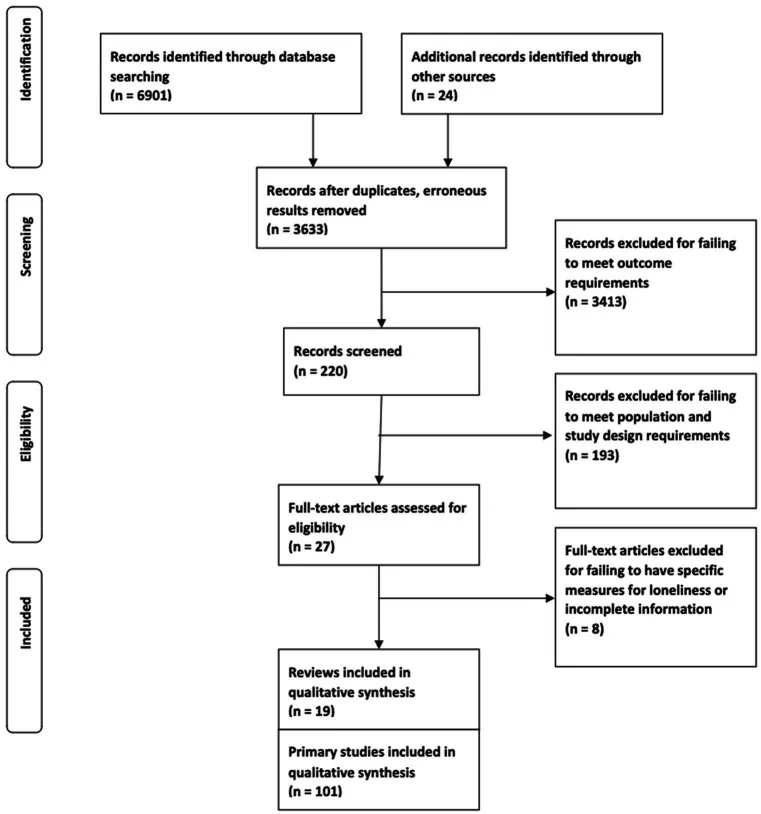
Figure 1 PRISMA flowchart of screening and selection.
3.1 Characteristics
The characteristics of the 19 reviews are shown in Table 1. The median year of publication is 2016, with only one review published prior to 2010. Of the 19, two systematic reviews provided meta-analyses (67, 68), and one was the aforementioned review of systematic reviews of ICT of interventions (47). Eight reviews (42%) were general in nature (30, 40, 41, 69–73), while seven (37%) focused on technological interventions (11, 47, 68, 74–77), and four (21%) focused on physical or mental health promotion activities (8, 67, 78, 79).
Table 1 Review summary.
| Author and Ref. | Focus of review | Number of articles by focus | Age of study participants | Gender of participants | Intervention setting | n | Measure of loneliness | % of effective loneliness interventions |
|---|---|---|---|---|---|---|---|---|
| Baker et al., 2018 ( 11 ) | Systematic review of assistive technology interventions, 2000–2016 | 36 articles testing interventions using assistive technologies; 2 met inclusion criteria. | Partially disclosed; older persons | Undisclosed | Undisclosed | 8–388 | Undisclosed | 50% |
| Bemelmans et al. 2012 ( 55 ) | Systematic review of interventions using socially assistive robots, Earliest - 2009 | 17 articles testing interventions using socially assistive robots 2 met inclusion criteria. | Partially disclosed; older persons | Partially disclosed; mostly female | Residential care facilities; international | 5–26 | UCLA LS; AOKLS | 100% |
| Bermeja et al., 2018 ( 56 ) | Systematic review, 2000–2016 | 11 articles testing different interventions (animal-assisted, videoconferencing, horticulture workshops, reminiscence therapy, humor therapy, cognitive interventions) to reduce loneliness 11 met inclusion criteria. | 60–98 | Partially disclosed; mostly male | Residential care facilities; international | 10–396 | Philadelphia Vital Satisfaction Scale, UCLA LS, SESLA-Spanish, Emotional–Social Loneliness Inventory, ESTE Loneliness Scale, dJG | 91% |
| Cattan et al., 2005 ( 8 ) | Systematic review of health promotion interventions, 1970–2002 | 30 articles testing health promotion interventions 8 met inclusion criteria. | Partially disclosed; mean age 65+ | Partially disclosed; mixed | Residential care facilities, community, private homes; international | 23–1,555 | UCLA LS, dJG, 9 proprietary scales | 50% |
| Chen et al., 2016 ( 57 ) | Systematic review of Information communication technology interventions 2002–2015 | 25 articles testing information communication technology interventions 18 met inclusion criteria. | Partially disclosed; mean age 60+, 55–93 | Partially disclosed; mixed | Residential care facilities, community; international | 8–5,203 | dJG, proprietary scales, UCLA LS, Hughes Loneliness Scale, SELSA | 89% |
| Chipps et al., 2017 ( 47 ) | Systematic review of systematic reviews testing information communication technology interventions, 2000–2017 | 12 and 22 studies testing information communication technology interventions 20 met inclusion criteria. | Partially disclosed; older persons, 55+ | Mixed | Residential care facilities, community; international | 3–236 | UCLA LS, dJG | 60% |
| Cohen-Mansfield et al., 2015 ( 17 ) | Systematic review, 1996–2011 | 34 articles testing different interventions (shared activities, educational events, technology-based aids) to reduce loneliness 29 met inclusion criteria. | 50+, mean age 60+ | Partially disclosed; mostly female | Residential care facilities, community, private homes; international | 9–708 | UCLA LS; PGCMS; dJG; proprietary 2-item instrument; proprietary 1-item self-report | 59% |
| Dickens et al., 2011 ( 18 ) | Systematic review of group and one-on-one service provision interventions, Earliest – 2009 | 32 articles testing group and one-to-one, service provision interventions 16 met inclusion criteria. | Undisclosed; older persons | Undisclosed | Residential care facilities, community; international | 23–741 | UCLA LS, dJG, modified UCLA LS | 31% |
| Elias et al., 2015 ( 58 ) | Systematic review of group reminiscence therapy, 2002–2014 | 8 articles testing group reminiscence therapy 1 article targeting loneliness as an outcome | Undisclosed; older persons | 100% male | Residential care facilities; Taiwan | 92 | UCLA LS | 100% |
| Franck et al., 2016 ( 59 ) | Systematic review, 2009–2013 | 34 articles testing different interventions (reminiscence therapy, active gaming, indoor gardening, radio program) 4 met inclusion criteria. | Partially disclosed; mostly 60+, one study mean age 82 | Partially disclosed; mostly female | Residential care facilities; international, urban | 24–130 | UCLA LS; Victor | 75% |
| Gardiner et al., 2018 ( 23 ) | Systematic review, integrative review, 2003–2016 | 38 articles testing different interventions (social facilitation, psychological therapies, health and social care provision, leisure/skill development, befriending intervention) 31 met inclusion criteria. | Partially disclosed; 52+, mean age 60+ | Undisclosed | Residential care facilities, community, private homes; international | Partially disclosed; 4–817 | UCLA LS, dJG, proprietary interview questions, proprietary questionnaire, US Health and Retirement Study loneliness items | 71% |
| Hagan et al., 2014 ( 60 ) | Systematic review 2000–2012 | 17 articles testing different interventions (group, one-to-one mentoring, recent technology interventions) to reduce loneliness 14 met inclusion criteria. | Partially disclosed; mean age 65+ | Partially disclosed; mostly female | 47% community, 41% residential care facility, 12% day center; international | 26–1,217 | UCLA LS; dJG; proprietary survey; well-being scales | 36% |
| Kachouie et al., 2014 ( 61 ) | Systematic review of socially assistive robots Earliest – 2012 | 38 articles testing socially assistive robots 2 met inclusion criteria. | Partially disclosed; older persons, mean age 70.8 in one study | Partially disclosed; mostly female | Residential care facilities; international | 6–38 | UCLA LS, AOS Loneliness Scale | 100% |
| Li et al., 2018 ( 62 ) | Systematic review, bibliometric analysis Earliest – 2017 | 10 articles testing exercise and digital games. 3 met inclusion criteria. | Partially disclosed; 55+, mean age 60+ | Undisclosed | Day centers, community; international | 35–113 | UCLA LS | 100% |
| Poscia et al., 2018 ( 63 ) | Systematic review, update 2011–2015 | 20 articles testing interventions to reduce loneliness and social isolation 12 met inclusion criteria. | Partially disclosed; mean age 60+ | Partially disclosed; mostly female | Residential care facilities, community, private homes; international | 13–858 | AOKLS, dJG, Italian version of Loneliness Scale (ILS), dJG, Loneliness Literacy Scale, UCLA LS, | 58% |
| Pu et al., 2018 ( 64 ) | Systematic review, meta-analysis of socially assistive robots Earliest – 2017 | 11 articles testing socially assistive robots 2 met inclusion criteria. | Partially disclosed; 55–100 | Partially disclosed; mostly female | Residential care facility, hospital; international | 38–40 | UCLA LS | 100% |
| Shvedko et al., 2018 ( 65 ) | Systematic review, meta-analysis of physical activity interventions Earliest – 2017 | 23 articles testing physical activity interventions 3 met inclusion criteria. | Mean ages, 77.3 (7.4), 70.8 (5.2), 78.4 (6.6) | Mostly female | Community, day centers; international | 41–708 | One-item question, UCLA LS, and dJG | 33% |
| Sims-Gould et al., 2017 ( 57 ) | Systematic review of reablement, reactivation, rehabilitation, and restorative (4R) interventions Earliest – 2016 | 15 articles testing reablement, reactivation, rehabilitation, and restorative (4R) interventions 1 article met inclusion criteria. | Mean age 82 | 75.3% female | Private homes | 88 | dJG | 100% |
| Snowden et al., 2014 ( 66 ) | Systematic review of social support, strength and resistance training Earliest – 2012 | 148 articles testing social support, strength and resistance training 2 met inclusion criteria. | Undisclosed; older persons | Undisclosed | Undisclosed | 32–313 | Undisclosed | 0% |
Ref., Reference; AOKLS, Ando Osada and Kodama Loneliness Scale; dJG, De Jong Gierveld Loneliness Scale; PGCMS, Philadelphia Geriatric Center Morale Scale, Lonely Dissatisfaction Subscale; SELSA, Social and Emotional Loneliness Scale for Adults; UCLA LS, University of California Los Angeles Loneliness Scale; Victor, Victor single-item scale.
Only three of the reviews limited their study to articles expressly testing intervention impact on loneliness (17, 56, 60), while the other 16 reviews included a subset of articles testing an intervention’s impact on loneliness. For example, Elias et al. reviewed eight articles testing the impact of group reminiscence therapy on alleviating depression, anxiety, and loneliness, with only one article targeting loneliness as an outcome (58).
Characteristics of the 101 primary studies (including only one of the eight in the Elias et al. review) are shown in Table 2. About half (52) of the 101 primary studies were published after 2010. While 69 (68%) of the articles were included in only one of the 19 review articles, 42 were included in two or more of the review articles. Overall, studies sampled populations from 21 nations (Figure 2); including 35 in Europe and the United Kingdom, 34 in the United States, 14 in Asia, 11 in Australia/New Zealand, five in Middle Eastern countries, and three in Canada.
TABLE 2 Intervention summary.
| Review reference | Study reference | Quality | Intervention activities | Effect | Intervention objective or aim per Masi (46) | ||||
|---|---|---|---|---|---|---|---|---|---|
| Improving social skills | Enhancing social support | Increasing social opportunities | Changing maladaptive soc. cognition | ||||||
| Multi-category program | ( 40 ) | ( 59 ) | M-H | Multifaceted activity intervention | ● | √ | √ | √ | √ |
| ( 30 , 40 , 41 , 67 ) | ( 80 ) | M | Multifaceted health intervention | ○ | √ | √ | |||
| ( 41 ) | ( 81 ) | M | Wellness education group | ● | √ | √ | √ | √ | |
| ( 79 ) | ( 82 ) | H | Dutch Geriatric Intervention Program | ● | √ | √ | √ | ||
| ( 30 , 70 ) | ( 83 ) | L-M | CareTV video network support | ● | √ | √ | |||
| ( 8 ) | ( 84 ) | H | Social activation and support programs | ● | √ | √ | √ | √ | |
| Psychological therapy | ( 40 ) | ( 85 ) | L-M | Telephone support group | ● | √ | √ | ||
| ( 8 , 40 ) | ( 86 ) | L-M | Support group, peer leadership | ● | √ | √ | √ | ||
| ( 30 , 40 , 41 , 72 ) | ( 87 ) | M-H | Psychosocial group intervention | ○ | √ | √ | √ | √ | |
| ( 30 , 40 , 69 ) | ( 60 ) | M | Humor therapy | ● | √ | √ | √ | √ | |
| ( 70 ) | ( 88 ) | L | Reminiscence therapy | ● | √ | √ | √ | √ | |
| ( 70 ) | ( 89 ) | L | Psychoeducation, social activation | ○ | √ | √ | √ | √ | |
| ( 40 , 41 , 72 ) | ( 66 ) | L-M | Self-management skills course | ● | √ | √ | √ | √ | |
| ( 41 ) | ( 90 ) | M | Coping education | ○ | √ | √ | √ | ||
| ( 8 ) | ( 91 ) | H | Social skills education | ● | √ | √ | |||
| ( 69 , 71 , 78 ) | ( 92 ) | M | Reminiscence group | ● | √ | √ | √ | √ | |
| ( 30 ) | ( 93 ) | M | Reminiscence therapy | ● | √ | √ | √ | √ | |
| ( 40 ) | ( 94 ) | L | Social networks and health management | ● | √ | √ | √ | ||
| ( 40 ) | ( 95 ) | L-M | Psychosocial skills with caregivers | ● | √ | √ | √ | ||
| ( 30 , 72 ) | ( 96 ) | M | Mindfulness stress reduction | ● | √ | √ | √ | ||
| ( 41 ) | ( 97 ) | L | Telephone support group | ● | √ | √ | √ | ||
| ( 8 ) | ( 98 ) | H | Counseling and self-help training | ● | √ | √ | √ | √ | |
| ( 30 , 40 , 41 , 69 , 72 ) | ( 99 ) | M | Cognitive therapy | ○ | √ | √ | √ | ||
| Animal-assisted Intervention | ( 69 ) | ( 100 ) | L | Dog companionship | ● | √ | √ | ||
| ( 47 , 75 , 77 ) | ( 63 ) | M | Robotic pet (AIBO) companionship | ● | √ | √ | |||
| ( 68 , 70 ) | ( 101 ) | L-M | Robot (PARO) companionship | ● | √ | √ | √ | ||
| ( 30 , 47 , 68 , 72 , 75 , 77 ) | ( 102 ) | M | Pet and robotic pet (AIBO) companionship | ● | √ | √ | |||
| ( 40 , 69 ) | ( 103 ) | M | Animal-assisted therapy | ● | √ | √ | |||
| ( 30 ) | ( 65 ) | M | Animal-assisted therapy, socialization | ● | √ | √ | √ | ||
| ( 30 ) | ( 64 ) | L-M | Pet ownership | ● | √ | √ | |||
| ( 76 ) | ( 62 ) | L | Virtual pet (Gerijoy) | ● | √ | √ | |||
| Health Promotio n | ( 8 , 40 ) | ( 104 ) | M-H | Hearing aids | ○ | √ | √ | ||
| ( 8 ) | ( 105 ) | H | Health, social home visits | ○ | √ | √ | |||
| ( 69 ) | ( 106 ) | M | Exercise program | ● | √ | √ | |||
| ( 67 ) | ( 55 ) | M | Tai chi qigong | ● | √ | √ | √ | ||
| ( 30 , 70 ) | ( 57 ) | M | Health promotion (Pender) | ● | √ | √ | √ | √ | |
| ( 40 ) | ( 107 ) | M-L | Occupational therapy, assistive devices | ○ | √ | √ | |||
| ( 8 ) | ( 58 ) | H | Exercise program, health education | ● | √ | ||||
| ( 8 ) | ( 108 ) | H | Educational home visits | ○ | √ | √ | |||
| ( 76 ) | ( 109 ) | L-M | Telehealth system | ● | √ | √ | √ | ||
| ( 8 ) | ( 110 ) | M-H | Health, social home visits | ○ | √ | ||||
| ( 67 ) | ( 111 ) | M | Walking program | ○ | √ | √ | |||
| ( 40 , 47 ) | ( 112 ) | M | AI exercise advisor | ○ | √ | √ | |||
| ( 73 ) | ( 113 ) | M | Strength training video | ○ | √ | ||||
| ( 40 ) | ( 114 ) | M | Exercise program | ● | √ | √ | |||
| Social facilitation | ( 30 , 70 ) | ( 115 ) | L | Community services integration, psychoeducation | ○ | √ | √ | √ | |
| ( 70 ) | ( 116 ) | L | Singing sessions | ○ | √ | ||||
| ( 72 ) | ( 117 ) | M | Day center services | ○ | √ | √ | |||
| ( 30 , 70 ) | ( 56 ) | L | Community networking, psychoeducation | ● | √ | √ | √ | √ | |
| ( 30 , 40 , 41 , 72 ) | ( 118 ) | M | Friendship enrichment training | ○ | √ | √ | √ | ||
| ( 41 ) | ( 119 ) | L | Educational friendship program [Study 1] | ● | √ | √ | √ | ||
| ( 30 , 40 ) | ( 119 ) | M | Educational friendship program [Study 2] | ● | √ | √ | √ | ||
| ( 30 , 76 ) | ( 120 ) | L-M | Telephone befriending program | ● | √ | √ | |||
| ( 72 ) | ( 121 ) | M | Community mentoring | ○ | √ | √ | √ | ||
| ( 30 ) | ( 122 ) | M | Friendship programs | ● | √ | √ | √ | ||
| ( 30 ) | ( 123 ) | M | Telephone befriending program | ● | √ | √ | |||
| ( 30 , 41 ) | ( 124 ) | L | Pets, plans, children exposure | ○ | √ | √ | |||
| ( 30 , 72 ) | ( 125 ) | M | Companionship program | ○ | √ | √ | |||
| ( 41 , 73 ) | ( 126 ) | L-M | Telephone social support | ○ | √ | √ | |||
| ( 47 ) | ( 127 ) | M | AI conversational agent | ○ | √ | √ | |||
| ( 40 , 41 ) | ( 128 ) | L | Foster grandparent program | ○ | √ | √ | √ | ||
| ( 72 ) | ( 129 ) | M | Multiethnic community engagement | ○ | √ | √ | √ | ||
| Leisure or skill development | ( 30 ) | ( 130 ) | L-M | Social networking, internet use | ● | √ | √ | ||
| ( 30 , 70 ) | ( 115 ) | L | Art, fitness leisure program | ○ | √ | √ | |||
| ( 30 , 70 ) | ( 115 ) | L | Cultural activities | ● | √ | √ | √ | ||
| ( 70 ) | ( 131 ) | L | Lifestyle engagement | ○ | √ | √ | √ | ||
| ( 30 ) | ( 132 ) | M | Leisure activities | ● | √ | √ | |||
| ( 76 ) | ( 133 ) | L | Internet use | ● | √ | √ | |||
| ( 40 , 71 ) | ( 134 ) | M | Radio program | ○ | √ | ||||
| ( 76 ) | ( 135 ) | L | ICT, mobile phone use | ● | √ | √ | |||
| ( 30 , 47 , 76 ) | ( 136 ) | L-M | ICT training/use | ● | √ | √ | |||
| ( 76 ) | ( 137 ) | L | ICT training/use | ● | √ | √ | |||
| ( 40 , 47 , 76 ) | ( 138 ) | M | Community ICT training | ● | √ | √ | |||
| ( 47 , 76 ) | ( 139 ) | L-M | Social networking | ○ | √ | √ | √ | ||
| ( 30 , 40 , 41 , 47 , 76 ) | ( 140 ) | L-M | ICT training/use | ● | √ | √ | |||
| ( 40 , 41 , 47 ) | ( 141 ) | M-H | ICT training/use | ○ | √ | √ | |||
| ( 30 , 47 ) | ( 142 ) | L-M | ICT training/use | ○ | √ | √ | |||
| ( 70 ) | ( 143 ) | L | ICT training/use | ● | √ | ||||
| ( 74 ) | ( 144 ) | M-H | Video gaming (Wii) | ● | √ | √ | |||
| ( 74 ) | ( 145 ) | M | Video gaming (Kinect) | ● | √ | √ | |||
| ( 11 ) | ( 146 ) | M | Social networking | ○ | √ | √ | √ | ||
| ( 76 ) | ( 147 ) | L | Videoconferencing | ● | √ | √ | |||
| ( 47 ) | ( 148 ) | L-M | ICT training/use | ● | √ | √ | |||
| ( 69 ) | ( 149 ) | L | Horticulture | ● | √ | ||||
| ( 30 , 40 , 69 , 71 ) | ( 150 ) | M | Horticulture | ● | √ | ||||
| ( 30 , 40 , 47 , 69 , 76 ) | ( 151 ) | M | Videoconferencing | ● | √ | √ | |||
| ( 40 , 47 , 69 , 72 , 76 ) | ( 152 ) | M | Videoconferencing | ● | √ | √ | |||
| ( 72 ) | ( 153 ) | M | Video gaming (Wii) | ○ | √ | √ | |||
| ( 47 ) | ( 154 ) | L-M | Social networking | ○ | √ | √ | √ | ||
| ( 30 , 69 ) | ( 155 ) | M | Horticulture | ● | √ | ||||
| ( 76 ) | ( 156 ) | M | ICT training/use | ● | √ | √ | |||
| ( 40 ) | ( 157 ) | M | Choral participation | ● | √ | ||||
| ( 11 , 47 , 76 ) | ( 158 ) | M | ICT training/use | ● | √ | √ | |||
| ( 30 , 47 , 76 ) | ( 159 ) | L-M | ICT training/use | ● | √ | √ | |||
| ( 47 ) | ( 160 ) | L-M | ICT training/use | ● | √ | ||||
| ( 47 , 71 , 72 , 74 , 76 ) | ( 161 ) | H | Video gaming (Wii), TV use | ● | √ | √ | |||
| ( 72 ) | ( 162 ) | M | Videoconferencing | ○ | √ | √ | |||
| ( 40 ) | ( 163 ) | L | Electronic pen pals | ● | √ | √ | √ | ||
| ( 40 , 41 , 47 , 76 ) | ( 164 ) | M-H | ICT training/use | ○ | √ | √ | |||
| ( 40 , 41 ) | ( 165 ) | L | ICT training/use | ○ | √ | √ | |||
| ( 47 ) | ( 166 ) | M-H | ICT training/use | ○ | √ | √ | √ |
●, Effective or Partially Effective; ○, Not Effective or Inconclusive; √, Present; Quality L, Low, M, Moderate, H, High; ICT, Internet & Information Communication Technology.
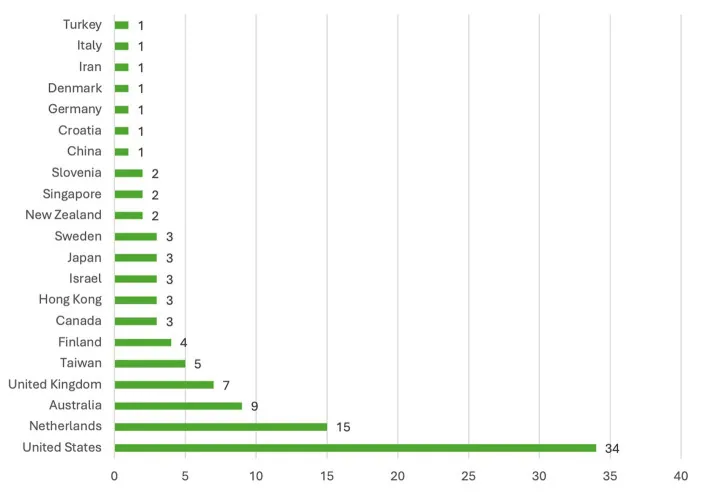
Figure 2 Geographic distribution of primary studies.
Studies tested interventions using assorted designs, including controlled trial, clustered controlled trial, quasi-experimental design, pre-experimental (before-and-after) design, cross-sectional, and mixed-method types. Samples ranged from 3 to 5,203 subjects. Interventions occurred in residential care facilities, community day centers, and private homes. While some subjects were as young as 52 years old, the mean age of subjects in each study was above 60 years. Only some studies disclosed full gender characteristics. Six different measures were used across the 101 studies to measure loneliness.
Intervention types per Gardiner et al. (first column), activities (fifth column), and objectives per Masi et al. (last four columns) also are shown in Table 2. In terms of intervention objectives, only 10 of the 101 studies had a single objective, while 50 had two, 28 had 3, and 13 aimed to target all 4 areas. Thus, 91 of the 101 studies had an objective to enhance social support, 91 aimed to increase social opportunities, 46 strove to improve social skills, and 18 were designed to change maladaptive social cognition.
In terms of intervention type, 39 of the 101 studies tested interventions offering leisure or skill-building activities, 17 evaluated psychological therapies, 17 tested social facilitation interventions, 14 evaluated health promotion interventions, eight (8%) gaged animal-assisted interventions, and six (6%) assessed multi-category programs. While 88% of the psychological therapies and 67% of the multi-category interventions had three or more intervention objectives (e.g., to enhance social support, improve social skills and change maladaptive behavior), health promotion programs and leisure and skill-building activities tended to have fewer intervention objectives.
3.2 Effectiveness
Table 1 recaps included systematic reviews. Review authors gaged interventions to be mostly of mixed effectiveness when aiming to reduce loneliness in older persons. Most reviews found some support for both group and individual-targeted interventions; however, at least one general and one health intervention review found group interventions to be more effective (8, 41) and at least one general review found the converse (70).
Six (75%) of eight general reviews obtained mixed results, while one (13%) concluded interventions to be mostly effective (30), and one (13%) avoided a conclusion due to insufficient evidence (73). Regarding reviews appraising technological interventions, five (71%) of seven reviews summarized this type to be mostly effective, while one (14%) review found mixed efficacy for some assistive technology interventions such as social networking services (11), and one (14%) review could not provide a conclusive evaluation due to the limitations of underlying studies (47). Reviews focused on physical and mental health promotions stated ambiguous results of their effectiveness: one (25%) of four reviews provided evidence that group reminiscence therapy approaches are effective (78), while two (50%) reviews found no overarching proof of programmatic efficacy (67, 79). One (25%) review by Cattan et al. relayed assorted results of interventions combatting loneliness (8).
Regarding intervention objective, researchers found 14 (78%) of 18 interventions focused on changing maladaptive social cognition, 31 (67%) of 46 on improving social skills, 59 (65%) of 91 on enhancing social support, and 57 (63%) of 91 on increasing social opportunities to be effective or partially effective. Five (50%) of 10 of uni-objective intervention, 32 (64%) of 50 bi-objective interventions, 16 (57%) of 28 of tri-objective interventions, and 11 (85%) of 13 complete, quad-objective studies were effective or partially effective.
3.3 Quality
Table 3 details estimates of study quality of each systematic review. The authors appraised 8 (42%) of 19 reviews to be of high quality (8, 41, 67, 68, 71, 76, 78, 79), with another eight (42%) being of moderate-high quality. These reviews displayed a minimal risk of bias. Two reviews (11%) were assessed as of moderate quality, and one (5%) was deemed low-moderate quality. Every health promotion review was high-quality. In contrast, only two (29%) of seven reviews appraising technology-based interventions and two (25%) of eight general intervention reviews were of high quality.
Table 3 Review quality per AMSTAR 2 guidelines.
| Author | Ref. | PICOS Criteria | Protocol Established | Study Justification | Search Strategy | Duplicate Selection | Duplicate Extraction | Exclusion List | Study Detail | Study Biases | Study Funding | MA: Effects | MA: Biases | Biases Discussion | Heterogeneity | MA: Publication Bias | Conflict of Interests | Quality |
|---|---|---|---|---|---|---|---|---|---|---|---|---|---|---|---|---|---|---|
| Baker et al. | ( 11 ) | ⬤ | ⬤ | ⬤ | ◐ | ⬤ | ⬤ | ⬤ | ◐ | ⬤ | ⬤ | ⬤ | ⬤ | ⬤ | Moderate–High | |||
| Bemelmans et al. | ( 75 ) | ⬤ | ⬤ | ⬤ | ◐ | ⬤ | ⬤ | ⬤ | ⬤ | ⬤ | ⬤ | ⬤ | ⬤ | ⬤ | Moderate | |||
| Bermeja et al. | ( 69 ) | ⬤ | ⬤ | ⬤ | ◐ | ⬤ | ⬤ | ⬤ | ⬤ | ⬤ | ⬤ | ⬤ | ⬤ | ⬤ | Moderate–High | |||
| Cattan et al. | ( 8 ) | ⬤ | ⬤ | ⬤ | ◐ | ⬤ | ⬤ | ⬤ | ⬤ | ⬤ | ⬤ | ⬤ | ⬤ | ⬤ | High | |||
| Chen et al. | ( 76 ) | ⬤ | ⬤ | ⬤ | ◐ | ⬤ | ⬤ | ⬤ | ⬤ | ⬤ | ⬤ | ⬤ | ⬤ | ⬤ | High | |||
| Chipps et al. | ( 47 ) | ⬤ | ⬤ | ⬤ | ◐ | ⬤ | ⬤ | ⬤ | ⬤ | ⬤ | ⬤ | ⬤ | ⬤ | ⬤ | Moderate–High | |||
| Cohen-Mansfield et al. | ( 40 ) | ⬤ | ⬤ | ⬤ | ◐ | ⬤ | ⬤ | ⬤ | ⬤ | ◐ | ⬤ | ⬤ | ⬤ | ⬤ | Moderate–High | |||
| Dickens et al. | ( 41 ) | ⬤ | ⬤ | ⬤ | ◐ | ⬤ | ⬤ | ⬤ | ◐ | ⬤ | ⬤ | ⬤ | ⬤ | ⬤ | High | |||
| Elias et al. | ( 78 ) | ⬤ | ⬤ | ⬤ | ◐ | ⬤ | ⬤ | ⬤ | ◐ | ⬤ | ⬤ | ⬤ | ⬤ | ⬤ | High | |||
| Franck et al. | ( 71 ) | ⬤ | ⬤ | ⬤ | ◐ | ⬤ | ⬤ | ⬤ | ⬤ | ⬤ | ⬤ | ⬤ | ⬤ | ⬤ | High | |||
| Gardiner et al. | ( 30 ) | ⬤ | ⬤ | ⬤ | ◐ | ⬤ | ⬤ | ⬤ | ◐ | ⬤ | ⬤ | ⬤ | ⬤ | ⬤ | Moderate–High | |||
| Hagan et al. | ( 72 ) | ⬤ | ⬤ | ⬤ | ◐ | ⬤ | ⬤ | ⬤ | ⬤ | ⬤ | ⬤ | ⬤ | ⬤ | ⬤ | Low–Moderate | |||
| Kachouie et al. | ( 77 ) | ⬤ | ⬤ | ⬤ | ◐ | ⬤ | ⬤ | ⬤ | ⬤ | ⬤ | ⬤ | ⬤ | ⬤ | ⬤ | Moderate–High | |||
| Li et al. | ( 74 ) | ⬤ | ⬤ | ⬤ | ◐ | ⬤ | ⬤ | ⬤ | ◐ | ⬤ | ⬤ | ⬤ | ⬤ | ⬤ | Moderate | |||
| Poscia et al. | ( 70 ) | ⬤ | ⬤ | ⬤ | ◐ | ⬤ | ⬤ | ⬤ | ⬤ | ⬤ | ⬤ | ⬤ | ⬤ | ⬤ | Moderate–High | |||
| Pu et al. | ( 68 ) | ⬤ | ⬤ | ⬤ | ⬤ | ⬤ | ⬤ | ⬤ | ⬤ | ⬤ | ⬤ | ⬤ | ⬤ | ⬤ | ⬤ | ⬤ | ⬤ | High |
| Shvedko et al. | ( 67 ) | ⬤ | ⬤ | ⬤ | ⬤ | ⬤ | ⬤ | ⬤ | ⬤ | ⬤ | ⬤ | ⬤ | ⬤ | ⬤ | ⬤ | ⬤ | ⬤ | High |
| Sims-Gould et al. | ( 79 ) | ⬤ | ⬤ | ⬤ | ⬤ | ⬤ | ⬤ | ⬤ | ⬤ | ⬤ | ⬤ | ⬤ | ⬤ | ⬤ | High | |||
| Snowden et al. | ( 73 ) | ⬤ | ⬤ | ⬤ | ◐ | ⬤ | ⬤ | ⬤ | ⬤ | ⬤ | ⬤ | ⬤ | ⬤ | ⬤ | Moderate–High |
ID, Reference; MA, Meta-analysis; ⬤, Yes; ◐, Partial Yes; ⬤, N.
In accordance with the AMSTAR 2 guidelines (53), the authors accounted for the following three criteria when developing a summary of review quality. No reviews fully disclosed information regarding primary study funding per Item 10. Most reviews failed to provide a comprehensive list of excluded studies per Item 7. Only 24 studies (24%) employed randomized controlled trial (RCT) designs. Only two studies provided a meta-analysis (67, 68); hence, these were the only ones subject to Items 11, 12, and 15.
Table 2 also lists quality assessment, including grading criteria, for each of the 101 studies within the 19 reviews. The authors found only eight (8%) of the 101 studies to be of high quality (58, 82, 84, 91, 98, 105, 108, 161). Eight (8%) were between medium and high quality, 42 (42%) were of medium quality, 20 (20%) between low and medium quality, and 23 (23%) were of low quality. High-quality investigations were rare across intervention objectives, e.g., only two (4%) of 46 intervention that aimed to improve social skills, 7 (8%) of 91 interventions that aimed to enhance social support, 8 (9%) of the 91 that aimed to increase social opportunities, and 3 (17%) of 18 that aimed to change maladaptive social cognition to be of high quality.
Additionally, Table 2 lists the efficacy of each intervention, as noted by the reviews and studies themselves. Of the 101 underlying studies, primary investigators concluded 64 (63%) to be effective or partially effective. However, this varied by study designs, e.g., only 12 of the 24 programs tested through RCT were found to be effective. Irrespective of study methodology, all eight (100%) animal-assisted interventions, five (83%) of six multi-category programs, 13 (76%) of 17 psychological therapies, 26 (67%) of 39 leisure or skill-building activities, 6 (43%) of 14 health promotions, and 6 (35%) of 17 social facilitations were effective or partially effective.
4 Discussion
To the authors’ knowledge, this is the first systematic review of reviews of interventions to combat loneliness in older people. Nineteen systematic reviews amassed the findings of 101 unique studies of interventions. While 42% of the reviews were of the highest quality and contained minimal risk of bias, only 8% of primary studies were of the highest quality according to reviewers.
Regarding usefulness, the authors deducted that 63% of all interventions were effective or possibly effective at combatting loneliness. Multi-category interventions were above-par, along with programs featuring reminiscence therapies (88, 92, 93) and Mindfulness-Based Stress Reduction (96). All animal-assisted approaches were efficacious in combatting loneliness, including living (64, 65, 100, 102, 103), robotic (63, 101, 102), and virtual pet companionship (62). In addition, key findings support interventions with multiple objectives, as 85% of interventions with four objectives (improving social skills, enhancing social support, increasing social opportunities, and changing maladaptive social cognition) alleviated loneliness. The most successful single-objective interventions were those targeting maladaptive social cognition (55–57, 59, 60, 66, 81, 82, 84, 88, 92, 93, 96, 98), presumably to help lonely older adults develop more stable interpersonal relationships and perpetuate social opportunities. This finding is consistent with the hallmark meta-analysis by Masi et al. (35) on subjects of any age.
4.1 Limitations
Various considerations tempered the conclusions of this research. First, the authors limited the search to the pre-COVID years. Second, the included systematic reviews had differing foci and scopes, and this heterogeneity hindered comparisons across reviews. Many systematic reviews included were of moderate-high and high quality, but some displayed an elevated risk of bias (72, 75). Likewise, many of the studies testing a single intervention exhibited moderate-to-high risk of bias as a product of poor study design.
This systematic review of reviews compiled studies that utilized a variety of loneliness-related outcome measures. While some (i.e., UCLA Loneliness Scale, De Jong Gierveld Loneliness Scale) were well-tested with older people and psychometrically sound (61, 167–169), others were single-item measures or instruments of disputed reliability and validity (8). Also, this review provided a dichotomous summary statistic of effectiveness in its analyses, which reduced complex findings into manageable figures for easy comparison. Binning of interventions by intervention objective is a highly subjective task. Scholars should exercise caution when reducing constructs as complex as loneliness and social isolation into crude metrics, especially together, at the risk of misinterpreting primary study authors’ conclusions (29, 170).
4.2 Recommendations
Three findings stand out. First, allied health professions should develop broad interventions. A multi-objective approach aptly targets the multi-dimensional issue of loneliness (69, 76, 171, 172). Some participants of such interventions may find certain components useful, while other participants would find distinct parts worthwhile. Increasing the number of strategies can target the widest range of participants. This explains the above-average effectiveness ratings of integrated approaches to combating loneliness. The Dutch Geriatric Intervention Program (82) and Finnish psychosocial group rehabilitation intervention (59) are illustrative of this approach. Conclusions here are consistent with the best practices of robust health promotion initiatives targeting a variety of outcomes (173, 174).
Second, interventions should become more purpose-driven (67, 71) to stem the losses of identity many lonely older adults feel (78, 175). Shvedko et al. remarked that the theory of active engagement explains loneliness reduction through a productive lifestyle that generates a sense of purpose (67, 176). Effective programs provide more than aimless social opportunities (30, 132), and more than friendly health and social care visitations, as Cattan et al. found (8). Prime examples of purpose-driven approaches are horticulture-learning experiences (60, 149, 155) and fitness-improving “exergames” (144, 145, 161). The authors also observed specific, purposeful technology trainings to be effective in reducing loneliness, including programs utilizing mobile phones (135), electronic pen pals (163), and videoconferencing software (147, 151, 152).
Third, specific types of interventions proved to be more promising than others. Psychotherapeutic interventions utilized the highly effective strategy of modifying maladaptive social cognition—specifically engaging the theoretical mechanism of action noted by Cacioppo and others (5, 15). Animal-assisted interventions were helpful in providing purpose, delivering skills training, and increasing social opportunities for older people (62–65, 100–103), a finding that Banks et al. consistently espoused (65, 102, 103). Finally, technological interventions exhibited potential even as multiple reviews found inconclusive evidence (11, 47, 149). Chen et al. wrote “the older adults employment of [ICT] reduces their social isolation through the following mechanisms: connecting to the outside world, gaining social support, engaging in activities of interest, and boosting self-confidence” (76). Simple interventions, with little-to-no expert training or sharing were not effective (71), but approaches that demonstrated technology as a tool to encourage mobility, communication, or education exhibited high value (68, 74, 177).
Further studies of interventions to combat loneliness are needed. The authors request more individual or cluster RCTs to ensure a high-quality body of primary research not limited by risks of bias. Research scientists should heed the differences between social isolation and loneliness, lest phenomenological conclusions become confounded. Lastly, the authors concur with others who note plausible cultural moderators of intervention efficacy (8, 30, 40, 74, 75, 77) and encourage further examination of culture in perceptions of loneliness and ways to combat it.
5 Conclusion
The COVID-19 pandemic and associated quarantine orders further exacerbated the loneliness faced by many older adults (178). As health policies combatting loneliness quickly develop—like the national effort in the United Kingdom (179–181) or the health service company-led strategies in the United States (182–185)—researchers must begin to decipher years of equivocal findings and offer actionable recommendations. This report’s value lies in being the first systematic overview of the evidence base on loneliness interventions targeting older people in an attempt to help answer the question “What does an effective intervention look like?” Our findings suggest that interventions utilizing multiple strategies while incorporating purposeful activities are vital in disrupting loneliness and its deleterious effects in older adults.
Data availability statement
The raw data supporting the conclusions of this article will be made available by the authors, without undue reservation.
Author contributions
UP: Conceptualization, Data curation, Formal analysis, Investigation, Methodology, Software, Visualization, Writing – original draft, Writing – review & editing. KB: Conceptualization, Investigation, Methodology, Project administration, Resources, Supervision, Validation, Writing – review & editing.
Acknowledgments
The authors would like to acknowledge the support provided by graduate faculty in the Office of Public Health Studies and the librarians at the John A. Burns School of Medicine, University of Hawaiʻi at Mānoa.
Conflict of interest
The authors declare that the research was conducted in the absence of any commercial or financial relationships that could be construed as a potential conflict of interest.
Publisher’s note
All claims expressed in this article are solely those of the authors and do not necessarily represent those of their affiliated organizations, or those of the publisher, the editors and the reviewers. Any product that may be evaluated in this article, or claim that may be made by its manufacturer, is not guaranteed or endorsed by the publisher.
Supplementary material
The Supplementary material for this article can be found online at: https://www.frontiersin.org/articles/10.3389/fpubh.2024.1427605/full#supplementary-material
References
- [1] Victor CR Scambler SJ Bowling A Bond J. The prevalence of, and risk factors for, loneliness in later life: a survey of older people in Great Britain. Ageing Soc. (2005) 25:357–75. doi: 10.1017/S0144686X04003332
- [2] AARP FoundationElder K Retrum J. Isolation framework. (2012). Washington, DC US: AARP Foundation.
- [3] Dykstra PA . Older adult loneliness: myths and realities. Eur J Ageing. (2009) 6:91–100. doi: 10.1007/s10433-009-0110-3, PMID: 19517025 PMC2693783
- [4] Nicolaisen M Thorsen K. Loneliness among men and women – a five-year follow-up study. Aging Ment Health. (2014) 18:194–206. doi: 10.1080/13607863.2013.821457, PMID: 23895066
- [5] Ong AD Uchino BN Wethington E. Loneliness and health in older adults: a Mini-review and synthesis. Gerontology. (2016) 62:443–9. doi: 10.1159/000441651, PMID: 26539997 PMC6162046
- [6] Dias M Silva C Dias R Oliveira H. Intervention in the loneliness of the elderly—what strategies, Challenges and Rewards? J Health Sci. (2015) 3:71–80. doi: 10.17265/2328-7136/2015.02.003
- [7] Luo Y Waite LJ. Loneliness and mortality among older adults in China. J Gerontol B Psychol Sci Soc Sci. (2014) 69:633–45. doi: 10.1093/geronb/gbu007, PMID: 24550354 PMC4049147
- [8] Cattan M White M Bond J Learmouth A. Preventing social isolation and loneliness among older people: a systematic review of health promotion interventions. Ageing Soc. (2005) 25:41–67. doi: 10.1017/S0144686X0400259427736564
- [9] Stessman J Rottenberg Y Shimshilashvili I Ein-Mor E Jacobs JM. Loneliness, health, and longevity. J Gerontol A Biol Sci Med Sci. (2014) 69:744–50. doi: 10.1093/gerona/glt14724077598
- [10] Grenade L Boldy D. Social isolation and loneliness among older people: issues and future challenges in community and residential settings. Aust Health Rev. (2008) 32:468–78. doi: 10.1071/AH080468, PMID: 18666874
- [11] Baker S Warburton J Waycott J Batchelor F Hoang T Dow B . Combatting social isolation and increasing social participation of older adults through the use of technology: a systematic review of existing evidence. Australas J Ageing. (2018) 37:184–93. doi: 10.1111/ajag.12572, PMID: 30022583
- [12] Cattan M Newell C Bond J White M. Alleviating social isolation and loneliness among older people. Int J Ment Health Promot. (2003) 5:20–30. doi: 10.1080/14623730.2003.9721909
- [13] Valtorta N Hanratty B. Loneliness, isolation and the health of older adults: do we need a new research agenda? J R Soc Med. (2012) 105:518–22. doi: 10.1258/jrsm.2012.120128, PMID: 23288086 PMC3536512
- [14] Pinquart M Sorensen S. Influences on loneliness in older adults: a Meta-analysis. Basic Appl Soc Psychol. (2001) 23:245–66. doi: 10.1207/S15324834BASP2304_2
- [15] Cacioppo S Grippo AJ London S Goossens L Cacioppo JT. Loneliness: clinical import and interventions. Perspect Psychol Sci. (2015) 10:238–49. doi: 10.1177/1745691615570616, PMID: 25866548 PMC4391342
- [16] Perissinotto CM Stijacic Cenzer I Covinsky KE. Loneliness in older persons: a predictor of functional decline and death. Arch Intern Med. (2012) 172:1078–83. doi: 10.1001/archinternmed.2012.1993, PMID: 22710744 PMC4383762
- [17] Wright-St Clair VA Neville S Forsyth V White L Napier S. Integrative review of older adult loneliness and social isolation in Aotearoa/New Zealand. Australas J Ageing. (2017) 36:114–23. doi: 10.1111/ajag.12379, PMID: 28258607 PMC5484290
- [18] Aylaz R Aktürk Ü Erci B Öztürk H Aslan H. Relationship between depression and loneliness in elderly and examination of influential factors. Arch Gerontol Geriatr. (2012) 55:548–54. doi: 10.1016/j.archger.2012.03.006, PMID: 22487148
- [19] Wenger GC Burholt V. Changes in levels of social isolation and loneliness among older people in a rural area: a twenty-year longitudinal study. Can J Aging Rev Can Vieil. (2004) 23:115–27. doi: 10.1353/cja.2004.0028, PMID: 15334812
- [20] Andersson L . Loneliness research and interventions: a review of the literature. Aging Ment Health. (1998) 2:264–74. doi: 10.1080/13607869856506
- [21] Tomaka J Thompson S Palacios R. The relation of social isolation, loneliness, and social support to disease outcomes among the elderly. J Aging Health. (2006) 18:359–84. doi: 10.1177/089826430528099316648391
- [22] Gerst-Emerson K Jayawardhana J. Loneliness as a public health issue: the impact of loneliness on health care utilization among older adults. Am J Public Health. (2015) 105:1013–9. doi: 10.2105/AJPH.2014.302427, PMID: 25790413 PMC4386514
- [23] Leah V . Feelings of loneliness and living alone as predictors of mortality in the elderly: the PAQUID study. Nurs Older People. (2017) 29:13–3. doi: 10.7748/nop.29.1.13.s1728136034
- [24] Mullins LC Elston CH. Social determinants of loneliness among older Americans. Genet Soc Gen Psychol Monogr. (1996) 122:455.8976599
- [25] Green LR Richardson DS Lago T Schatten-Jones EC. Network correlates of social and emotional loneliness in young and older adults. Personal Soc Psychol Bull. (2001) 27:281–8. doi: 10.1177/0146167201273002
- [26] Pinquart M . Loneliness in married, widowed, divorced, and never-married older adults. J Soc Pers Relat. (2003) 20:31–53. doi: 10.1177/02654075030201002
- [27] Sabir M Wethington E Breckman R Meador R Reid MC Pillemer K. A community-based participatory critique of social isolation intervention research for community-dwelling older adults. J Appl Gerontol. (2009) 28:218–34. doi: 10.1177/0733464808326004, PMID: 25165409 PMC4142440
- [28] Elkan R Kendrick D Dewey M Hewitt M Robinson J Blair M . Effectiveness of home based support for older people: systematic review and meta-analysis. BMJ. (2001) 323:719–25. doi: 10.1136/bmj.323.7315.719, PMID: 11576978 PMC56889
- [29] Coyle CE Dugan E. Social isolation, loneliness and health among older adults. J Aging Health. (2012) 24:1346–63. doi: 10.1177/089826431246027523006425
- [30] Gardiner C Geldenhuys G Gott M. Interventions to reduce social isolation and loneliness among older people: an integrative review. Health Soc Care Community. (2018) 26:147–57. doi: 10.1111/hsc.12367, PMID: 27413007
- [31] Steptoe A Shankar A Demakakos P Wardle J. Social isolation, loneliness, and all-cause mortality in older men and women. Proc Natl Acad Sci. (2013) 110:5797–801. doi: 10.1073/pnas.1219686110, PMID: 23530191 PMC3625264
- [32] Shankar A McMunn A Banks J Steptoe A. Loneliness, social isolation, and behavioral and biological health indicators in older adults. Health Psychol. (2011) 30:377–85. doi: 10.1037/a0022826, PMID: 21534675
- [33] Dugan E Kivett VR. The importance of emotional and social isolation to loneliness among very old rural adults. The Gerontologist. (1994) 34:340–6. doi: 10.1093/geront/34.3.340, PMID: 8076875
- [34] Findlay RA . Interventions to reduce social isolation amongst older people: where is the evidence? Ageing Soc. (2003) 23:647–58. doi: 10.1017/S0144686X03001296
- [35] Masi CM Chen HY Hawkley LC Cacioppo JT. A Meta-analysis of interventions to reduce loneliness. Personal Soc Psychol Rev Off J Soc Personal Soc Psychol Inc. (2011) 15, 219–66. doi: 10.1177/1088868310377394PMC386570120716644
- [36] Landeiro F Barrows P Nuttall Musson E Gray AM Leal J. Reducing social isolation and loneliness in older people: a systematic review protocol. BMJ Open. (2017) 7:e013778. doi: 10.1136/bmjopen-2016-013778, PMID: 28515187 PMC5623425
- [37] Adams KB Sanders S Auth EA. Loneliness and depression in independent living retirement communities: risk and resilience factors. Aging Ment Health. (2004) 8:475–85. doi: 10.1080/13607860410001725054, PMID: 15724829
- [38] Cotterell N Buffel T Phillipson C. Preventing social isolation in older people. Maturitas. (2018) 113:80–4. doi: 10.1016/j.maturitas.2018.04.01429903652
- [39] Weiss RS . Loneliness: The experience of emotional and social isolation. Cambridge, MA, US: The MIT Press (1973). 236 p.
- [40] Cohen-Mansfield J Perach R. Interventions for alleviating loneliness among older persons: a critical review. Am J Health Promot. (2015) 29:e109–25. doi: 10.4278/ajhp.130418-LIT-182, PMID: 24575725
- [41] Dickens AP Richards SH Greaves CJ Campbell JL. Interventions targeting social isolation in older people: a systematic review. BMC Public Health. (2011) 11:1–22. doi: 10.1186/1471-2458-11-647, PMID: 21843337 PMC3170621
- [42] Cacioppo JT Hawkley LC Crawford LE Ernst JM Burleson MH Kowalewski RB . Loneliness and health: potential mechanisms. Psychosom Med. (2002) 64:407–17. doi: 10.1097/00006842-200205000-0000512021415
- [43] Hawkley LC Burleson MH Berntson GG Cacioppo JT. Loneliness in everyday life: cardiovascular activity, psychosocial context, and health behaviors. J Pers Soc Psychol. (2003) 85:105–20. doi: 10.1037/0022-3514.85.1.105, PMID: 12872887
- [44] Miller G . Why loneliness is hazardous to your health. Science. (2011) 331:138–40. doi: 10.1126/science.331.6014.138, PMID: 21233358
- [45] Leigh-Hunt N Bagguley D Bash K Turner V Turnbull S Valtorta N . An overview of systematic reviews on the public health consequences of social isolation and loneliness. Public Health. (2017) 152:157–71. doi: 10.1016/j.puhe.2017.07.035, PMID: 28915435
- [46] Nicholson NR . A review of social isolation: an important but Underassessed condition in older adults. J Prim Prev. (2012) 33:137–52. doi: 10.1007/s10935-012-0271-2, PMID: 22766606
- [47] Chipps J Jarvis MA Ramlall S. The effectiveness of e-interventions on reducing social isolation in older persons: a systematic review of systematic reviews. J Telemed Telecare. (2017) 23:817–27. doi: 10.1177/1357633X17733773, PMID: 28958209
- [48] Shamseer L Moher D Clarke M Ghersi D Liberati A Petticrew M . Preferred reporting items for systematic review and meta-analysis protocols (PRISMA-P) 2015: elaboration and explanation. BMJ. (2015) 349:g7647. doi: 10.1136/bmj.g764725555855
- [49] United Nations, DESA, Population Divison. World population prospects: The 2017 revision, key findings and advance tables. New York, USA: United Nations (2017). 47 p.
- [50] Corporation for Digital Scholarship. Zotero. Vienna, VA US: Corporation for Digital Scholarship (2024).
- [51] Littell JH Corcoran J Pillai V. Systematic reviews and Meta-analysis. Pocket ed. Oxford; New York: Oxford University Press (2008). 216 p.
- [52] Higgins JP Green S. Cochrane handbook for systematic reviews of interventions, vol. 4 The Atrium, Southern Gate, Chichester, West Sussex England: John Wiley & Sons (2011).
- [53] Shea BJ Reeves BC Wells G Thuku M Hamel C Moran J . AMSTAR 2: a critical appraisal tool for systematic reviews that include randomised or non-randomised studies of healthcare interventions, or both. BMJ. (2017) 358:j4008. doi: 10.1136/bmj.j400828935701 PMC5833365
- [54] Centre for Reviews and Dissemination, University of York. Undertaking systematic reviews of research on effectiveness: CRD’s guidance for carrying out or commissioning reviews, vol. 2n. York, UK: NHS Centre for Reviews and Dissemination (2001).
- [55] Chan AW Yu DS Choi K. Effects of tai chi qigong on psychosocial well-being among hidden elderly, using elderly neighborhood volunteer approach: a pilot randomized controlled trial. Clin Interv Aging. (2017) 12:85–96. doi: 10.2147/CIA.S124604, PMID: 28115837 PMC5221552
- [56] Saito T Kai I Takizawa A. Effects of a program to prevent social isolation on loneliness, depression, and subjective well-being of older adults: a randomized trial among older migrants in Japan. Arch Gerontol Geriatr. (2012) 55:539–47. doi: 10.1016/j.archger.2012.04.002, PMID: 22564362
- [57] Alaviani M Khosravan S Alami A Moshki M. The effect of a multi-strategy program on developing social behaviors based on Pender’s health promotion model to prevent loneliness of old women referred to Gonabad urban health centers. Int J Community Based Nurs Midwifery. (2015) 3:132–40.26005693 PMC4441350
- [58] Hopman-Rock M Westhoff MH Chodzko-Zajko WJ. Development and evaluation of “aging well and healthily”: a health-education and exercise program for community-living older adults. J Aging Phys Act. (2002) 10:364–81. doi: 10.1123/japa.10.4.364
- [59] Savikko N Routasalo P Tilvis R Pitkälä K. Psychosocial group rehabilitation for lonely older people: favourable processes and mediating factors of the intervention leading to alleviated loneliness. Int J Older People Nursing. (2010) 5:16–24. doi: 10.1111/j.1748-3743.2009.00191.x, PMID: 20925753
- [60] Tse MMY Lo APK Cheng TLY Chan EKK Chan AHY Chung HSW. Humor therapy: relieving chronic pain and enhancing happiness for older adults. J Aging Res. (2010) 2010:1–9. doi: 10.4061/2010/343574, PMID: 21151506 PMC2989702
- [61] De Jong GJ Van Tilburg T. The De Jong Gierveld short scales for emotional and social loneliness: tested on data from 7 countries in the UN generations and gender surveys. Eur J Ageing. (2010) 7:121–30. doi: 10.1007/s10433-010-0144-620730083 PMC2921057
- [62] Machesney D Wexler SS Chen T Coppola JF. Gerontechnology companion: Virutal pets for dementia patients. In: IEEE Long Island Systems, Applications and Technology (LISAT) Conference 2014. (2014). p. 1–3.
- [63] Kanamori M Suzuki M Oshiro H Tanaka M Inoguchi T Takasugi H . Pilot study on improvement of quality of life among elderly using a pet-type robot. In: Proceedings 2003 IEEE International Symposium on Computational Intelligence in Robotics and Automation Computational Intelligence in Robotics and Automation for the New Millennium (Cat No03EX694). (2003). p. 107–112 vol.1.
- [64] Krause-Parello CA . Pet ownership and older women: the relationships among loneliness, pet attachment support, human social support, and depressed mood. Geriatr Nur (Lond). (2012) 33:194–203. doi: 10.1016/j.gerinurse.2011.12.005, PMID: 22321806
- [65] Banks MR Banks WA. The effects of group and individual animal-assisted therapy on loneliness in residents of long-term care facilities. Anthrozoös. (2005) 18:396–408. doi: 10.2752/089279305785593983
- [66] Kremers IP Steverink N Albersnagel FA Slaets JPJ. Improved self-management ability and well-being in older women after a short group intervention. Aging Ment Health. (2006) 10:476–84. doi: 10.1080/13607860600841206, PMID: 16938683
- [67] Shvedko A Whittaker AC Thompson JL Greig CA. Physical activity interventions for treatment of social isolation, loneliness or low social support in older adults: a systematic review and meta-analysis of randomised controlled trials. Psychol Sport Exerc. (2018) 34:128–37. doi: 10.1016/j.psychsport.2017.10.003
- [68] Pu L Moyle W Jones C Todorovic M. The effectiveness of social robots for older adults: a systematic review and Meta-analysis of randomized controlled studies. The Gerontologist. (2018) 59:e37–51. doi: 10.1093/geront/gny04629897445
- [69] Bermeja AI Ausín B. Programas para combatir la soledad en las personas mayores en el ámbito institucionalizado: una revisión de la literatura científica. Rev Esp Geriatr Gerontol. (2018) 53:155–64. doi: 10.1016/j.regg.2017.05.006, PMID: 29100718
- [70] Poscia A Stojanovic J la Milia DI Duplaga M Grysztar M Moscato U . Interventions targeting loneliness and social isolation among the older people: an update systematic review. Exp Gerontol. (2018) 102:133–44. doi: 10.1016/j.exger.2017.11.017, PMID: 29199121
- [71] Franck L Molyneux N Parkinson L Franck L. Systematic review of interventions addressing social isolation and depression in aged care clients. Qual Life Res. (2016) 25:1395–407. doi: 10.1007/s11136-015-1197-y, PMID: 26646806
- [72] Hagan R Manktelow R Taylor BJ Mallett J. Reducing loneliness amongst older people: a systematic search and narrative review. Aging Ment Health. (2014) 18:683–93. doi: 10.1080/13607863.2013.875122, PMID: 24437736
- [73] Snowden MB Steinman LE Carlson WL Mochan KN Abraido-Lanza AF Bryant LL . Effect of physical activity, social support, and skills training on late-life emotional health: a systematic literature review and implications for public health research. Front Public Health. (2014) 2:213. doi: 10.3389/fpubh.2014.0021325964921 PMC4410348
- [74] Li J Erdt M Chen L Cao Y Lee SQ Theng YL. The social effects of Exergames on older adults: systematic review and metric analysis. J Med Internet Res. (2018) 20:e10486. doi: 10.2196/10486, PMID: 29954727 PMC6043731
- [75] Bemelmans R Gelderblom GJ Jonker P de Witte L. Socially assistive robots in elderly care: a systematic review into effects and effectiveness. J Am Med Dir Assoc. (2012) 13:114–120.e1. doi: 10.1016/j.jamda.2010.10.00221450215
- [76] Chen YRR Schulz PJ. The effect of information communication technology interventions on reducing social isolation in the elderly: a systematic review. J Med Internet Res. (2016) 18:e18. doi: 10.2196/jmir.4596, PMID: 26822073 PMC4751336
- [77] Kachouie R Sedighadeli S Khosla R Chu MT. Socially assistive robots in elderly care: a mixed-method systematic literature review. Int J Hum-Comput Interact. (2014) 30:369–93. doi: 10.1080/10447318.2013.873278
- [78] Syed Elias SM Neville C Scott T. The effectiveness of group reminiscence therapy for loneliness, anxiety and depression in older adults in long-term care: a systematic review. Geriatr Nurs (New York). (2015) 36:372–80. doi: 10.1016/j.gerinurse.2015.05.004, PMID: 26099638
- [79] Sims-Gould J Tong CE Wallis-Mayer L Ashe MC. Reablement, reactivation, rehabilitation and restorative interventions with older adults in receipt of home care: a systematic review. J Am Med Dir Assoc. (2017) 18:653–63. doi: 10.1016/j.jamda.2016.12.070, PMID: 28214234
- [80] Ollonqvist K Palkeinen H Aaltonen T Pohjolainen T Puukka P Hinkka K . Alleviating loneliness among frail older people – findings from a randomised controlled trial. Int J Ment Health Promot. (2008) 10:26–34. doi: 10.1080/14623730.2008.9721760
- [81] Fukui S Koike M Ooba A Uchitomi Y. The effect of a psychosocial group intervention on loneliness and social support for Japanese women with primary breast Cancer. Oncol Nurs Forum. (2003) 30:823–30. doi: 10.1188/03.ONF.823-83012949595
- [82] Melis RJF van Eijken MIJ Teerenstra S van Achterberg T Parker SG Borm GF . Multidimensional geriatric assessment: Back to the future a randomized study of a multidisciplinary program to intervene on geriatric syndromes in vulnerable older people who live at home (Dutch EASYcare study). J Gerontol Ser A. (2008) 63:283–90. doi: 10.1093/gerona/63.3.283, PMID: 18375877
- [83] van der Heide LA Willems CG Spreeuwenberg MD Rietman J de Witte LP. Implementation of CareTV in care for the elderly: the effects on feelings of loneliness and safety and future challenges. Technol Disabil. (2012) 24:283–91. doi: 10.3233/TAD-120359
- [84] Arnetz BB Theorell T Arnetz BB. Psychological, sociological and health behaviour aspects of a long term activation programme for institutionalized elderly people. Soc Sci Med. (1983) 17:449–56. doi: 10.1016/0277-9536(83)90050-3, PMID: 6879242
- [85] Stewart M Mann K Jackson S Downe-Wamboldt B Bayers L Slater M . Telephone support groups for seniors with disabilities. Can J Aging Rev Can Vieil. (2001) 20:47–72. doi: 10.1017/S0714980800012137
- [86] Stewart M Craig D MacPherson K Alexander S. Promoting positive affect and diminishing loneliness of widowed seniors through a support intervention. Public Health Nurs. (2001) 18:54–63. doi: 10.1046/j.1525-1446.2001.00054.x, PMID: 11251874
- [87] Routasalo PE Tilvis RS Kautiainen H Pitkala KH. Effects of psychosocial group rehabilitation on social functioning, loneliness and well-being of lonely, older people: randomized controlled trial. J Adv Nurs. (2009) 65:297–305. doi: 10.1111/j.1365-2648.2008.04837.x, PMID: 19054177
- [88] Gaggioli A Morganti L Bonfiglio S Scaratti C Cipresso P Serino S . Intergenerational group reminiscence: a potentially effective intervention to enhance elderly psychosocial wellbeing and to improve Children’s perception of aging. Educ Gerontol. (2014) 40:486–98. doi: 10.1080/03601277.2013.844042
- [89] Honigh-de Vlaming R Haveman-Nies A Heinrich J. Effect evaluation of a two-year complex intervention to reduce loneliness in non-institutionalised elderly Dutch people. BMC Public Health. (2013) 13:984. doi: 10.1186/1471-2458-13-984, PMID: 24139287 PMC4015556
- [90] Savelkoul M De WLP. Mutual support groups in rheumatic diseases: effects and participants’ perceptions. Arthritis Care Res. (2004) 51:605–8. doi: 10.1002/art.20538, PMID: 15334434
- [91] Andersson L . Intervention against loneliness in a group of elderly women: an impact evaluation. Soc Sci Med. (1985) 20:355–64. doi: 10.1016/0277-9536(85)90010-33992279
- [92] Chiang KJ Chu H Chang HJ Chung MH Chen CH Chiou HY . The effects of reminiscence therapy on psychological well-being, depression, and loneliness among the institutionalized aged. Int J Geriatr Psychiatry. (2010) 25:380–8. doi: 10.1002/gps.2350, PMID: 19697299
- [93] Liu S Lin C Chen Y Huang X. The effects of reminiscence group therapy on self-esteem, depression, loneliness and life satisfaction of elderly people living alone. -Taiwan. J Med. (2007) 12:133–42. doi: 10.6558/MTJM.2007.12(3).2
- [94] Collins CC Benedict J. Evaluation of a community-based health promotion program for the elderly: lessons from seniors CAN. Am J Health Promot. (2006) 21:45–8. doi: 10.1177/089011710602100108, PMID: 16977912
- [95] Cox EO Green KE Hobart K Jang LJ Seo H. Strengthening the late-life care process: effects of two forms of a care-receiver efficacy intervention. The Gerontologist. (2007) 47:388–97. doi: 10.1093/geront/47.3.388, PMID: 17565103
- [96] Creswell JD Irwin MR Burklund LJ Lieberman MD Arevalo JMG Ma J . Mindfulness-based stress reduction training reduces loneliness and pro-inflammatory gene expression in older adults: a small randomized controlled trial. Brain Behav Immun. (2012) 26:1095–101. doi: 10.1016/j.bbi.2012.07.006, PMID: 22820409 PMC3635809
- [97] Evans RL Jaureguy BM. Phone therapy outreach for blind elderly. The Gerontologist. (1982) 22:32–5. doi: 10.1093/geront/22.1.327067987
- [98] Rosen CE Rosen S. Evaluating an intervention program for the elderly. Community Ment Health J. (1982) 18:21–33. doi: 10.1007/BF007571097083809
- [99] Winningham RG Pike NL. A cognitive intervention to enhance institutionalized older adults’ social support networks and decrease loneliness. Aging Ment Health. (2007) 11:716–21. doi: 10.1080/13607860701366228, PMID: 18074259
- [100] Vrbanac Z Zečević I Ljubić M Belić M Stanin D Brkljača Bottegaro N . Animal assisted therapy and perception of loneliness in geriatric nursing home residents. Coll Antropol. (2013) 37:973–6. PMID: 24308245
- [101] Robinson H MacDonald B Kerse N Broadbent E. The psychosocial effects of a companion robot: a randomized controlled trial. J Am Med Dir Assoc. (2013) 14:661–7. doi: 10.1016/j.jamda.2013.02.007, PMID: 23545466
- [102] Banks MR Willoughby LM Banks WA. Animal-assisted therapy and loneliness in nursing homes: use of robotic versus living dogs. J Am Med Dir Assoc. (2008) 9:173–7. doi: 10.1016/j.jamda.2007.11.007, PMID: 18294600
- [103] Banks MR Banks WA. The effects of animal-assisted therapy on loneliness in an elderly population in long-term care facilities. J Gerontol Ser A. (2002) 57:M428–32. doi: 10.1093/gerona/57.7.M42812084804
- [104] Tesch-Römer C . Psychological effects of hearing aid use in older adults. J Gerontol Ser B. (1997) 52B:P127–38. doi: 10.1093/geronb/52B.3.P1279158564
- [105] Sørensen KD Hendriksen C Strømgård E. Cooperation concerning admission to and discharge of elderly people from the hospital. 3. Functional capacity, self-assessed health and quality of life. Ugeskr Laeger. (1989) 151:1609–12.2551087
- [106] Tse MMY Tang SK Wan VTC Vong SKS. The effectiveness of physical exercise training in pain, mobility, and psychological well-being of older persons living in nursing homes. Pain Manag Nurs. (2014) 15:778–88. doi: 10.1016/j.pmn.2013.08.003, PMID: 24361207
- [107] de Craen AJM Gussekloo J Blauw GJ Willems CG Westendorp RGJ. Randomised controlled trial of unsolicited occupational therapy in community-dwelling elderly people: the LOTIS trial. PLoS Clin Trials. (2006) 1:e2. doi: 10.1371/journal.pctr.0010002, PMID: 16871324 PMC1488896
- [108] van Rossum E Frederiks CM Philipsen H Portengen K Wiskerke J Knipschild P. Effects of preventive home visits to elderly people. BMJ. (1993) 307:27–32. doi: 10.1136/bmj.307.6895.27, PMID: 8343668 PMC1678489
- [109] Dhillon JS Ramos C Wünsche BC Lutteroth C. Designing a web-based telehealth system for elderly people: an interview study in New Zealand. In: 2011 24th International Symposium on Computer-Based Medical Systems (CBMS). (2011). p. 1–6.
- [110] Clarke M Clarke SJ Jagger C. Social intervention and the elderly: a randomized controlled trial. Am J Epidemiol. (1992) 136:1517–23. doi: 10.1093/oxfordjournals.aje.a1164731288281
- [111] Mutrie N Doolin O Fitzsimons CF Grant PM Granat M Grealy M . Increasing older adults’ walking through primary care: results of a pilot randomized controlled trial. Fam Pract. (2012) 29:633–42. doi: 10.1093/fampra/cms038, PMID: 22843637 PMC3501246
- [112] Bickmore TW Caruso L Clough-Gorr K Heeren T. ‘It’s just like you talk to a friend’ relational agents for older adults. Interact Comput. (2005) 17:711–35. doi: 10.1016/j.intcom.2005.09.002
- [113] Jette AM Harris BA Sleeper L Lachman ME Heislein D Giorgetti M . A home-based exercise program for nondisabled older adults. J Am Geriatr Soc. (1996) 44:644–9. doi: 10.1111/j.1532-5415.1996.tb01825.x, PMID: 8642153
- [114] McAuley E Blissmer B Marquez DX Jerome GJ Kramer AF Katula J. Social relations, physical activity, and well-being in older adults. Prev Med. (2000) 31:608–17. doi: 10.1006/pmed.2000.074011071843
- [115] Bartlett H Warburton J Lui CW Peach L Carroll M. Preventing social isolation in later life: findings and insights from a pilot Queensland intervention study. Ageing Soc. (2013) 33:1167–89. doi: 10.1017/S0144686X12000463
- [116] Davidson JW McNamara B Rosenwax L Lange A Jenkins S Lewin G. Evaluating the potential of group singing to enhance the well-being of older people. Australas J Ageing. (2014) 33:99–104. doi: 10.1111/j.1741-6612.2012.00645.x, PMID: 24520864
- [117] Iecovich E Biderman A. Attendance in adult day care centers and its relation to loneliness among frail older adults. Int Psychogeriatr. (2012) 24:439–48. doi: 10.1017/S1041610211001840, PMID: 21996017
- [118] Martina C Stevens NL. Breaking the cycle of loneliness? Psychological effects of a friendship enrichment program for older women. Aging Ment Health. (2006) 10:467–75. doi: 10.1080/1360786060063789316938682
- [119] Stevens NL Martina CMS Westerhof GJ. Meeting the need to belong: predicting effects of a friendship enrichment program for older women. The Gerontologist. (2006) 46:495–502. doi: 10.1093/geront/46.4.495, PMID: 16921003
- [120] Cattan M Kime N Bagnall AM. The use of telephone befriending in low level support for socially isolated older people – an evaluation. Health Soc Care Community. (2011) 19:198–206. doi: 10.1111/j.1365-2524.2010.00967.x, PMID: 21114564
- [121] Dickens AP Richards SH Hawton A Taylor RS Greaves CJ Green C . An evaluation of the effectiveness of a community mentoring service for socially isolated older people: a controlled trial. BMC Public Health. (2011) 11:218. doi: 10.1186/1471-2458-11-218, PMID: 21477273 PMC3083357
- [122] Hemingway A Jack E. Reducing social isolation and promoting well being in older people. Qual Ageing Older Adults. (2013) 14:25–35. doi: 10.1108/14717791311311085
- [123] Kime N Bagnall A Cattan M. The delivery and management of telephone befriending services – whose needs are being met? Qual Ageing Older Adults. (2012) 13:231–40. doi: 10.1108/14717791211264278
- [124] Bergman-Evans B . Beyond the basics: effects of the Eden alternative model on quality of life issues. J Gerontol Nurs. (2004) 30:27–34. doi: 10.3928/0098-9134-20040601-07, PMID: 15227934
- [125] Butler SS . Evaluating the senior companion program: a mixed-method approach. J Gerontol Soc Work. (2006) 47:45–70. doi: 10.1300/J083v47n01_0516901877
- [126] Heller K Thompson MG Trueba PE Hogg JR Vlachos-Weber I. Peer support telephone dyads for elderly women: was this the wrong intervention? Am J Community Psychol. (1991) 19:53–74. doi: 10.1007/BF00942253, PMID: 1867151
- [127] Ring L Barry B Totzke K Bickmore T. Addressing loneliness and isolation in older adults proactive affective agents provide better support. Geneva, Switzerland: IEEE (2013).
- [128] Rook KS Sorkin DH. Fostering social ties through a volunteer role: implications for older-adults’ psychological health. Int J Aging Hum Dev. (2003) 57:313–37. doi: 10.2190/NBBN-EU3H-4Q1N-UXHR, PMID: 15195981
- [129] Anstadt SP Byster D. Intergenerational groups: rediscovering our legacy. Adv Soc Work. (2009) 10:39–50. doi: 10.18060/177
- [130] Ballantyne A Trenwith L Zubrinich S Corlis M. ‘I feel less lonely’: what older people say about participating in a social networking website. Qual Ageing Older Adults. (2010) 11:25–35. doi: 10.5042/qiaoa.2010.0526
- [131] Low LF Baker JR Harrison F Jeon YH Haertsch M Camp C . The lifestyle engagement activity program (LEAP): implementing social and recreational activity into case-managed home care. J Am Med Dir Assoc. (2015) 16:1069–76. doi: 10.1016/j.jamda.2015.07.002, PMID: 26297617
- [132] Pettigrew S Roberts M. Addressing loneliness in later life. Aging Ment Health. (2008) 12:302–9. doi: 10.1080/1360786080212108418728942
- [133] Sum S Mathews RM Hughes I Campbell A. Internet Use and Loneliness in Older Adults. CyberPsychol Behav. (2008) 11:208–11. doi: 10.1089/cpb.2007.001018422415
- [134] Travers C Bartlett HP. Silver memories: implementation and evaluation of a unique radio program for older people. Aging Ment Health. (2011) 15:169–77. doi: 10.1080/13607863.2010.508774, PMID: 20924816
- [135] Karimi A Neustaedter C. From high connectivity to social isolation: communication practices of older adults in the digital age In: Proceedings of the ACM 2012 conference on Computer Supported Cooperative Work Companion (CSCW '12). New York, NY US: Association for Computing Machinery. (2012). 127–30.
- [136] Blažun H Saranto K Rissanen S. Impact of computer training courses on reduction of loneliness of older people in Finland and Slovenia. Comput Hum Behav. (2012) 28:1202–12. doi: 10.1016/j.chb.2012.02.004
- [137] Khvorostianov N Elias N Nimrod G. ‘Without it I am nothing’: the internet in the lives of older immigrants. New Media Soc. (2012) 14:583–99. doi: 10.1177/1461444811421599
- [138] Shapira N Barak A Gal I. Promoting older adults’ well-being through internet training and use. Aging Ment Health. (2007) 11:477–84. doi: 10.1080/1360786060108654617882585
- [139] Aarts S Peek STM Wouters EJM. The relation between social network site usage and loneliness and mental health in community-dwelling older adults. Int J Geriatr Psychiatry. (2015) 30:942–9. doi: 10.1002/gps.4241, PMID: 25503540
- [140] Fokkema T Knipscheer K. Escape loneliness by going digital: a quantitative and qualitative evaluation of a Dutch experiment in using ECT to overcome loneliness among older adults. Aging Ment Health. (2007) 11:496–504. doi: 10.1080/13607860701366129, PMID: 17882587
- [141] Slegers K van Boxtel MPJ Jolles J. Effects of computer training and internet usage on the well-being and quality of life of older adults: a randomized, Controlled Study. J Gerontol Ser B. (2008) 63:P176–84. doi: 10.1093/geronb/63.3.P17618559683
- [142] Toepoel V . Ageing, leisure, and social connectedness: how could leisure help reduce social isolation of older people? Soc Indic Res. (2013) 113:355–72. doi: 10.1007/s11205-012-0097-6, PMID: 23874058 PMC3696179
- [143] Jones RB Ashurst EJ Atkey J Duffy B. Older people going online: its value and before-after evaluation of volunteer support. J Med Internet Res. (2015) 17:e122. doi: 10.2196/jmir.3943, PMID: 25986724 PMC4468603
- [144] Jung Y Li KJ Janissa NS Gladys WLC Lee KM. Games for a better life: effects of playing Wii games on the well-being of seniors in a long-term care facility. In: Proceedings of the Sixth Australasian Conference on Interactive Entertainment. New York, NY, USA: ACM; (2009). p. 5:1–5:6.
- [145] Xu X Li J Pham TP Salmon CT Theng YL. Improving psychosocial well-being of older adults through exergaming: the moderation effects of intergenerational communication and age cohorts. Games Health J. (2016) 5:389–97. doi: 10.1089/g4h.2016.0060, PMID: 27976953
- [146] Vošner HB Bobek S Kokol P Krečič MJ. Attitudes of active older internet users towards online social networking. Comput Hum Behav. (2016) 55:230–41. doi: 10.1016/j.chb.2015.09.014
- [147] Savolainen L Hanson E Magnusson L Gustavsson T. An internet-based videoconferencing system for supporting frail elderly people and their carers. J Telemed Telecare. (2008) 14:79–82. doi: 10.1258/jtt.2007.070601, PMID: 18348753
- [148] Şar AH Göktürk GY Tura G Kazaz N. Is the internet use an effective method to cope with elderly loneliness and decrease loneliness symptom? Procedia Soc Behav Sci. (2012) 55:1053–9. doi: 10.1016/j.sbspro.2012.09.597
- [149] Chen YM Ji JY. Effects of horticultural therapy on psychosocial health in older nursing home residents: a preliminary study. J Nurs Res JNR. (2015) 23:167–71. doi: 10.1097/jnr.0000000000000063, PMID: 25534575
- [150] Tse MMY . Therapeutic effects of an indoor gardening programme for older people living in nursing homes. J Clin Nurs. (2010) 19:949–58. doi: 10.1111/j.1365-2702.2009.02803.x, PMID: 20492039
- [151] Tsai HH Tsai YF Wang HH Chang YC Chu HH. Videoconference program enhances social support, loneliness, and depressive status of elderly nursing home residents. Aging Ment Health. (2010) 14:947–54. doi: 10.1080/13607863.2010.501057, PMID: 21069600
- [152] Tsai HH Tsai YF. Changes in depressive symptoms, social support, and loneliness over 1 year after a minimum 3-month videoconference program for older nursing home residents. J Med Internet Res. (2011) 13:e93. doi: 10.2196/jmir.1678, PMID: 22086660 PMC3222194
- [153] Bell CS Fain E Daub J Warren SH Howell SH Southard KS . Effects of Nintendo Wii on quality of life, social relationships, and confidence to prevent falls. Phys Occup Ther Geriatr. (2011) 29:213–21. doi: 10.3109/02703181.2011.559307
- [154] Bell C Fausset C Farmer S Nguyen J Harley L Fain WB. Examining social media use among older adults. In: Proceedings of the 24th ACM Conference on Hypertext and Social Media. New York, NY, USA: ACM; (2013). p. 158–63.
- [155] Brown VM Allen AC Dwozan M Mercer I Warren K. Indoor gardening and older adults: effects on socialization, activities of daily living, and loneliness. J Gerontol Nurs. (2004) 30:34–42. doi: 10.3928/0098-9134-20041001-1015515443
- [156] Clark DJ . Older adults living through and with their computers. Comput Inform Nurs CIN. (2002) 20:117–24. PMID: 12021610 10.1097/00024665-200205000-00012
- [157] Cohen GD Perlstein S Chapline J Kelly J Firth KM Simmens S. The impact of professionally conducted cultural programs on the physical health, mental health, and social functioning of older adults. The Gerontologist. (2006) 46:726–34. doi: 10.1093/geront/46.6.726, PMID: 17169928
- [158] Cotten SR Anderson WA McCullough BM. Impact of internet use on loneliness and contact with others among older adults: cross-sectional analysis. J Med Internet Res. (2013) 15:e39. doi: 10.2196/jmir.230623448864 PMC3636305
- [159] Heo J Chun S Lee S Lee KH Kim J. Internet Use and Well-Being in Older Adults. Cyberpsychol Behav Soc Netw. (2015) 18:268–72. doi: 10.1089/cyber.2014.054925919967
- [160] James BD Boyle PA Yu L Bennett DA. Internet use and decision making in community-based older adults. Front Psychol. (2013) 4:4. doi: 10.3389/fpsyg.2013.0060524578696 PMC3936138
- [161] Kahlbaugh PE Sperandio AJ Carlson AL Hauselt J. Effects of playing Wii on well-being in the elderly: physical activity, loneliness, and mood. Act Adapt Aging. (2011) 35:331–44. doi: 10.1080/01924788.2011.625218
- [162] Meyer D Marx T Ball-Seiter V. Social isolation and telecommunication in the nursing home: a pilot study. Gerontologie. (2011) 10:51–8. doi: 10.4017/gt.2011.10.01.004.00
- [163] Moses BJ . Technology as a means of reducing loneliness in the elderly. (2003). This is a dissertation from Walden University, Minneapolis, MN US. ProQuest is distributing the document.
- [164] White H McConnell E Clipp E Branch LG Sloane R Pieper C . A randomized controlled trial of the psychosocial impact of providing internet training and access to older adults. Aging Ment Health. (2002) 6:213–21. doi: 10.1080/13607860220142422, PMID: 12217089
- [165] White H McConnell E Clipp E Bynum L Teague C Navas L . Surfing the net in later life: a review of the literature and pilot study of computer use and quality of life. J Appl Gerontol. (1999) 18:358–78. doi: 10.1177/073346489901800306
- [166] Woodward AT Freddolino PP Blaschke-Thompson CM Wishart DJ Bakk L Kobayashi R . Technology and aging project: training outcomes and efficacy from a randomized field trial. Ageing Int. (2011) 36:46–65. doi: 10.1007/s12126-010-9074-z
- [167] De Jong GJ Van Tilburg T. A 6-item scale for overall, emotional, and social loneliness: confirmatory tests on survey data. Res Aging. (2006) 28:582–98. doi: 10.1177/0164027506289723
- [168] Russell DW . UCLA loneliness scale (version 3): reliability, validity, and factor structure. J Pers Assess. (1996) 66:20–40. doi: 10.1207/s15327752jpa6601_2, PMID: 8576833
- [169] Neto F . Psychometric analysis of the short-form UCLA loneliness scale (ULS-6) in older adults. Eur J Ageing. (2014) 11:313–9. doi: 10.1007/s10433-014-0312-1, PMID: 28804337 PMC5549168
- [170] Taylor HO Taylor RJ Nguyen AW Chatters L. Social isolation, depression, and psychological distress among older adults. J Aging Health. (2018) 30:229–46. doi: 10.1177/0898264316673511, PMID: 28553785 PMC5449253
- [171] Weiss RS . Reflections on the present state of loneliness research. J Soc Behav Pers. (1987) 2:1.
- [172] DiTommaso E Spinner B. Social and emotional loneliness: a re-examination of weiss’ typology of loneliness. Personal Individ Differ. (1997) 22:417–27. doi: 10.1016/S0191-8869(96)00204-8
- [173] World Health Organization. Ottawa charter for health promotion. Health Promot. (1986) 1:405–v. doi: 10.1093/heapro/1.4.405
- [174] WHO European Working Group on Health Promotion Evaluation. Health promotion evaluation: Recommendations to policy-makers. Copenhagen, Denmark: World Health Organization Regional Office for Euorpe (1998).
- [175] Saunders JC Heliker D. Lessons learned from 5 women as they transition into assisted living. Geriatr Nur (Lond). (2008) 29:369–75. doi: 10.1016/j.gerinurse.2007.10.018, PMID: 19064134
- [176] Rowe JW Kahn RL. Successful aging. The Gerontologist. (1997) 37:433–40. doi: 10.1093/geront/37.4.4339279031
- [177] Czaja SJ . The role of Technology in Supporting Social Engagement among Older Adults. Public Policy Aging Rep. (2017) 27:145–8. doi: 10.1093/ppar/prx034
- [178] Su Y Rao W Li M Caron G D’Arcy C Meng X. Prevalence of loneliness and social isolation among older adults during the COVID-19 pandemic: a systematic review and meta-analysis. Int Psychogeriatr. (2023) 35:229–41. doi: 10.1017/S1041610222000199, PMID: 35357280
- [179] Department for Digital, Culture, Media & Sport. A connected society: A strategy for tackling loneliness HM Government. London, UK (2018). 84 p.
- [180] Jo Cox Commission on Loneliness. A call to action: combatting loneliness one conversation at a time (2017). 22 p.
- [181] Yeginsu C. Jo Cox Commission on Loneliness. A call to action: Combatting loneliness one conversation at a time. Batley, West Yorkshire, UK: Jo Cox Foundation (2017) p. 1–22.
- [182] Humana: population health. Population Health (2018). Humana, Louisville, KY US. Available from: http://populationhealth.humana.com/
- [183] Humana. Loneliness Toolkit. (2018).
- [184] Cigna. New Cigna study reveals loneliness at epidemic levels in America. Cigna Newsroom; (2018). Available from: https://www.cigna.com/newsroom/news-releases/2018/new-cigna-study-reveals-loneliness-at-epidemic-levels-in-america
- [185] Cigna. Are you feeling lonely? (2018). Available from: https://www.cigna.com/about-us/newsroom/studies-and-reports/loneliness-questionnaire
- [186] Schirmer W Michailakis D. The lost Gemeinschaft: how people working with the elderly explain loneliness. J Aging Stud. (2015) 33:1–10. doi: 10.1016/j.jaging.2015.02.001, PMID: 25841724