Review on biopolymer-based soil treatment (BPST) technology in geotechnical engineering practices
Nguồn và giấy phép
- Tên bài
- Review on biopolymer-based soil treatment (BPST) technology in geotechnical engineering practices
- Tác giả
- Ilhan Chang, Minhyeong Lee, Thi Phuong An Tran, và cộng sự
- Tạp chí
- Transportation Geotechnics, 2020
- DOI
- 10.1016/j.trgeo.2020.100385
- Giấy phép
- CC BY 4.0
Đã chuyển định dạng từ bản gốc; nội dung không thay đổi.
Xem bản gốc
Review on biopolymer-based soil treatment (BPST) technology in geotechnical engineering practices
Author:
Chang, I; Lee, M; Tran, ATP; Lee, S; Kwon, YM; Im, J; Cho, GC
Publication details:
Transportation Geotechnics v. 24 2214-3912 (ISSN)
Publication Date:
2020-09-01
Publisher DOI:
https://doi.org/10.1016/j.trgeo.2020.100385
License:
https://creativecommons.org/licenses/by-nc-nd/4.0/ Link to license to see what you are allowed to do with this resource.
Downloaded from http://hdl.handle.net/1959.4/unsworks\_77638 in https:// unsworks.unsw.edu.au on 2026-11-19
ELSEVIER
Contents lists available at ScienceDirect
Transportation Geotechnics
journal homepage: www.elsevier.com/locate/trgeo

Review on biopolymer-based soil treatment (BPST) technology in geotechnical engineering practices

Ilhan Chang, Minhyeong Lee, An Thi Phuong Tran, Sojeong Lee, Yeong-Man Kwon, Jooyoung Im, Gye-Chun Cho
- a School of Engineering and Information Technology (SEIT), University of New South Wales (UNSW), Canberra, Australian Capital Territory 2612, Australia
- b Department of Civil and Environmental Engineering, Korea Advanced Institute of Science and Technology (KAIST), Daejeon 34141, Republic of Korea
- Department of Hydrogeological and Geological Engineering, Hue University of Sciences, Hue University, Viet Nam
ARTICLE INFO
Keywords: Biopolymer-based soil treatment (BPST) Ground improvement Soil stabilization Geotechnical engineering properties Site application
ABSTRACT
Various applications of biopolymer-based soil treatment (BPST) in geotechnical engineering have been implemented in recent years, including dust control, soil strengthening and erosion control. Despite BPST methods can ensure the effectiveness of engineering while meeting environmental protection requirements, BPST technology requires further validation in terms of site applicability, durability, and economic feasibility. This study aims to provide a state-of-the-art review and future prospective of BPST. Current biopolymer types, engineered and assessed in laboratory scales, are described along with site implementation attempts. The effect of biopolymers on soil behavior is reviewed with regard to geotechnical engineering application and practice, including soil consistency limits, strength parameters, hydraulic conductivity, soil-water characteristics, and erosion control. The economic feasibility and sustainability of BPST application in ground improvement and earth stabilization practices is discussed. This review postulates biopolymers to be a promising new, environmentally friendly ground improvement material for geotechnical and construction engineering practice.
Introduction
Rapid global population growth has increased socioeconomic demand for the development and expansion of civil infrastructure at an unprecedented rate. The construction of civil infrastructure requires corresponding ground improvement practices; more than 40,000 soil improvement projects are implemented at a total cost exceeding 6 billion USD per year worldwide [1]. The main purpose of ground improvement is to increase the strength (bearing capacity and shear strength) and stiffness of soil, improve surface erosion resistance, and control hydraulic conductivity and seepage [2]. Generally, soil improvement techniques can be classified into two main categories: mechanical stabilization (e.g., compaction, vibration, anchors, geosynthetics) and chemical stabilization (e.g., mixing or injection of cementitious binders) [3].
Ground improvement using chemical stabilization is based on inducing chemical reactions of cementitious binders in the pore space of soil or with soil minerals to achieve a desired strengthening effect by improving interparticle bonds and clogging pores [2,3]. Cement, lime, fly ash, and hydrophilic gels are all commonly used for this purpose.
However, there are serious concerns about the chemical impact (e.g., toxicity and leaching) that these conventional soil binders have on the natural environment as well as their effects on the health and safety of humans [4]. Cement has been the most common material used for ground improvement since the 1960 s [5,6]. However, its use in saturated ground could increase the pH of the soil and neighboring groundwater [7]. Moreover, it contributes to global climate change, as 0.2% of global emissions is linked to cement usage in geotechnical engineering practices [7]. The cement industry accounts for 5–8% of global emissions [7–9], as producing a single ton of cement emits approximately 1 ton of [10]. The production of cement is expected to grow from 2.5 billion tons in 2016 to 4.4 billion tons by 2050 [11]. For these reasons, significant research has been undertaken to develop new types of binders in an effort to reduce the use of cement in ground improvement practices.
Polyacrylamide (PAM) has been introduced as a soil conditioner to increase water retention in soil under drought conditions, to improve soil erosion resistance during irrigation [12,13], and to reduce wind erosion and dust at construction sites [14] and temporarily unpaved field facilities [15]. However, previous studies have shown that the
E-mail addresses: ilhan.chang@unsw.edu.au (I. Chang), minhyeong@kaist.ac.kr (M. Lee), ttphuongan@hueuni.edu.vn (A.T.P. Tran), sojeong.lee@student.unsw.edu.au (S. Lee), yeongman.kwon@kaist.ac.kr (Y.-M. Kwon), jooyoungim@kaist.ac.kr (J. Im), gyechun@kaist.edu (G.-C. Cho).
Corresponding author.
residual monomers of PAM generate toxicities [16] that can impact the nervous system [17,18] and brain creatine kinase [19], damage DNA [20], and increase cancer risks [16,21–23].
To overcome the concerns and drawbacks of common soil chemical stabilization practices, bio-mediated and bio-inspired approaches have been actively studied in geotechnical engineering research. Microbialinduced calcite precipitation (MICP) is a technique that utilizes the metabolic pathways of bacteria such as Sporosarcina pasteurii (i.e., Bacillus pasteurii) [24–30] and Pseudomonas denitrificans [31] to form calcite precipitations throughout the soil matrix. Precipitated calcium carbonate (CaCO3) binds soil particles together, thereby increasing the strength and stiffness of the soil and reducing its hydraulic conductivity [32–34]. However, despite numerous studies, the MICP method still has several limitations: (1) it mostly has insufficient performance in fine soils with small pores, especially stiff clays [35]; (2) the transport, cultivation, and fixation performance of bacteria is not consistent [36]; (3) the ammonium chloride byproduct dissolves soil minerals [37]; and (4) difficulties with field performance prediction and ensuring appropriate design where CaCO3 precipitation behavior differs from in situ chemical conditions and the presence of natural bacteria and organic substances [38].
Recently, various avenues have been pursued to use biopolymers in geotechnical engineering [7,39–42]. Biopolymers are polymers produced from natural resources, including polysaccharides such as cellulose, proteins such as gelatin, casein, and silk, and marine prokaryotes; chemical synthesis of bio-derived monomers (e.g., polylactic acid) or microbial activities (e.g., xanthan gum, gellan gum) can also produce biopolymers [7,43]. Biopolymers are environmentally friendly and have been widely used in food and medical applications [44,45]. Recent studies have shown how biopolymers can be used for soil strengthening [46–51], soil permeability control [52–54], erosion reduction [55–60], dust control [61–64], and even water treatment [65–68].
Biopolymer-based soil treatment (BPST) has advantages in terms of rapidity and quantity/quality control over other biological soil treatment methods. In particular, endo-cultivating MICP requires abundant time and resources (e.g., nutrients, aeration, cultivation environment control) to ensure sufficient CaCO3 precipitation for soil strengthening, with the exact quantity of CaCO3 being largely unpredictable and casedependent [1,7,38,69]. However, the basic concept of BPST involves using biopolymers produced from an exo-cultivation facility, where both quantity and quality control are available. Moreover, direct biopolymer mixing with soil forms uniform biopolymer-treated soil (BPTS) mixtures that show instant strengthening due to the electro-static biopolymer-soil matrix formation [7,46,50,70] (Fig. 1).
This study aims to provide a state-of-the-art overview and future direction of BPST. Current biopolymer types, engineered and assessed in laboratory-scale studies, are described along with site application attempts. The effect of biopolymers on soil behavior is reviewed with regard to bio-geotechnical engineering application and practice. Furthermore, the application of biopolymers in slope erosion control is thoroughly examined. Finally, the environmental, social, and economic aspects of biopolymer use are discussed.
Common biopolymers used in geotechnical engineering
Common biopolymers used in geotechnical engineering research and practices are summarized in Table 1. Their detailed chemical characteristics and application forms are described in the following.
Agar gum
Agar gum is a polysaccharide biopolymer composed of linearly linked galactose molecules based on a disaccharide repeat structure of 3-linked β-D-galactopyranosyl and 4-linked 3,6-anhydro-α-L-galactopyranosyl units [71]. Generally, agar gum is extracted from several species of Rhodophyta (red algae), including Gelidium, Gracilaria, and Pterocladia [72]. The most important property of agar is its ability to form reversible gels through cooling heated aqueous solutions without additional chemical treatment [72]. Agar molecules form double helices with a threefold screw axis, where agar gelation is followed by the settling of water molecules into the cavities between the double helices of agar, contributing to the stability of the double helix [73].
Agar gum is commonly used as a gel thickening agent and food stabilizer [72]. In addition, agar gum has various medical purposes, such as use in medications [74,75] and in culture media for microbial and genetic research [76,77].
As agar gum has rheological properties, it has recently been used to improve the strength of soil without environmental concerns [48,78]. The results from previous studies show that an agar gum treatment of 3% (of the dry mass of the soil) increases the unconfined compressive strength (UCS) of the soil by up to 10 MPa in dry conditions [48]. The effectiveness of agar gum in strengthening soil is likely related to the dehydration of agar gum gels [48,78]. Moreover, adding starch to agar gum results in a significant increase in the inter-particle cohesion and stiffness of soils [79]. However, the addition of sodium alginate to agar gum seems to decrease the strength of agar gum-treated soil [80].
Guar gum
Guar gum is a neutrally charged polysaccharide extracted from the seeds of the leguminous shrub Cyamopsis tetragonoloba. Guar gum belongs to the galactomannan family. Its structure consists of a 1,4-linked β-D-mannopyranose backbone with random branch points of α-D-galactose units [81]. The most significant characteristic of guar gum is its ability to hydrate rapidly in cold water systems, yielding highly viscous solutions even at low concentrations [44]. At the same biopolymer-towater ratio, guar gum solution shows higher viscosity than xanthan gum solution [82]. Concentration, dispersion, temperature, pH, and presence of additional substances are the main factors affecting the rheology of guar gum solutions [83]. An uncontrolled rate of hydration can lead to a decrease in viscosity, which can limit the applications of guar gum. Thus, the hydration process of guar gum must be controlled for at least 2 h in practical applications in order to reach maximum viscosity [44].
Since its introduction as a substitute for locust bean gum in 1942 [83], guar gum has been widely used in food products as a stabilizer, emulsifier, or thickener. As a food additive, it is used in an amount smaller than 1% of the food weight [44,84]. In industrial applications, guar gum is used as a flocculant, foam stabilizer, filtration aid, water treatment agent, and additive for pharmaceutical drugs [85–88].
In civil and geotechnical engineering practices, guar gum has been tried to stabilize mine tailings by improving their undrained shear strength by about 11 times (2 kPa to 22 kPa at 30% water content) [82]. Attempts have been made to use viscosity-controlled guar gum (with additives such as acrylamide, ammonium persulfate ((NH4)2S2O8), and formaldehyde (CH2O)) as injected grout for sand stabilization to support construction work in desert areas [89]. Guar gum can be used to stabilize desert sand and expansive soils on slopes to mitigate cracking at shallow depths [90,91]. Moreover, it has been reported that guar gum slurry can be used for vertical barrier wall (e.g., cut-off wall) construction [92,93].
However, microorganisms or enzymes can cause guar gum slurry to decompose naturally into simple sugars and water, which have a minimal impact on the environment [93]. Thus, durability becomes an important concern using guar gum biopolymer in geotechnical engineering practices.
Gellan gum
Gellan gum, manufactured by microbial fermentation of Sphingomonas elodea, is a linear anionic polysaccharide composed of a
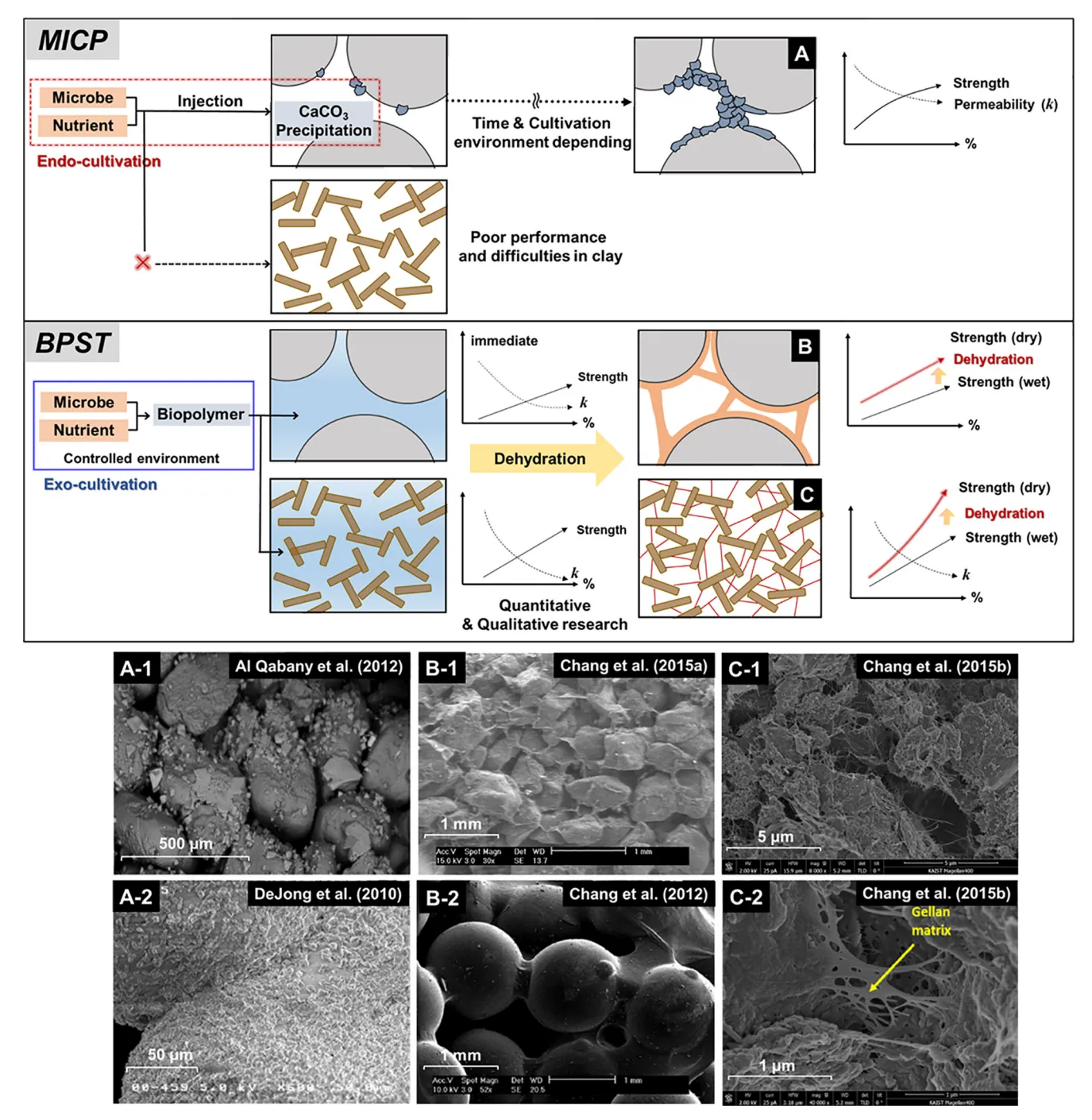
Fig. 1. Schematic comparison between microbial induced calcite precipitation (MICP) and biopolymer-based soil treatment (BPST) (SEM images after Al Qabany et al. [38], Dejong et al. [1], Chang et al. [49], Chang et al. [50], Chang et al. [48]).
repeating chain of two D-glucose residues, one D-glucuronic acid, and one L-rhamnose residue, with a multi-stranded chain structure [94,95].
Gellan gum forms a viscoelastic aqueous solution with cation-dependent gelation behavior [96]. It features versatile conformation according to polymer concentration, temperature, aqueous environment, and the presence of monovalent or divalent cations in the solution [97]. At low temperatures, gellan gum mostly exists in the form of double helical strands, while it shows single helix strands at high temperatures [94].
The temperature-dependent structure and viscosity transforming characteristics (i.e., thermo-gelation) of gellan gum have advantages in geotechnical engineering [48]. Once gellan gum hydrogels are formed via thermo-gelation between soil particles, the firm hydrogels provide significant strengthening (e.g., about 400 kPa with SP sand and 12 MPa with ML soil in dry conditions) and pore-clogging effects to cohesionless soils [48]. Moreover, the strengthening effect of gellan gum treatment excels in the presence of clays due to the direct formation of a biopolymer-clay matrix [46]. Compared to other polysaccharide-type biopolymers, gellan gum shows higher durability against severe wettingand-drying cycles, which is a notable benefit in practice [98]. However, the economic feasibility of gellan gum itself and the heat treatment required to induce the thermo-gelation process are limitations to its adoption in real geotechnical engineering practice.
Table 1Common biopolymers used in geotechnical engineering.
| Biopolymer | Chemical cha | racteristics | · | Cost ¹ [$/kg] | Behavior with Soils | Reference |
|---|---|---|---|---|---|---|
| Composition | Structure | Rheology | _ | |||
| Agar Gum | C ₁₄ H ₂₄ O ₉ | H ₀ 0 0 0 H | Reversible gelation properties with heating and cooling Thickening agent | 10–100 (~250) | StrengtheningPore cloggingErosion reduction | [48,72,78,232] |
| Guar Gum | of one | High viscosityHydration in cold waterStabilizer/thickener | 1–30 (~160) | Dust control Strengthening Grouting | [44,82,84,89,90,232] | |
| Gellan Gum | Reversible gelation properties with heating and cooling Thickening agent | 10–100 (~460) | StrengtheningPore cloggingErosion reduction | [46,48,96–98,232] | ||
| Dextran | Flexible biopolymer Lowers permeability in aqueous medium Emulsifier | 15–60 | Drilling muds Conditioners Erosion reduction | [56,100,101,109–112,116,232] | ||
| Beta-(1–3)- glucan | C ₁₈ H ₃₂ O ₁₆ | " " " " " " " " " " " " " " " " " " " | Irreversible elastic gel when heated Used as gelling agent | 20–90 | Grouting Strengthening Superplasticizer in concrete | [101,102,109,110,128,232,233] |
| Xanthan Gum | Increased viscosity Pseudo-plastic properties | 2–5 (~500) | Drilling mud thickener Strengthening | [49,137,138,232] | ||
| Chitosan | No immune reactionThickenerFertilizers | 10–100 (~1000) | Coagulant effectsRemoval of heavy metals in water | [65,148–151,232] | ||
| Starch | " " " " " " " " " " " " " " " " " " " | Diverse properties based on source Used as thickeners, stabilizers, disintegrates, diluents, adhesives, etc. | 1-5 (~20) | Adhesives for drilling fluids Strengthening Erosion reduction | [79,158–162,232] | |
| Casein | NAME OF THE PROPERTY OF THE PROPERTY OF THE PROPERTY OF THE PROPERTY OF THE PROPERTY OF THE PROPERTY OF THE PROPERTY OF THE PROPERTY OF THE PROPERTY OF THE PROPERTY OF THE PROPERTY OF THE PROPERTY OF THE PROPERTY OF THE PROPERTY OF THE PROPERTY OF THE PROPERTY OF THE PROPERTY OF THE PROPERTY OF THE PROPERTY OF THE PROPERTY OF THE PROPERTY OF THE PROPERTY OF THE PROPERTY OF THE PROPERTY OF THE PROPERTY OF THE PROPERTY OF THE PROPERTY OF THE PROPERTY OF THE PROPERTY OF THE PROPERTY OF THE PROPERTY OF THE PROPERTY OF THE PROPERTY OF THE PROPERTY OF THE PROPERTY OF THE PROPERTY OF THE PROPERTY OF THE PROPERTY OF THE PROPERTY OF THE PROPERTY OF THE PROPERTY OF THE PROPERTY OF THE PROPERTY OF THE PROPERTY OF THE PROPERTY OF THE PROPERTY OF THE PROPERTY OF THE PROPERTY OF THE PROPERTY OF THE PROPERTY OF THE PROPERTY OF THE PROPERTY OF THE PROPERTY OF THE PROPERTY OF THE PROPERTY OF THE PROPERTY OF THE PROPERTY OF THE PROPERTY OF THE PROPERTY OF THE PROPERTY OF THE PROPERTY OF THE PROPERTY OF THE PROPERTY OF THE PROPERTY OF THE PROPERTY OF THE PROPERTY OF THE PROPERTY OF THE PROPERTY OF THE PROPERTY OF THE PROPERTY OF THE PROPERTY OF THE PROPERTY OF THE PROPERTY OF THE PROPERTY OF THE PROPERTY OF THE PROPERTY OF THE PROPERTY OF THE PROPERTY OF THE PROPERTY OF THE PROPERTY OF THE PROPERTY OF THE PROPERTY OF THE PROPERTY OF THE PROPERTY OF THE PROPERTY OF THE PROPERTY OF THE PROPERTY OF THE PROPERTY OF THE PROPERTY OF THE PROPERTY OF THE PROPERTY OF THE PROPERTY OF THE PROPERTY OF THE PROPERTY OF THE PROPERTY OF THE PROPERTY OF THE PROPERTY OF THE PROPERTY OF THE PROPERTY OF THE PROPERTY OF THE PROPERTY OF THE PROPERTY OF THE PROPERTY OF THE PROPERTY OF THE PROPERTY OF THE PROPERTY OF THE PROPERTY OF THE PROPERTY OF THE PROPERTY OF THE PROPERTY OF THE PROPERTY OF THE PROPERTY OF THE PROPERTY OF THE PROPERTY OF THE PROPERTY OF THE PROPERTY OF THE PROPERTY OF THE PROPERTY OF THE PROPERTY OF THE PROPERTY OF THE PROPERTY OF THE PROPERTY OF THE PROPERTY OF THE PROPERTY OF THE PROPERTY OF THE PROPERTY OF THE PROPERTY OF THE PR | Hydro-phobic properties Widely used in food, paints, adhesives, plastics, and medical practices | 5-50 (~80) | StrengtheningWater resistanceHydraulic conductivity reduction | [166–170,234] |
lt;sup>1 Market price (as in 2018) based on bulk units (www.alibaba.com), where prices in brackets present the price of (purified) research grade products according to www.sigmaaldrich.com.
Dextran
Dextran is a homopolysaccharide composed of glucose linked to a linear chain via -1,6-linkages, synthesized from sucrose by lactic acid bacteria such as Leuconostoc mesenteroides and Streptococcus mutans [99]. It is a flexible biopolymer that can form coils with high density and a low level of permeability in an aqueous medium [100,101].
Dextran is one of the first industrially utilized extracellular microbial polymers, commonly used as a blood plasma extender [102]. Moreover, dextran is implemented in tissue engineering [103–105]. Another important application is the industrial separation of plasma protein, in particular albumin, immunoglobulins, pro-insulin, and other blood factors [106–108]. Dextran is also used in the food industry as an
emulsifier [109].
In civil and construction engineering aspects, attempts have been made to use dextran as an oil drilling mud additive [110,111] and soil stabilizer [112]. Dextran is reported to modify the microaggregate size distribution, increasing the proportion of aggregate (> 75 ) [112]. Dextran renders effective aggregation of soil particles [113,114]. A study on the effect of dextran on the desiccation and rehydration of sand and clays showed that dextran has no effect on water retention in soils [115]. Recently, experimental studies have shown that dextran enhances the surface erosion and scouring resistance of saturated silty sands. Fine silica sand containing dextran produced by 300 g/L of sucrose concentration showed 20 times increased critical shear stress ( ) and a 1/9 reduction in the erodibility coefficient (k) compared to the
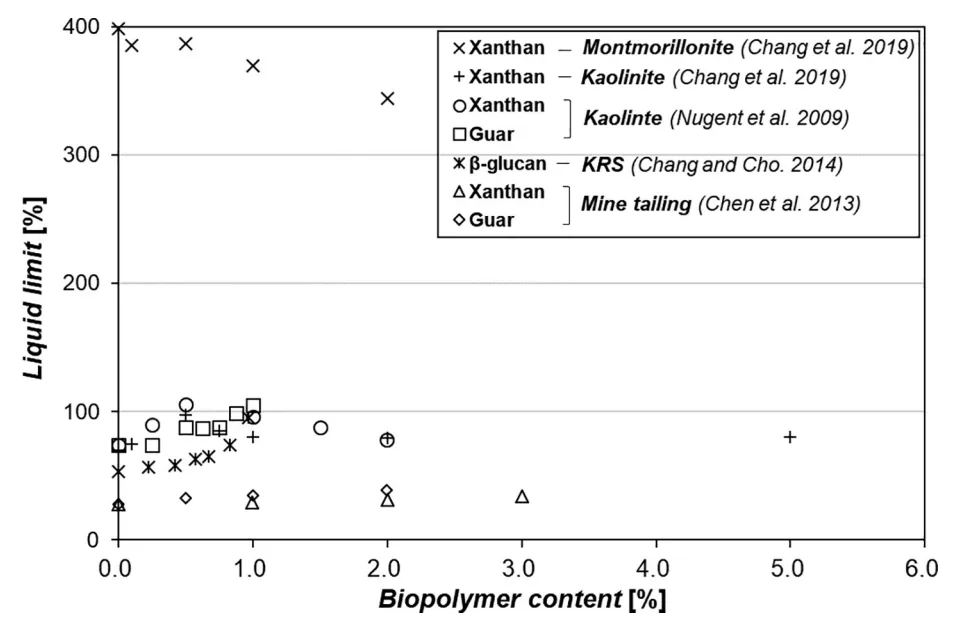
Fig. 2. Biopolymer effect to the liquid limit of soils [70,82,136,173].
untreated condition [56,116].
Beta-glucan
Beta-glucan (β-glucan) comprises a biopolymer group of D-glucose monomers that typically form a linear structure via 1,3- or 1,6-glyosidic bonds [50,117]. β-glucan is naturally found in various formations, such as in cellulose, bran, and the cell walls of yeasts, fungi, and bacteria [118–120]. In construction and geotechnical engineering practices, attempts have been made to use various β-glucan types, including scleroglucan, curdlan, and Polycan, to improve geotechnical engineering properties of soils.
Scleroglucan
Scleroglucan is a natural polysaccharide produced by an aerobic submerged culture of a selected strain of the fungus Sclerotium rolfsii, which has a three-dimensional, cross-linked, triple-helix structure [121]. Scleroglucan has high stability with temperature variation; however, when heated above 140 °C, its viscosity abruptly reduces down due to unrecoverable disturbance of its helical structure [122]. Scleroglucan is a multipurpose compound with applications in many industrial fields, including oil, food, and pharmaceutics. Purified scleroglucan, from which the mycelium has been removed by filtering the dilute broth, is used as a thickener in cosmetic applications [121,122].
Scleroglucan-based drilling fluids have found significant use in horizontal well drilling, as they allow the extraction of more oil from a petroleum reservoir [123,124]. Scleroglucan is not as economical as xanthan, but crude scleroglucan is potentially economical for use in oil recovery and drilling [125]. In conventional building products, scleroglucan shows adequate applicability as a thickener for asphalt emulsions [122,126]. Another application of scleroglucan is in improving the water retention of soils, where the water-holding capacity of scleroglucan is weaker than that of xanthan gum but higher than dextran [115,127].
Curdlan
Curdlan is a linear β-1,3-glucan biopolymer with a high molecular weight that is produced by pathogenic bacteria (e.g., Agrobacterium biovars and Alcaligenes faecalis) [99]. Curdlan forms irreversible elastic gels upon heating in an aqueous phase; thermally induced curdlan gels do not dissolve back to aqueous suspensions even when reheated [128]. Curdlan is a commonly used gelling agent in food industry [101,102], biomedical and pharmaceutical industries [117,129], and cosmetics industry [130,131].
In civil and geotechnical engineering applications, curdlan has been investigated to be used as a pore-clogging (grouting) agent for soil hydraulic conductivity reduction [132] and adsorbent for contaminated ground treatment [133]. Furthermore, curdlan has been used as a superplasticizer in concrete mixtures to prevent cement-aggregate separation [134].
Polycan
PolycanTM predominantly consists β-1,3/1,6-glucan produced by Aureobasidium pullulans [50,135]. Attempts have recently been made to use Polycan as a new, environmentally friendly soil binder in geotechnical engineering. Polycan has a soil strengthening effect, as even a small amount (0.25% of the soil mass) enhances the UCS of soil by up to 2.7 MPa which is competitive to the improvement of 10% cementtreated soil (2.2 MPa), while 0.5% β-1,3/1,6-glucan content yields a UCS of up to 4.3 MPa [50]. In addition, the presence of Polycan in soil enhances the liquid limit (LL), plasticity index (PI), and shear stiffness (G), while having a minor effect on soil's constraint modulus (M) [136]. Moreover, β-1,3/1,6-glucan soil treatment improves the surface erosion resistance and vegetation growth of arid soils, postulating the optimistic potential of BPST application to combat desertification [57].
Xanthan gum
Xanthan gum is a polysaccharide biopolymer produced by Xanthomonas campestris [137], comprising two glucoses, two mannoses, and one glucuronic acid unit that mostly forms helical structures [138,139]. Xanthan gum solution conformation is either a helix or random coil shapes, depending on dissolution temperature and salt level [140]. The viscosity of xanthan gum solutions increases linearly with xanthan gum content, showing high stability in broad range of temperatures, pH, and electrolyte concentrations [49].
Xanthan gum has been commonly used in food industry due to its temperature stability, compatibility with food ingredients, and pseudoplastic rheological characteristics [138]. Moreover, xanthan gum is also applied as a gelling and suspending agent (flocculant) for viscosity control in the oil industry as a drilling mud thickener [137]. Recently,
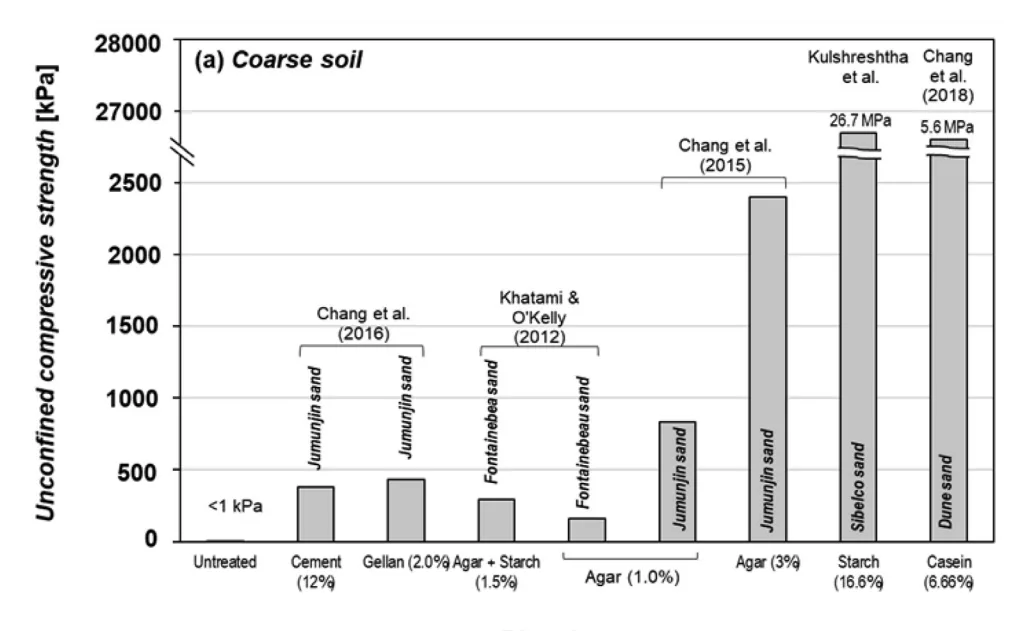
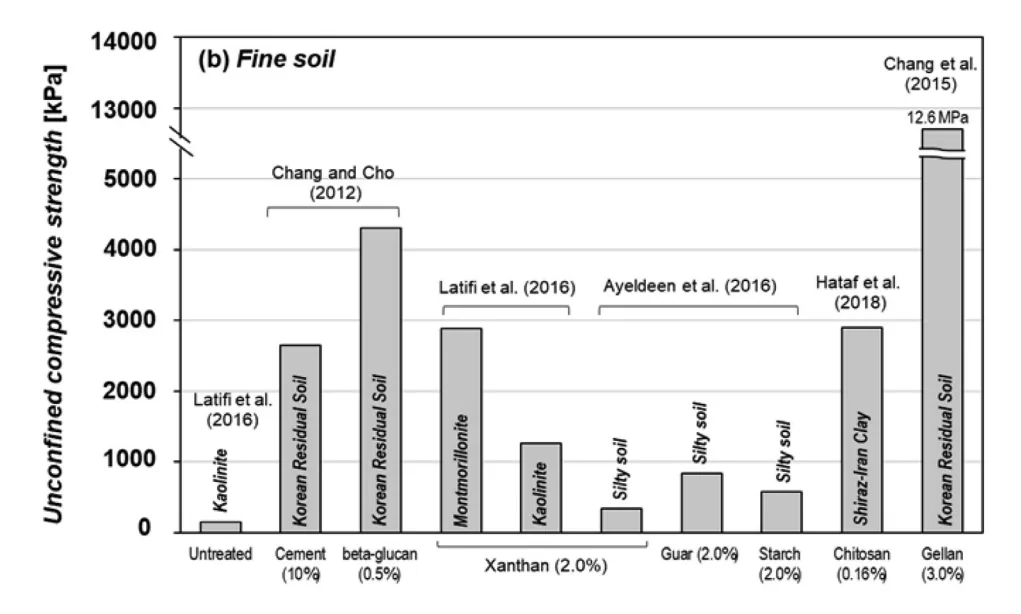
Fig. 3. Unconfined compressive strength of biopolymer-treated soils at a dry condition. (a) Coarse soil [48,79,169,175]. (b) Fine soil [50,146,176,177]. Data for cement-treated soils are included for comparison.
many research are implementing xanthan gum in geotechnical engineering practices due to its high soil strengthening efficiency (e.g., 4.9 MPa of UCS with 1% treatment on CL soil) and adequate economic feasibility [47,49,52,55,70,141–147].
Chitosan
Chitosan is a linear polysaccharide formed by the deacetylation of chitin contained in insects, squid bones, and crustacean shells. The main components of chitosan are β-1,4-D-glucosamine (C6H13NO5) and N-acetylglucosamine (C8H15NO6).
As chitosan has a similar molecular structure to human tissue, chitosan is compatible with the human cells and does not raise concerns of immune reactions. Thus, chitosan has become a common thickener, stabilizer, and manufacturing agent for food products and biomaterials. Due to its biodegradable properties, chitosan is widely used in agriculture in environmentally friendly biopesticides and fertilizers [148,149]. In addition, chitosan has been introduced as a feasible sustainable additive in earthen construction [68].
In terms of civil and environmental engineering, chitosan has been used as a coagulant to remove contaminants such as Cu2+, P3⁻, Cd2+, Zn2+, and Pb2+ from waste water and groundwater [65,150,151]. Moreover, the injection of chitosan into organic waste suspensions promotes coagulation, accelerating separation (settlement) of organic matter [66,152,153]. The cationic charges of chitosan show electrostatic interaction with the negative charges of clay particles, forming coagulates in clay suspensions [41,154,155] and rendering face-to-face packing clay sediments [156]. For soil remediation, chitosan coats the surface of sand particles and enhances the filtration of waste removal via pore clogging, which significantly reduces the hydraulic conductivity of soils [52,157].
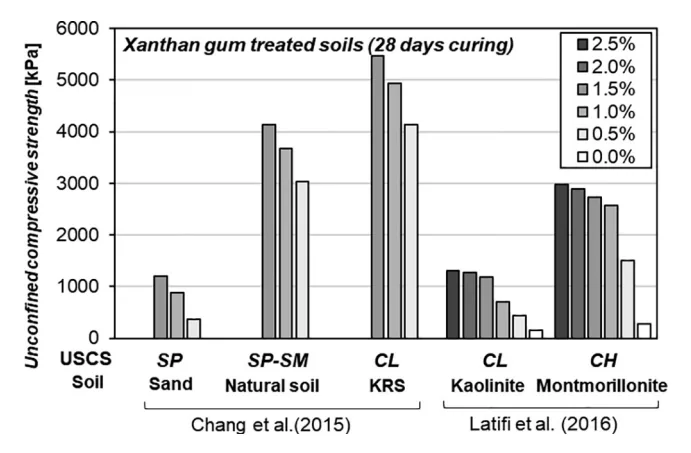
Fig. 4. Unconfined compressive strength of xanthan gum-treated soils with various soil types [49,176].
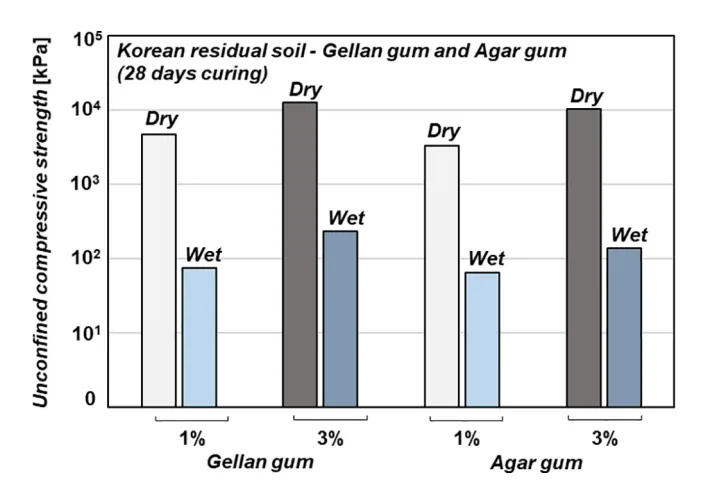
Fig. 5. Unconfined compressive strength of biopolymer-treated residual soils in dried and wet conditions (Gellan gum and Agar gum) [48].
Starch
Starch is one of the most common natural biopolymers found in seeds, grains, and roots of plants, including maize, rice, wheat, corn, potatoes, and cassava. The appearance and properties of this natural biopolymer vary depending on the source [158]. Starches are mainly composed of monosaccharides or sugar molecules with α-D-1,4 and/or α-D-1,6 linkages.
Starches are widely used in various fields including food, textile, cosmetic, plastic, paper, and pharmaceutical industries, as thickeners and stabilizers [159], disintegrants and diluents [160], strengtheners [161], and adhesives [162].
In construction and geotechnical engineering, starches have been applied as adhesives for drilling fluids [123,124,163]. Additionally, starch can improve the mechanical properties of soil, including UCS, shear strength, elastic modulus, and permeability function, as a pregelatinized powder [79]. It can also be cross-linked to enhance resistance to shear stress [164]. Moreover, starch shows remarkable soil erosion control by aggregating soil particles [41,165].
Casein
Casein is a phosphorous protein biopolymer that makes up 80% of the proteins in bovine milk and has an average molecular mass of 20–25 kDa. Casein tends to coagulate and form colloidal micelles in a suspension phase [166]. Due to its hydrophobicity, casein biopolymer has been widely applied in various fields, including food, industrial
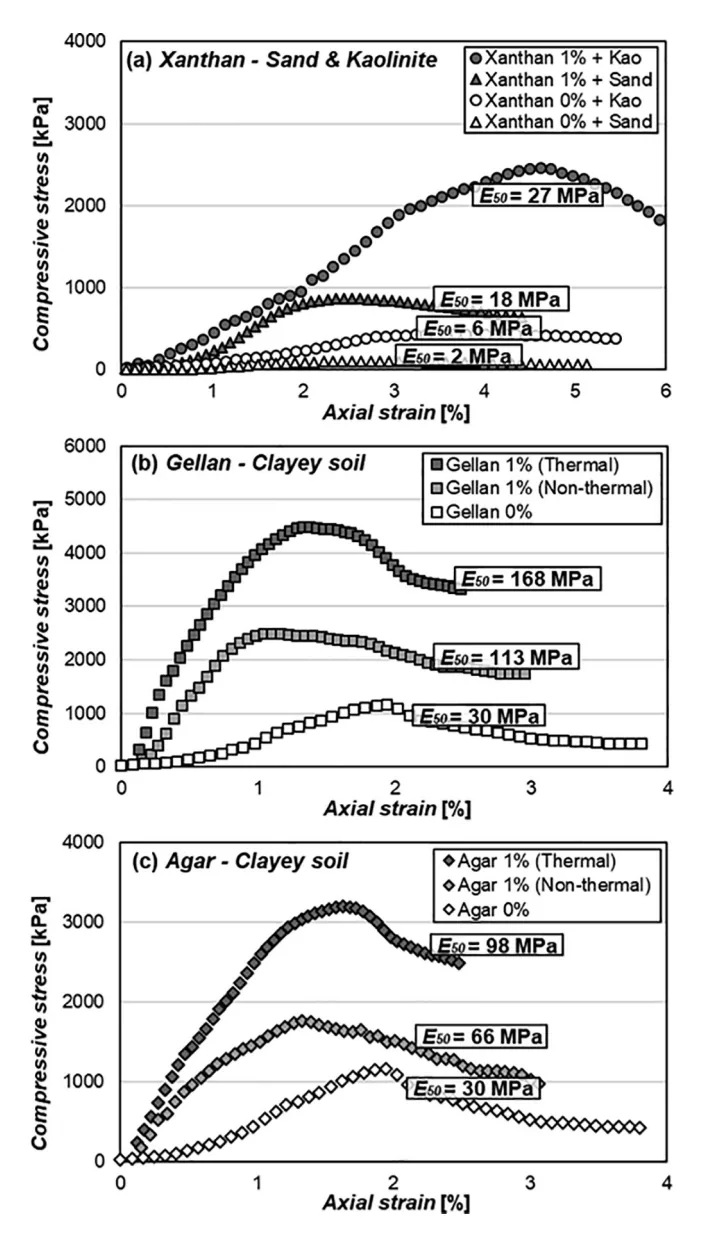
Fig. 6. Stress–strain relationship and elastic modulus (E50) under unconfined compressive test [48,49]. (a) Xanthan gum treated sand and kaolinite. (b) Gellan gum treated clayey soil (CL). (c) Agar gum treated clayey soil (CL).
paints, adhesives, plastics, and medical practices [167,168]. Moreover, its application in geotechnical and construction engineering practices is expected to contribute to global dairy and milk waste reduction, as the reported total global amount (135.8 million tons per annum) is estimated to produce 3.3 million tons of casein, which can treat approximately 127.4 × 10⁶ m3 of soil with 2% casein in the soil mass [166].
The hydrophobicity of casein has motivated research on soil treatment using casein to enhance the wet strength [166], shear strength [169], and hydraulic conductivity [170] of soils. In particular, casein has shown higher wet strength (i.e., 650 kPa of UCS with a 5% mixing ratio on a sand and clay mixture) than other BPST conditions [166].
Geotechnical engineering properties and behaviors induced by biopolymer-based soil treatment (BPST)
Soil consistency
Generally, the undrained shear strength of soil at the plastic limit (PL) and LL states are known to be around 170 kPa and 1.7 kPa,
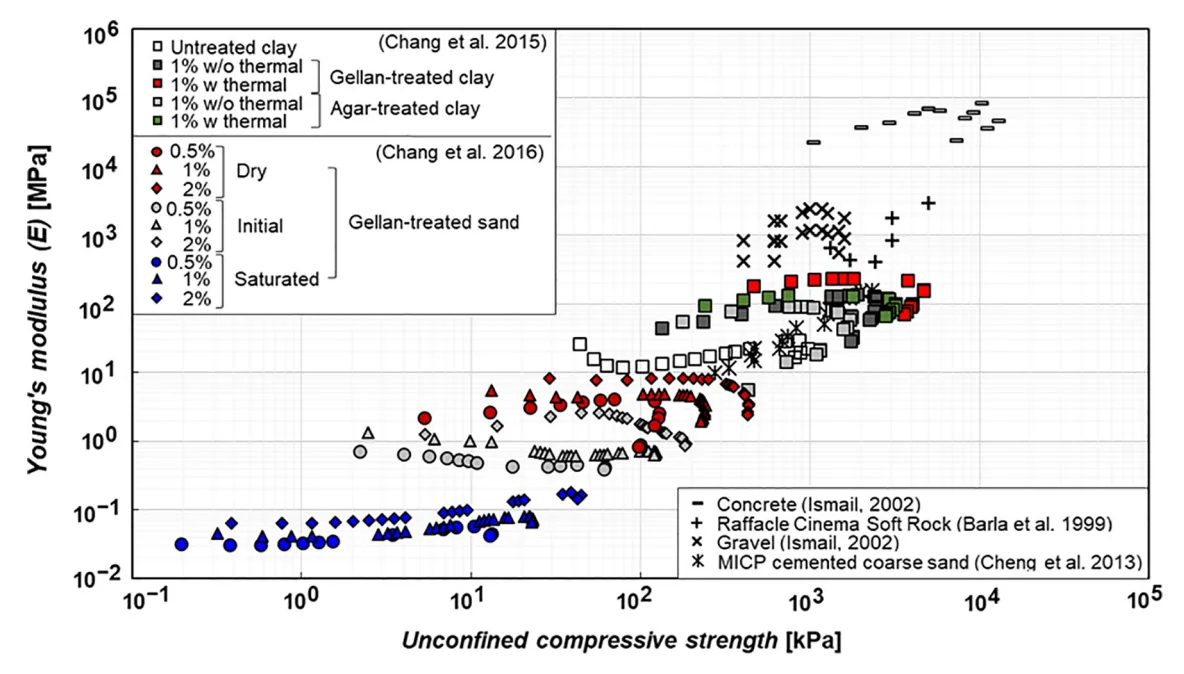
Fig. 7. Relationship between elastic modulus (E) and unconfined compressive strength (UCS) of biopolymer-treated soils compared with other treated geomaterials [48,54,182–184].
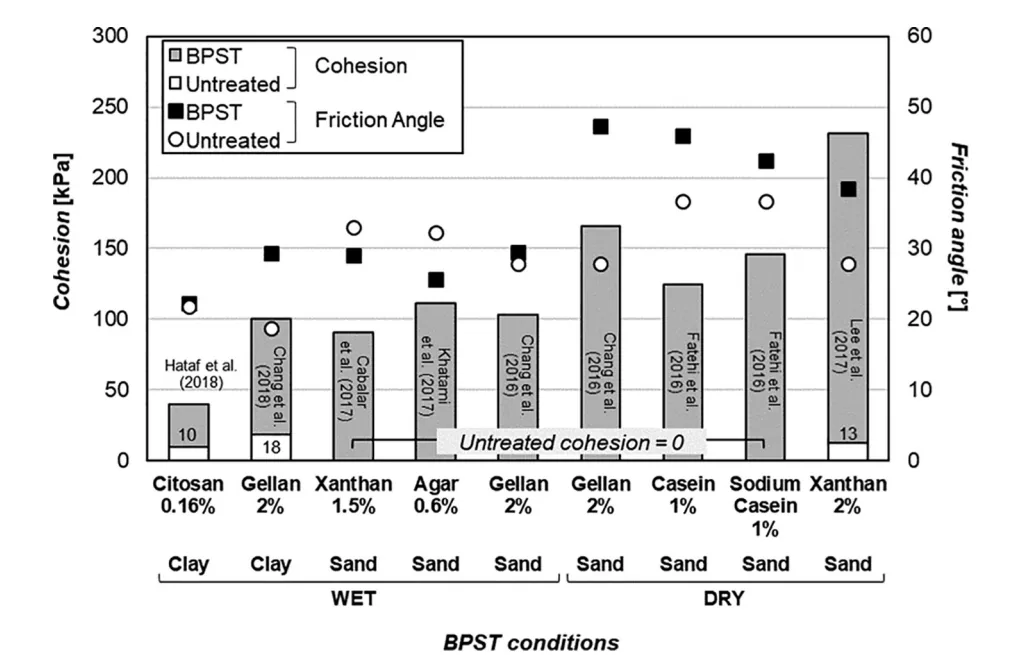
Fig. 8. Shear strength parameters (cohesion and friction angle) of biopolymer-treated soils [46,54,79,142,143,169,177].
respectively [171]. Thus, soils with a higher LL are expected to show higher undrained strength values in the same soil water content (w) condition, indicating the importance of the liquidity index (LI = (w-PL)/PI) of soils on shear resistance [172].
A study has shown that BPST can alter the classification (i.e., Unified Soil Classification System) of clayey soils due to its effect on the soil consistency (LL) and electrical sensitivity variations [70]. BPST mostly enhances the LL of soils by increasing pore fluid viscosity and soil wettability due to the presence of biopolymers among the soil particles, as shown in Fig. 2 [82,136,173]. However, BPST decreases the LL of clays with high specific surfaces and cation exchange capacity, such as montmorillonite, as direct ionic bonding between montmorillonite particles and xanthan gum is postulated to facilitate particlebiopolymer aggregation, resulting in a LL decrease [70].
Soil strengthening
Unconfined compressive strength
The maximum compressive stress that a sample can withstand under zero confining stress, the UCS is one of the key indicators of the geotechnical engineering behaviors (e.g., undrained shear strength, relative consistency) of cohesive soils [174]. Biopolymers generally increase the UCS of dry soils by inducing conglomeration and aggregation among soil particles and/or generating electrostatic adhesion between soil particles and biopolymers, as shown in Fig. 3. Throughout this paper, biopolymer content indicates the biopolymer to soil ratio in mass.
Fig. 3a shows the UCS of biopolymer-treated coarse soils dried for 28 days at room temperature [48,79,169,175]. The UCS increases with
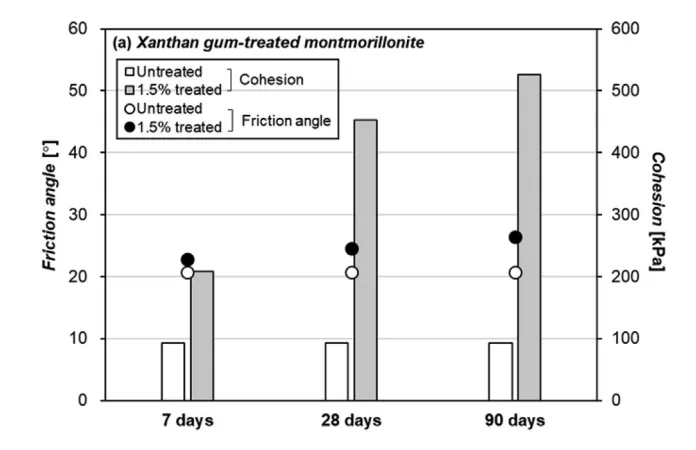
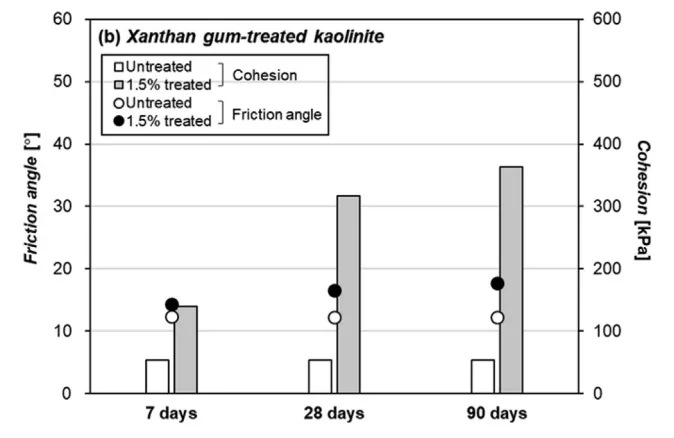
Fig. 9. Shear strength parameters (cohesion and friction angle) of xanthan gumtreated clays with time [176]. (a) Montmorillonite. (b) Kaolinite.
biopolymer content [79]; an example is agar gum-treated sand (0.8 MPa at 1%; 2.4 MPa at 3%) [48]. In addition, 2% gellan gumtreated sand (SP) has a UCS of 435 kPa, higher than that of 12% cement-treated sand (380 kPa) [54]. Attempts to use corn starch to strengthen soil show that 16.6% starch-treated soil has UCS values up to 26 MPa [175]. Recently, casein biopolymer has been introduced as a soil binder with a high strengthening effect, as 6.66% casein increases the UCS of sandy soils by up to 5.63 MPa [166]. Casein BPST strengthening effect depends on dehydration conditions, with the most effective strengthening being induced at 60 °C drying for 14 days [169].
The biopolymer strengthening effect is more significant in fine soils, as shown in Fig. 3b [50,146,176,177]. For clays, 2% xanthan gum BPST enhances the UCS of montmorillonite by up to 2.9 MPa, while the same treatment improves the UCS of kaolinite up to 1.3 MPa [176]. Gellan gum also shows significant soil strengthening effects, as the UCS of 3% gellan gum-treated sandy lean clay (CL) reaches up to 12.6 MPa [48]. Furthermore, β-glucan biopolymer shows significant strengthening in sandy lean clay (CL), with 0.25% and 0.5% content having UCS values of 2.17 MPa and 4.31 MPa, respectively, both higher than the UCS of 10% cement treated condition (2.65 MPa) [50]. 2% BPST on silt with xanthan gum, starch, and guar gum, reveals UCS values of 337 kPa, 575 kPa, and 842 kPa, respectively [146]. Chitosan BPST shows high strengthening efficiency, where 0.16% of chitosan enhancing the UCS of low plastic clayey soil (CL) up to 2.9 MPa [177].
Fig. 4 shows the UCS characteristics of xanthan gum BPTS with various soil types [49,176]. The UCS of soils gradually increases with higher xanthan gum content and dehydration due to xanthan gum hydrogel condensation and subsequent biofilm formation [49,142,176,178]. The optimum xanthan gum content for sandy soil (SP) strengthening has been reported to be around 1.5–2%, improving UCS values by 0.9–1.2 MPa [49]. Although xanthan gum treatment enhances the UCS of sands, its strengthening effect is much higher for clayey soils such as sandy lean clay (CL), kaolinite, and montmorillonite as shown in Fig. 4 [49,176], due to the biopolymer-clay matrix formation induced by ionic and hydrogen bonds between xanthan gum and clay particles [46].
The UCS values of BPTSs with water content variation are presented in Fig. 5 [48]. Strength reduction via wetting and accompanying saturation is regarded to be the result of the hydrogel swelling of hydrophilic biopolymers [179–181]. Although the wet strength of BPTS is lower than that of dry BPTS, the saturated strength of BPTS is significantly higher than that of untreated soils, thus, BPST shows promising applicability in waterfront or wetland geotechnical engineering practices.
Stress–strain behavior under uniaxial loading
Fig. 6 shows the stress–strain relationships of xanthan gum, gellan gum, and agar gum BPTSs obtained by unconfined compression, where dried BPTSs have higher elastic stiffnesses (E50) than untreated soils [48,49]. For xanthan gum, 1% BPST increases the E50 up to 9 times (2 MPa to 18 MPa) for sand and 4.5 times (6 MPa to 27 MPa) for kaolinite. Moreover, thermo-gelating biopolymer treatment shows a remarkable E50 increase, with 1% of thermo-gelated gellan gum and agar gum BPST increasing the E50 of clayey soil to 168 MPa and 98 MPa, respectively [48].
Fig. 7 presents the overall relationship between the elastic modulus (E) and UCS of BPTSs and other engineered geomaterials (e.g., cement, gravel, and MICP-treated soil) [48,54,182–184]. Both E and UCS values show a global increasing trend regardless of binder type, where thermogelated gellan gum BPST on clay showing competitive strengthening compared to other bio-based soil treatment conditions.
Shear strength
Shear strength refers to the external load a soil can sustain without structural failure, which is an important factor for reliable and safe design of geotechnical engineering structures such as slopes, earth walls, embankments, and foundations [185]. Various BPST approaches have been introduced to improve the shear strength parameters (apparent cohesion and friction angle) of different types of soils in wet and dry conditions, as summarized in Fig. 8 [46,54,79,142,143,169,177].
BPST enhances apparent cohesion significantly in both cohesive (clay) and cohesionless (sand) soil regardless of soil saturation compared to the untreated condition, which is presented as white blocks in Fig. 8. Fig. 8 shows that BPST leads to a major increase in soil interparticle cohesion regardless of soil moisture content. For instance, 0.16% of chitosan and 2% of gellan gum BPST on Shiraz-Iran clay and pure kaolinite in a wet state increases inter-particle cohesion from 10 kPa (untreated clay) to 30 kPa and 18 kPa (untreated kaolinite) to 82 kPa, respectively [46,177]. Xanthan gum (c = 91 kPa), agar gum (c = 111 kPa), and gellan gum (c = 104 kPa) also significantly increase the cohesion of several types of cohesionless SP sands [79,142]. Moreover, the dehydration of biopolymer hydrogels exceeds the interparticle cohesion of sands over 150 kPa [54,143,169].
Meanwhile, BPST seems to have minor impact to the inter-particle friction angle of soils (Fig. 8). At wet states, friction angle of BPTSs tends to be similar to or less than the friction angle of untreated soils, where the hydrated biopolymer hydrogels occupying pore spaces can be regarded to have negligible effect on inter-granular friction. However, drying which accompanies biopolymer hydrogel dehydration enhances the inter-particle friction angle of sands compared to saturated conditions due to the condensation of biopolymer biofilms, which promotes the particle conglomeration effect of BPST via surface coating and interparticle bridging [54,143]. For instance, the inter-particle friction angle of pure sand increases from 27.9° (untreated) to 47° with 2% of gellan gum BPST in a dried state [54].
Fig. 9 shows the inter-particle cohesion and friction behavior of
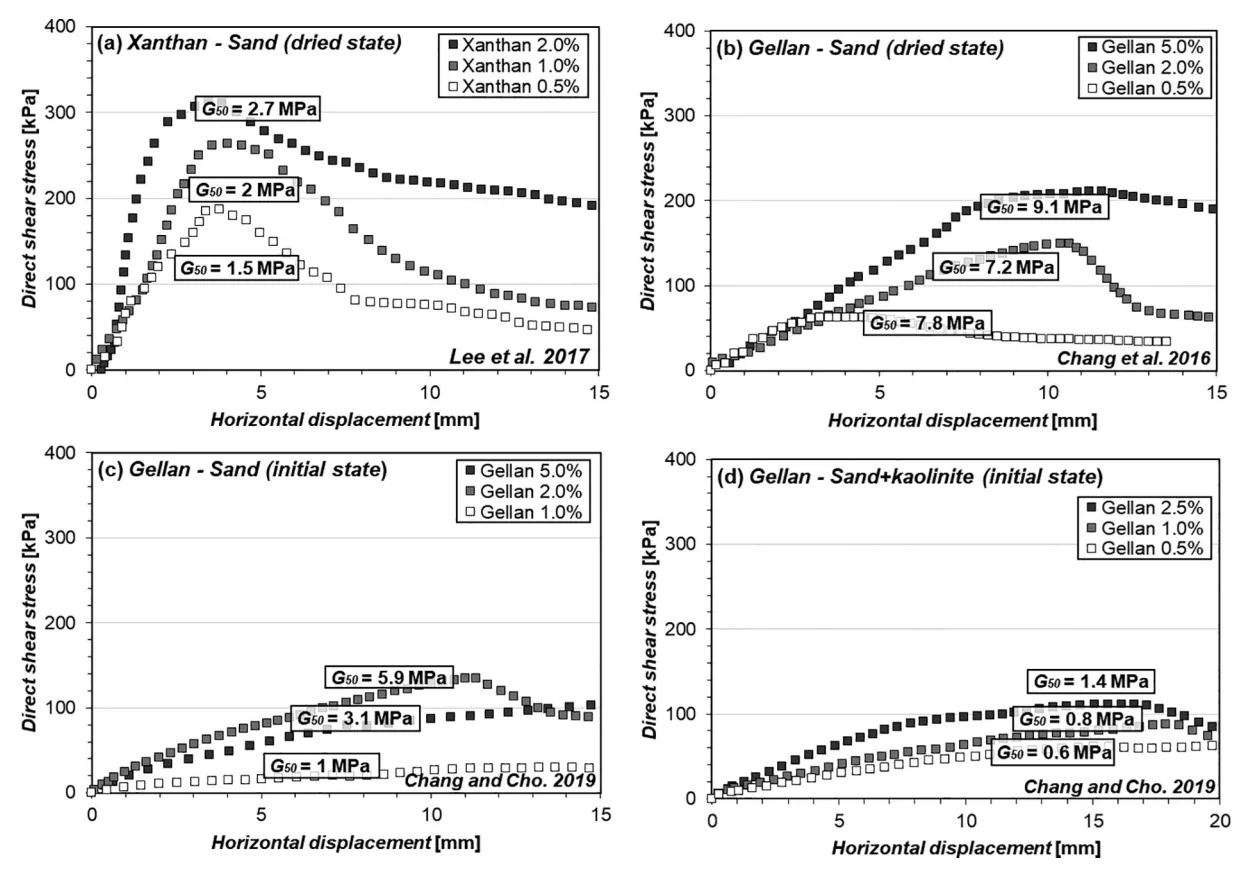
Fig. 10. Horizontal displacement-direct shear stress evolution including shear stiffness in various soil and biopolymer conditions [46,54,143] (a) Xanthan gum treated sand in dry state, (b) Gellan gum treated sand in dry state, (c) Gellan gum treated sand in initial (wet) state, (d) Gellan gum treated sand and kaolinite (1:1) mixture soil in initial (wet) state.
dehydrated xanthan gum-treated clays with drying time [176]. Although both inter-particle cohesion and friction angle increase after 28 days of sample preparation, attributed to xanthan gum hydrogel dehydration, the further friction angle increase for up to 90 days is postulated to be affected by the thixotropy behavior of xanthan gumclay matrices [49].
Soil stiffness including dilation and elastic wave velocity
Fig. 10 presents the shear stress-horizontal displacement relationships of gel-type BPTSs obtained by direct shear test under 50 kPa vertical confinement, where shear stiffness (G50) generally increases with higher biopolymer contents regardless of soil moisture content [46,54,143]. In a dried condition, gellan gum BPST renders higher G50 values than xanthan gum BPST with the same sand material (jumunjin sand, Korea) and biopolymer content, as shown in Fig. 10a and 10b [46,143]. For the same BPST condition, soil moisture content becomes an important factor in BPTS shear stiffness, as G50 values increase significantly from the wet (Fig. 10c) to the dried (Fig. 10b) state due to the dehydration of biopolymer hydrogels and the subsequent inter-granular coating and bridging effect induced by biofilms [46,54]. For gellan gum BPST on sandy clay in a wet state (Fig. 10d), despite G50 values increasing with biopolymer content, the G50 values are lower than those of sand (Fig. 10c) at the same soil moisture content. This is attributed to gellan gum-clay matrix formation, which makes BPTS more ductile and rendering residual behavior under shearing [46].
BPTSs generally show dilatancy increase with higher biopolymer content, especially in a dried state (Fig. 11) [46,143]. However, once a dried BPTS is subjected to re-saturation, dried biopolymer biofilms adsorb water and swell to hydrogels due to the hydrophilicity of biopolymers, where the swelling seems to reduce not only the shear stiffness but also the dilatancy of BPTSs inducing contractive volume change behavior under shearing [46,143].
For xanthan gum-treated sand in a dry state (the rectangular points in Fig. 11a, b, and c), the condensed biofilm becomes thicker as xanthan gum content increases, resulting in more brittle and dilative behavior at shear failure. As xanthan gum-treated soil becomes saturated, the condensed xanthan gum gels adsorb water and swell due to hydrophilicity, resulting in stiffness reduction (the rhombic points in Fig. 11a, b, and c). While 0.5% and 1.0% of xanthan gum content is enough for complete swelling and reduction in dilative behavior, incomplete swelling occurs in the 2.0% xanthan gum condition, resulting in similar dilation behavior with the untreated state. Gellan gum-treated sand is also expected to show dilatancy reduction via re-saturation according to the gradual strength and stiffness reductions with repeating wetting– drying cycles, as reported by Chang et al. [98]. On the other hand, gellan gum BPST on sand mixed with kaolinite at a 1:1 ratio presents more brittle and dilative behavior as gellan gum content increases from 1% to 5% due to a structural agglomeration effect (Fig. 11d).
Finally, the presence of β-glucan in soil enhances shear stiffness. Previous research has measured elastic wave velocity with β-glucantreated KRS, finding that the β-glucan increased the shear (S) wave velocity and shear modulus by enhancing the soil structure (Fig. 12) [136]. However, the compressive (P) wave velocity and elastic modulus were not drastically affected [136]. Besides, a shear modulus increase in fine quartz sand (Ottawa F110) via dextran biopolymer treatment has been observed, with the velocity and attenuation responses of both P and S waves of dextran-treated sand being mainly governed by the amount of biopolymer accumulation (degree of biopolymer saturation) and elastic stiffness of biopolymer hydrogels in inter-granular pore spaces [186].
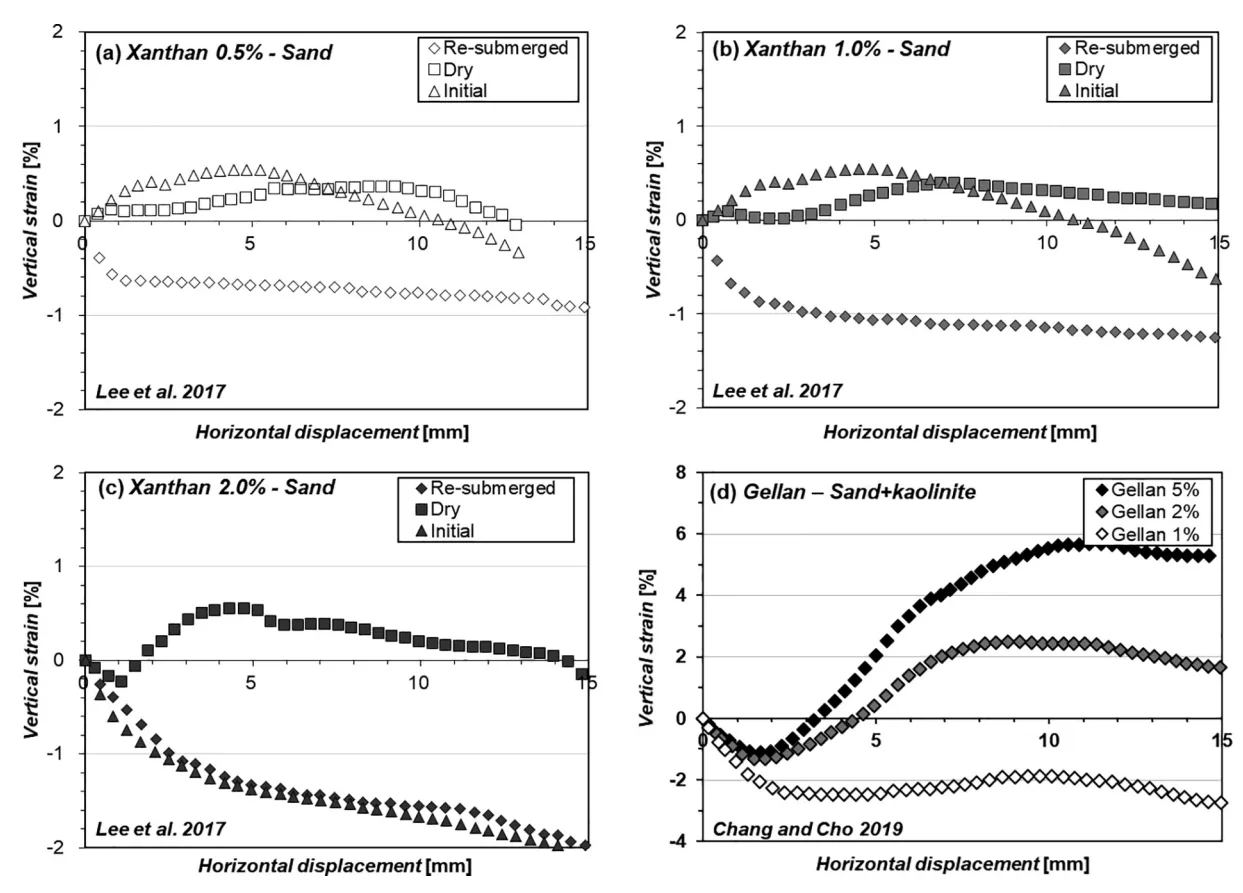
Fig. 11. Dilation behavior of xanthan treated sand and gellan gum treated sand and kaolinite (1:1) mixture during direst shear testing under vertical confinement of 50 kPa [46,143]. (a) 0.5% of xanthan gum treated sand, (b) 1.0% of xathan gum treated sand, (c) 2.0% of xanthan gum treated sand, (d) 1%, 2%, and 5% of gellan gum treated sand and kaolinite mixture.
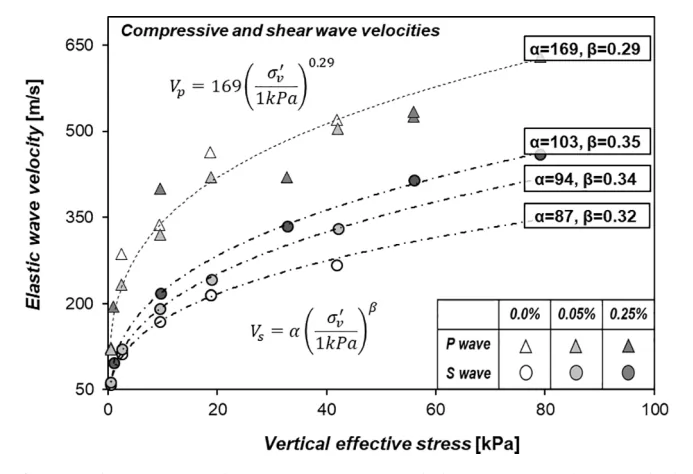
Fig. 12. Elastic wave velocity (compressive and shear wave) with vertical effective stress variation of beta-glucan treated sandy lean clay (Korean residual soil) [136].
Soil erosion control
Surface soil erosion is an important concern in geotechnical engineering and other fields such as climatology, agriculture, military, hydrology, and human health [15,186]. Thus, many research have been attempted to control and reduce soil erosion through irrigation control, afforestation, and soil stabilization with binder materials [41,187–189]. However, conventional approaches have limitations in terms of necessity for frequent application and economic ineffectiveness [64]. Moreover, chemical additives (e.g., PAM) raise environmental and
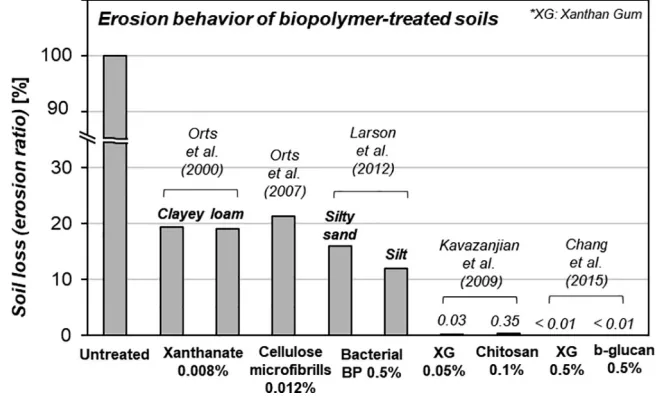
Fig. 13. Erosion behavior of biopolymer-treated soils [15,41,57,64,192].
health concerns, restricting their usage nowadays [17,22,190].
As an alternative, biological approaches have been attempted to enhance the erosion resistance of soils with microbial precipitation [69,191] and BPST [7,41,55,64,192,193]. Biopolymers enhance the stability and surface erosion resistance of slopes and dam structures via multiple interactions, including bio-aggregation, bio-crusting, biocoating, bio-clogging, and bio-cementation [194].
Fig. 13 shows the soil erosion response of BPTSs assessed by the laboratory test methods summarized in Table 2 [15,41,57,64,192]. Despite BPST is effective in reducing soil erosion, especially xanthan gum, β-glucan, and chitosan biopolymers show significant erosion resistance, with accumulated erosion ratios less than 1% [57,64]. Both biopolymer solution spraying and directly mixing it into the soil (prior
| Methodology to evaluate erosion ratio. Table 2 | ||||
|---|---|---|---|---|
| Authors | Test method | Specimen preparation | Exposure to erosion | Measurement |
| Orts et al. [15,41] | • Laboratory mini-furrow test (1:100 scale) • | furrow (0.6 cm in width, 0.6 cm in depth) formed along the middle to create Moist soil (1500 g) compacted into a 1-inch width long bar with a narrow a mini-furrow in the length direction • | Test solution (tap water) pumped down the furrow, set at an angle of 5° with 7 mL/min flow rate • | Runoff water collection at the lower end of the furrow Turbidity • • |
| Chang et al. [57] | • Precipitation and stream erosion simulation | Soil compacted in a tray (300 mm in length × 150 mm in width × 50 mm in depth) • | Water sprayed 30 cm from the soil surface with 500 mL/ Tray inclined for 20° 5 s charge rate • • | Runoff water collection Eroded solid mass • • |
| Periodic precipitation: 9 precipitation events with 48- Heavy precipitation : (continuous) 15 precipitation events with 10-minutes time interval hours time interval • • | ||||
| Kavazanjian et al. [64] | Wind erosion test • | • Compacted sample with 21.6 cm diameter and 2.54 cm height | • Specimen placed 51 cm away from the fan and exposed to air flow (velocity 26 km/hour) for 10 min | Eroded solid mass • |
| Larson et al. [193] | Mesoscale rainfall soil lysimeter test • | Silty sand placed inside lysimeter (78.7 cm in length × 78.7 cm in width × 60.7 cm in height) • | annual precipitation (Northeastern USA) with a weekly Rainfall simulation by applying 1/16 of the average basis up to 16 weeks. • | Total suspended solids (TSS) Runoff water collection and turbidity • • |
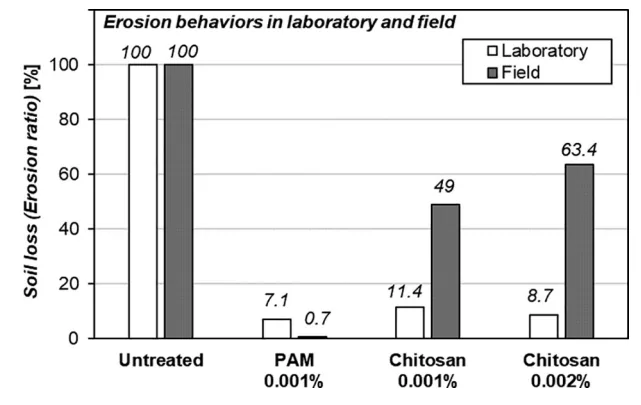
Fig. 14. Erosion behavior of biopolymer-treated soils assessed in laboratory and field conditions [41].
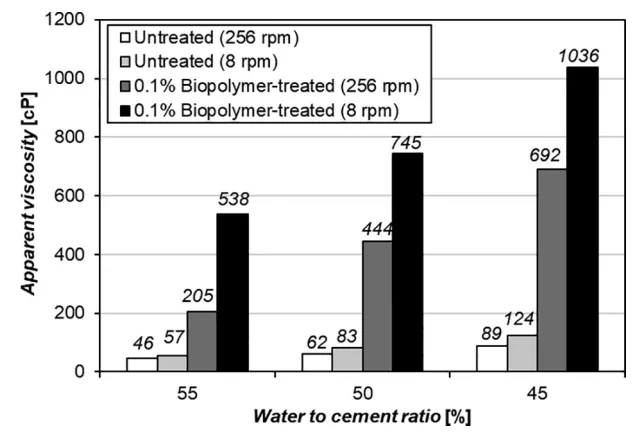
Fig. 15. Biopolymer e ffect to the viscosity of cement slurries [196,235]
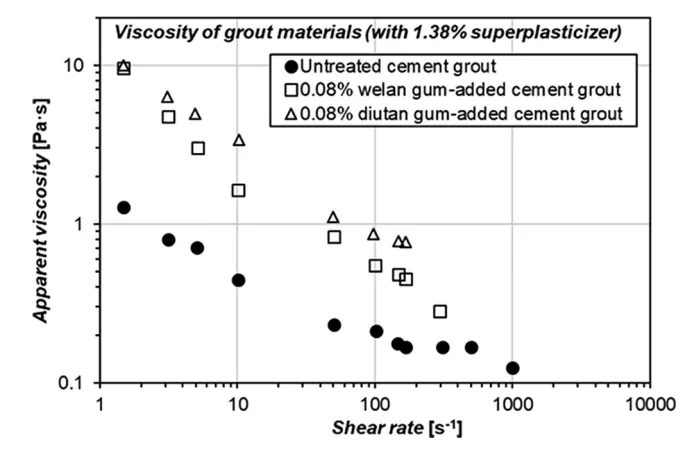
Fig. 16. Shear rate-dependent apparent viscosity relationship of biopolymercement mixtures [198].
biopolymer and soil solution mixing) methods are adequately e ffective for surface erosion control [64]. Despite BPST can be regarded as a su fficient soil erosion mitigation approach, exposure to real environment conditions in situ result in different erosion response than in laboratory tests, mostly showing higher erosion ratio in the field, as illustrated in Fig. 14 [41]. Thus, further improvement to the in situ performance and durability of biopolymers is required for their reliable practical implementation. In terms of economic e fficiency, xanthan gum seems to be more economically feasible than other exopolysaccharides and starch [195].
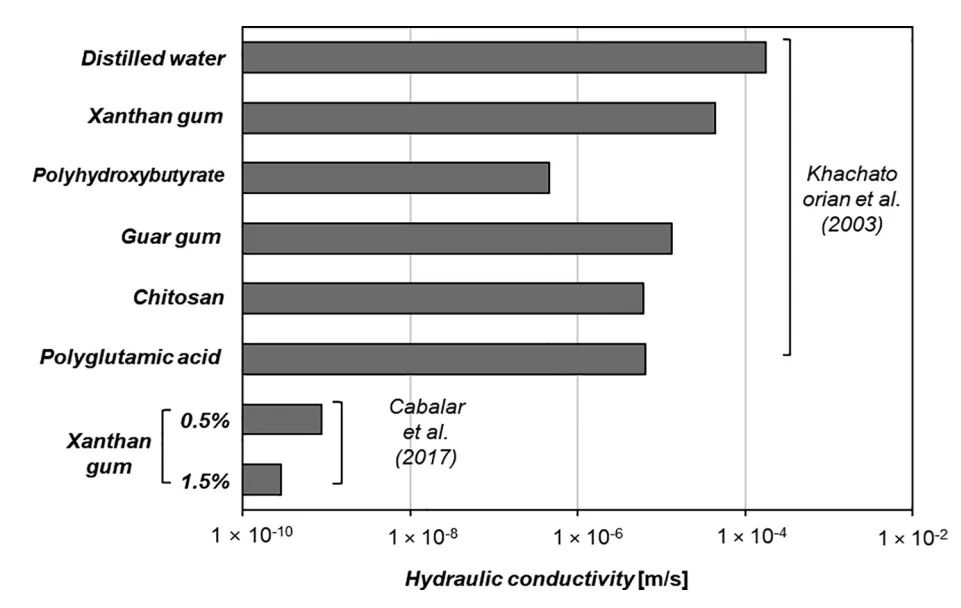
Fig. 17. Pore-clogging effect induced by continuous biopolymer solution infusion into soil masses assessed by laboratory tests [52,142].
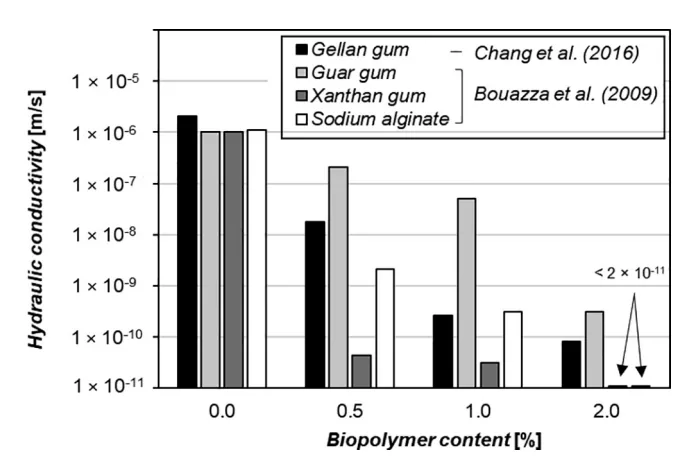
Fig. 18. Biopolymer treatment effect to the hydraulic conductivity of biopolymer-sand mixtures [54,147].
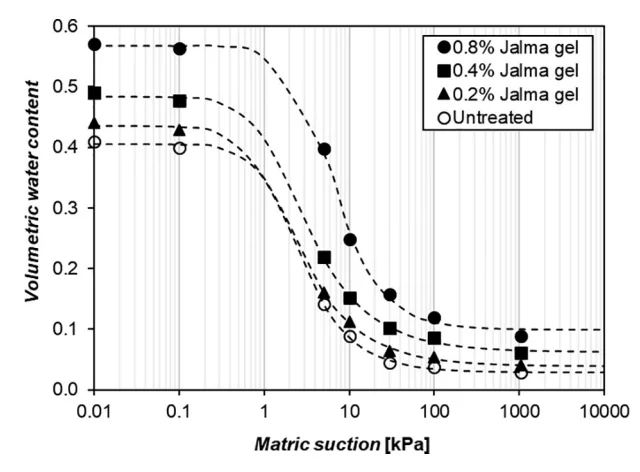
Fig. 19. Soil-water characteristic curves of hydrogel (Jalma gel) treated sand [213].
Ground injection
The use of biopolymers in ground injection (grouting) has been investigated to control the viscosity and prevent the separation of cement-based grout materials [196–198]. Biopolymers are effective in controlling the bleeding and washout of cement grouts due to their hydrophilic capacity and adhesive force for holding cement particles [199]. Fig. 15 shows the viscosity increase of cement grouts with BPST, where a higher shear rate results in a reduction of the apparent viscosity of biopolymer cement grouts [196]. Although biopolymer treatment increases the viscosity of cement grouts, which raises concerns about grouting pressure and injection efficiency [2], the pseudoplasticity of biopolymer hydrogels significantly reduces the apparent viscosity of grout materials, as shown in Fig. 16 [198]. As recent studies show the viability of biopolymer application for ground hydraulic conductivity control [39,117,173,174], further research is expected to implement BPST for grouting purposes.
Meanwhile, biopolymers show a substantial increase in viscosity in high-salinity water, high shear resistance, and stability at wide temperature and pH ranges [52,200], making biopolymer application adequate in oil recovery practices [200–202].
Pavement and earth stabilization
As most pavements are engineered with petroleum- or cement-based binders such as asphalt and concrete. There have been several attempts to find sustainable solutions and apply BPST to pavement and earth stabilization. Biopolymers such as starch have been used as supplemental additives for cement- or lime-based soil binders for sub-base stabilization in road construction [61,203]. Moreover, bio-based enzymes have been suggested to strengthen and stabilize the sub-grade of pavements [204]. Enzymes catalyze the chemical reaction (soil-to-ion interaction) between clay particles and cationic organic matter within the soil, resulting in an overall increase of soil strength, although enzyme activity depends very much on soil type and environmental conditions [205–207]. MICP may also be applicable for sub-ground soil stabilization [1].
Biopolymers have also been studied in terms of earth stabilization and pavement engineering [122,208,209]. Recently, attempts have been made to use gel-type biopolymers (e.g., xanthan gum and gellan gum) to enhance the strengthening parameters of sandy soils [48,49], where 1% gel-type BPST induces strengthening greater than that of 10% cement treatment in terms of UCS and ground bearing capacity [54]. However, the practical implementation of gel-type BPST also has limitations in terms of durability and strength reduction with repeated wetting and drying [98].
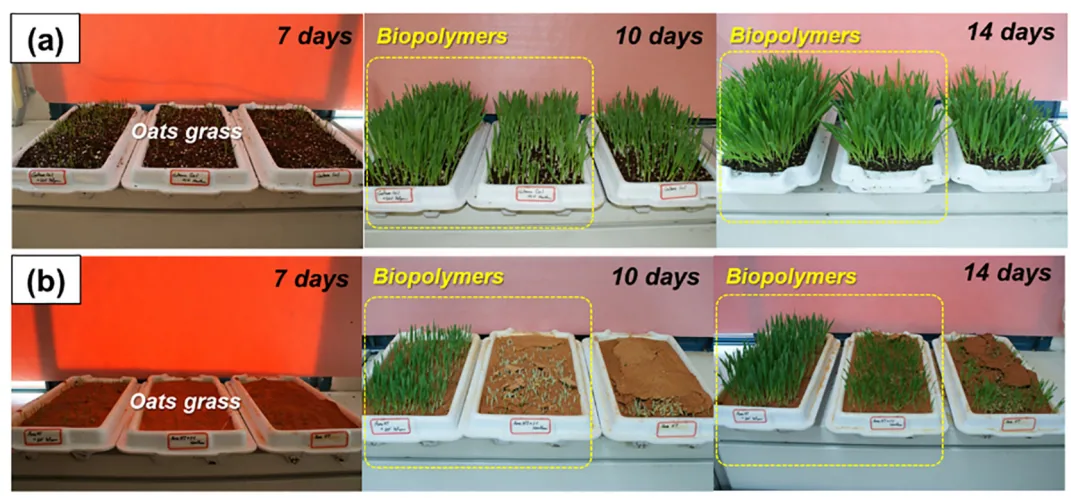
Fig. 20. Vegetation promotion effect of BPST assessed in laboratory [57] (a) Culture soil. (b) Inorganic silty loam (ML).
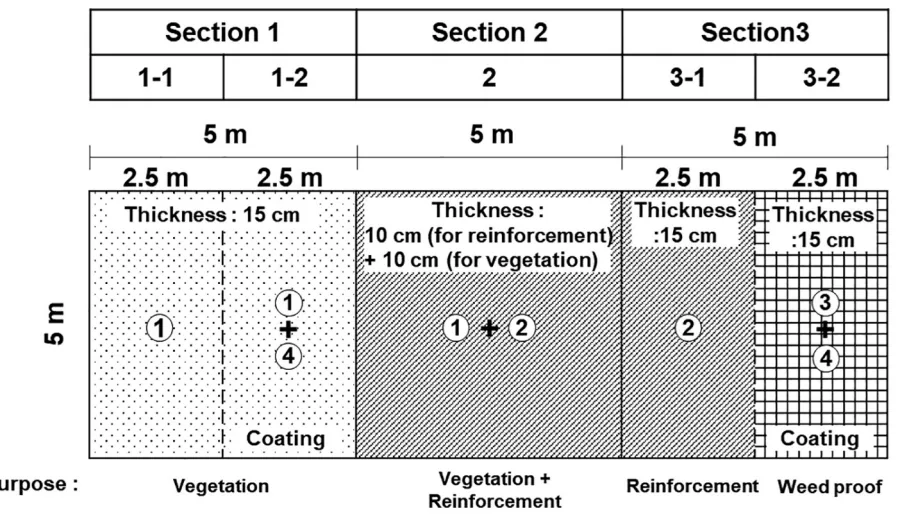
Fig. 21. Construction plan of BPST implementation for slope surface protection (Seosan, Korea; May 2016).
Ground water control
In geotechnical engineering, ground hydraulic conductivity control is an important manner for soil liquefaction potential mitigation and ensuring the stability of soil dams or seepage structures [210]. In fact, the presence of biopolymer hydrogels or other biomaterials can affect the hydraulic conductivity of soils by altering the water retention characteristics (suction potential) [211] or inducing soil pore clogging [69,212]. Regardless of the biopolymer phase in soil (e.g., dried biofilm, moist hydrogel), when BPTSs are subjected to water, biopolymers swell via hydrophilic adsorption and decrease paths for fluid flow [54], resulting in a significant reduction to the hydraulic conductivity of BPTSs [52,54,147,213]. Fig. 17 shows the hydraulic conductivity behaviors of sands, where pores are clogged by continuous biopolymer solution flow [52,142]. In details, 11 days of biopolymer solution injection reduces the hydraulic conductivity of sand (untreated: 1.74 × 10−⁴ m/s) by 1/10 to 1/1000 times, depending on biopolymer type [52], while higher biopolymer solution concentrations render lower permeability values [142].
Fig. 18 shows the hydraulic conductivity of directly mixed biopolymer-treated sands [54,147], indicating that the permeability values of biopolymer-treated sands are significantly lower than those of sands clogged by biopolymer solutions (Fig. 17). However, there are concerns about gradual hydrogel weakening (concentration decrease by continuous water adsorption) and wash-out under high hydraulic pressure conditions [214].
Soil water retention
As biopolymers can adsorb extreme amount of water relative to their own mass (e.g., 1 g of xanthan gum can adsorb 100 g of water), BPST alters distinctive soil–water characteristic (SWC) by enabling higher water retention [57,115,127,213,215]. Moreover, in the presence of water, biopolymers swell to viscous hydrogels that fill pore spaces, leading to low fluid permeability even under loose soil density [49,216–218].
The water retention behavior of BPTSs differs with biopolymer types and contents [115,213,219]. For instance, a study shows 1% BPST with xanthan gum, scleroglucan, and dextran enhancing the water retention of sand [115]. Another hydrophilic hydrogel, Jalma gel, induces higher initial volumetric water content conditions with biopolymer content increase, as shown in Fig. 19 [213].
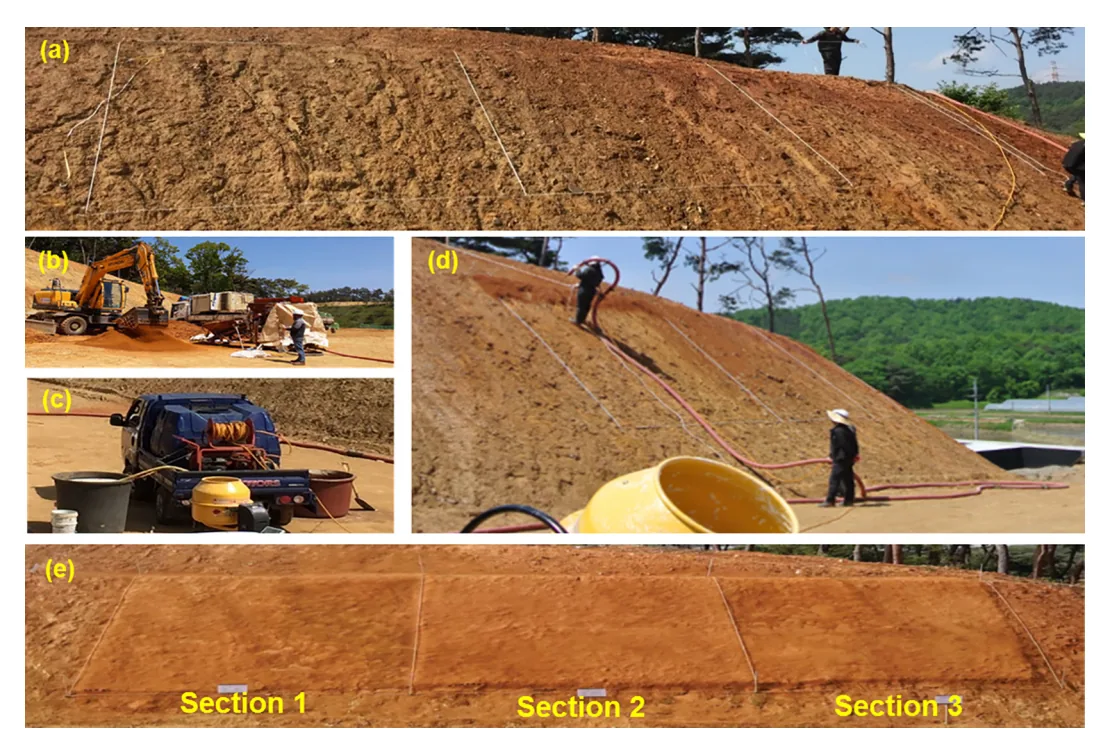
Fig. 22. Overall procedure of BPST implementation for slope surface protection (Seosan, Korea; May 2016).
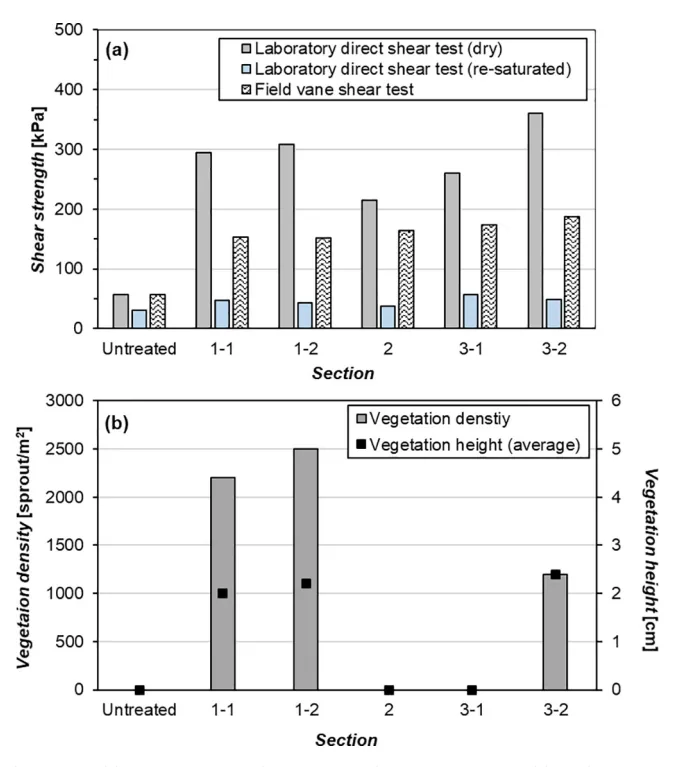
Fig. 23. Field monitoring results after 100 days since BPST field application in Seosan, Korea. (a) Shear strength. (b) Surface vegetation growth behavior.
Vegetation growth promotion
Generally, plants require water for their growth and metabolic processes (e.g., photosynthesis); however, most water supplied to vegetation is lost through transpiration, guttation [220], and gravitational infiltration of soils with low water retention capacity [221]. In fact, excessive water drainage in sandy soils can result in scarcity of water around the root zone, hindering vegetation growth [222], and severe drought conditions are known to be a limiting factor for seedling survival and germination [211].
BPST improves water retention in soil due to the hydrophilic characteristic of biopolymer hydrogels, so attempts have been made to use biopolymers to promote the growth of plants [57,223,224]. Fig. 20 presents a laboratory vegetation growth experiment conducted by Chang et al. [57] that shows BPST promoting both seed germination and overall growth in cultured soil (Fig. 20a) and natural inorganic silty loam (ML) (Fig. 20b). Specifically, BPTSs show high water retention behavior even with loose particle composition (density), providing an appropriate environment for seed germination and the accompanying root penetration of vegetation in soils [57].
Discussion
Potential in situ applications of BPTS: Case study examples
Slope surface treatment using BPTS
As BPST shows sufficient effectiveness in soil erosion control [41,57,64,192,193], a recent study attempted to use BPST to control surface erosion in an earth-compacted embankment in the field.
For this BPST field application, biopolymer solutions and in situ soil were pressurized and sprayed using hydraulic (biopolymer solution) and pneumatic (in situ soil) pump equipment to form BPTS layers (thickness 15–20 cm) on embankment slope surfaces. In addition, vegetation seeds (Kentucky bluegrass, perennial ryegrass, tall fescue, and miscanthus) were sprayed on the BPTS layers to verify the growth behavior of vegetation on BPTS mixtures in the field. The pilot construction site (Seosan, Korea) was divided into three sections for different purposes (section 1: xanthan gum BPST for vegetation growth promotion; section 2: casein BPST for surface erosion control; section 3: xanthan gum-starch combined BPST for surface erosion control and weed mitigation), as shown in Fig. 21.
In situ implementation was conducted according to the procedure described in Fig. 22. Surface cleaning was performed by removing existing plants and flattening the slope surface with a backhoe (Fig. 22a). In situ soil was sieved to remove oversized aggregates, transferred to the hopper by a conveyor belt, and sprayed via pneumatic pressure using a
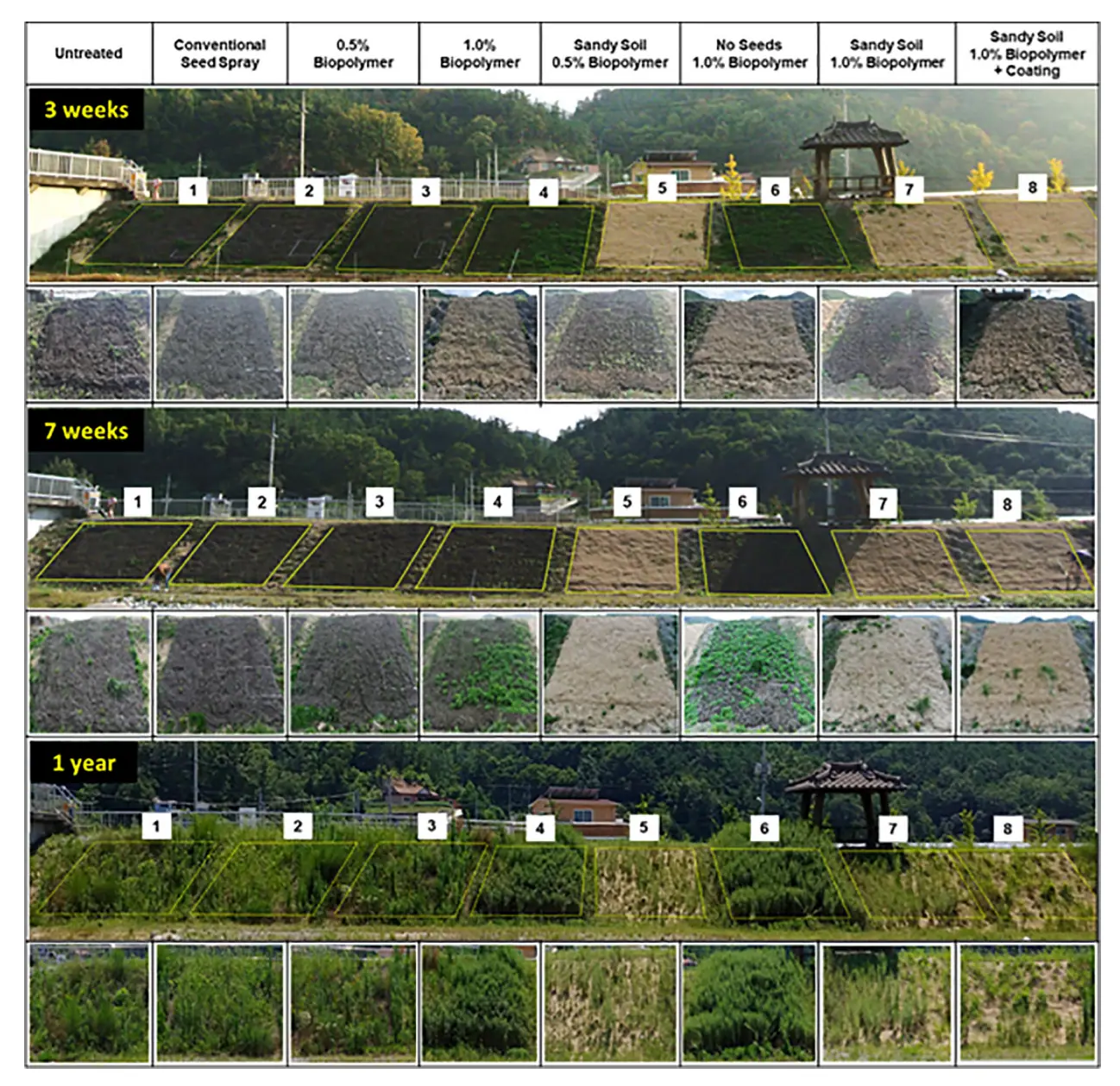
Fig. 24. Vegetation promotion effect of BPST embankment surface after 3 weeks, 7 weeks, and 1 year after site implementation (September 2017) in Andong, Korea.
high-pressure air compressor (Ingersoll Rand XP825) (Fig. 22b). Simultaneously, biopolymer was dissolved into water using an electric mixer (Bosch GBM 1600RE) to prepare a uniform biopolymer solution (Fig. 22c). Soils and biopolymer solutions were transported through separate pipes and sprayed by a dual-channel nozzle at the end (Fig. 22d). After soil-biopolymer spraying, seeds were uniformly seeded (25 g/m2 ) on the BPST surfaces. After completion of slope construction (Fig. 22e), some sections were coated with a secondary biopolymer spray to check the feasibility of multiple biopolymer spraying.
In situ monitoring was conducted after 100 days. Vegetation density was counted via site survey, while shear strengths were assessed via a field vane shear test (H-4212, Humboldt) and a laboratory direct shear test with undisturbed samples collected from the site. BPTS sections 1 through 3 (from Fig. 21) all showed increased shear strength (laboratory direct shear and field vane shear) compared to the untreated condition, as shown in Fig. 23a. Meanwhile, a significant increase of vegetation density (number of sprouts per unit area) was observed in the vegetation focused BPST sections (1–1 and 1–2) compared to the others (2 and 3–1) and the untreated condition (Fig. 23b).
Fig. 24 shows the in situ vegetation growth response of another BPST field application for embankment surface stabilization (Andong, Korea). Xanthan gum and starch-based biopolymer compounds were implemented via a wet-spraying method, and BPST was verified to induce high vegetation density and growth even a year after site implementation.
Earth stabilization using BPTS
A field implementation attempted to verify the feasibility of BPST in earth stabilization (pavement). A non-paved pedestrian trail (50 m long and 1 m wide) was planned to be established with BPTS mixtures onsite (Daejeon, Korea; Fig. 25a). The overall construction process followed: (1) site clearing (removing surface vegetation and top soil, followed by surface compaction (Fig. 25b)); (2) in situ soil, biopolymer (xanthan gum), and water mixing (Fig. 25c); (3) deposit of the BPTS mixture (10 cm thickness) on the target site (Fig. 25d); (4) compaction and surface leveling via vibrating compactor (Fig. 25e); and (5) completion (Fig. 25f).
The constructed BPTS pedestrian trail showed effective surface
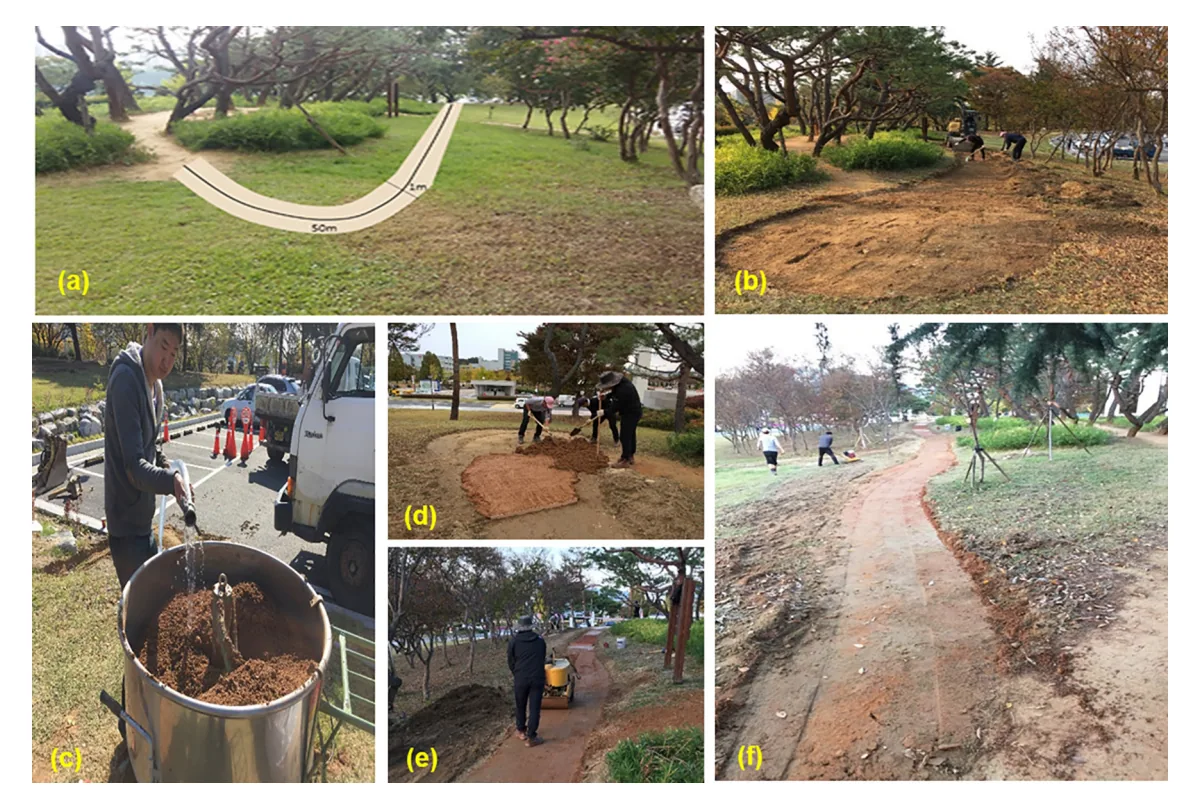
Fig. 25. Overall procedure of BPST implementation for earth surface stabilization (Daejeon, Korea; October 2015).
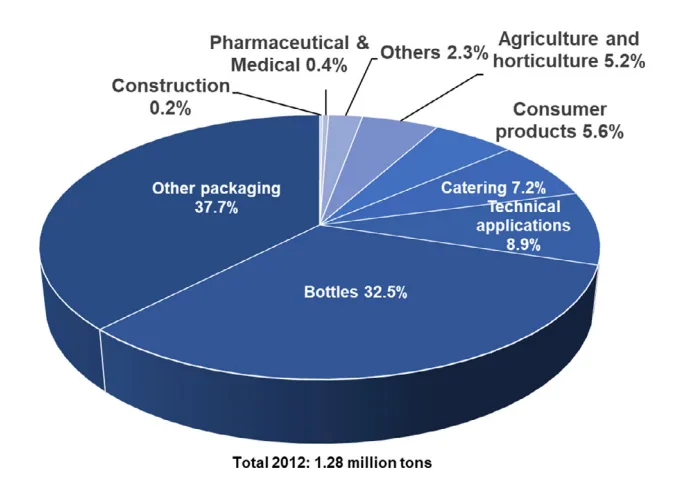
Fig. 26. Global biopolymer production and relevant market segments in 2012 [225,226].
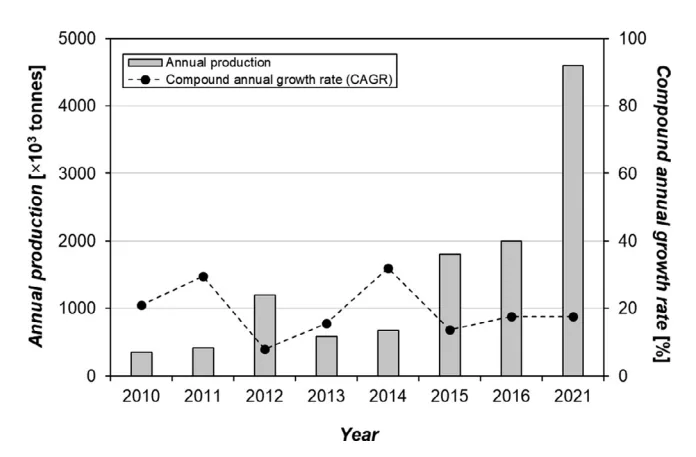
Fig. 27. Global biopolymer market (status and growth) [7,227,228].
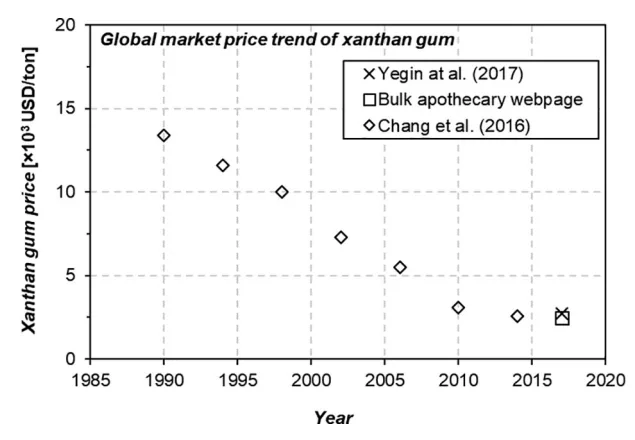
Fig. 28. Global market price of xanthan gum (1980–2020) [7,227,229]
stiffness (Young's modulus > 120 MPa, measured via H-4140 Humboldt GeoGauge) and high surface erosion resistance. However, this case study raised questions about the further development of biopolymer-specific field equipment and considered the rheological characteristics of biopolymers and biopolymer-soil mixtures in terms of facilitating construction effectiveness.
Environmental, economic, and social benefits of BPTS technology
Currently, biopolymers are economically less competitive than conventional soil binders such as cement. For instance, to treat a unit surface area (1 km2 ) with a 2.5 cm thick uniform soil-binder mixture (approximately 40 × 10³ tons of sand), a 0.5% BPST would cost between 600,000 USD (xanthan gum) to 9 million USD (β-glucan), while an ordinary 10% cement mixture would cost only 240,600 USD [57]. However, the expanded applications of biopolymers (e.g., medicine, cosmetics, food, farmland irrigation, construction, and geotechnical engineering), as shown in Fig. 26 [225,226], and the resultant increase in production (Fig. 27) are expected to gradually decrease the cost of biopolymers and improve the economic feasibility of BPST usage in construction and civil engineering [7,227,228]. Moreover, active application of BPST in these fields could also reduce the cost of biopolymers via mass production and the expansion of the global biopolymer market. For example, as shown in Fig. 28, while the price of xanthan gum in the 1960 s was about 30,000 USD/ton, it has drastically dropped to 1500–4000 USD/ton nowadays due to its broad usage in various industries [7,227,229].
BPST is a promising method not only for improving the geotechnical properties of soil in engineering but also for environmentally sound and sustainable development. The world population of 7.3 billion in 2015 is expected to reach 8.5 billion by 2030 [230], significantly increasing the burdens of food production to sustain human life. The use of BPST in arid and semi-arid regions can serve to improve water use efficiency and promote the development of agriculture to combat future global food shortages and scarcity [57].
Future challenges of BPST technology
One recent study showed that 80.1 tons of biopolymer are required to form a uniform 1 cm thick 0.5% biopolymer-soil mixture on a 1 km2 surface area [48]. Thus, the entire global biopolymer production in 2011 (0.4 million tons) could only treat 5,242 km2 ; however, the treated area could be 4 times larger in 2015 given the rapid growth of the biopolymer market. While the global biopolymer market is expected to grow by up to 4.6 million tons in 2021 (Fig. 27) [7,227,228], even this capacity would still cover only 0.7% of the Sahara. Therefore, it has been suggested that biopolymers be used as a supplement to enhance the efficiency and performance of pre-existing desertification countermeasures such as afforestation, windbreaks, and wind belts by enhancing soil erosion resistance and vegetation growth [57,141,231].
However, most studies have remained at the laboratory research level. Advanced studies are required to develop in situ implementation methods, design criteria and relevant quality control guidelines, and ensure the durability and reliability of BPST under real environmental circumstances. Moreover, as most biopolymers are hydrophilic and easily adsorb water and swell to hydrogels, there is a concern that BPST might lead to severe swelling and poor drainage due to biopolymerinduced pore clogging. Thus, BPST application must be used with cautious consideration of the site condition (e.g., location of the ground water table) and construction purpose.
Conclusions
BPST has been introduced in the fields of construction and geotechnical engineering, with biopolymers serving as binders for soil treatment and ground improvement, and numerous studies have been conducted to verify its engineering and economic feasibility. Biopolymers such as agar gum, guar gum, gellan gum, dextran, βglucan, xanthan gum, chitosan, starch, and casein have been commonly studied. Current findings show the following geotechnical engineering responses of BPST:
-
Strength BPST significantly enhances the strength of soils, mostly through the improvement of interparticle cohesion rather than altering the friction angle of the soil. For instance, BPST induces a significant UCS (200 kPa–12.6 MPa) and cohesion (40–235 kPa) increase, while friction angle shows less variation depending on soil type, biopolymer type, biopolymer content, and moisture condition. The dehydration of hydrogels renders higher soil strength than in submerged or saturated conditions.
-
Consistency BPST generally increases the liquid limit of soils due to the water adsorption and enhanced pore-fluid viscosity via biopolymer hydrogel formation, resulting in an increase of undrained shear strength.
-
Erosion resistance As BPST enhances the interparticle cohesion and undrained shear strength of soils, biopolymer treatment shows sufficient reduction in severe surface erosion and land degradation in arid, semi-arid, and highly degradable regions.
-
Ground water control Most hydrophilic biopolymers show high water-holding capacity, resulting in the improved water retention behavior of BPTSs. However, swelled biopolymer hydrogels induce pore clogging, which significantly reduces the hydraulic conductivity of soils. For instance, BPST reduces the hydraulic conductivity of sand by the order of 10–4 depending on biopolymer type and content.
-
Ground improvement The strengthening and hydraulic conductivity control characteristics of BPST have advantages in ground improvement. For instance, biopolymers can become a grouting material, as numerous studies show biopolymer grout materials to be adequate in terms of ground permeability control and site workability.
-
Sustainability Most biopolymers are environmentally friendly because they are mostly microbial hydrocarbons with low CO2 footprints compared to conventional soil binders. Moreover, recent studies show that BPST promotes seed germination and the growth of vegetation in soil, which becomes another benefit in terms of sustainability.
Given all of the above, biopolymers are expected to become a new, environmentally friendly material for civil and geotechnical engineering. Current field implementations indicate the feasibility and promising potential of biopolymer usage in slope surface protection and earth stabilization. However, while biopolymers show more benefits, further research is required to narrow the gap between laboratory studies and field implementation. In addition, construction equipment must be developed or modified in consideration of the chemical rheology of biopolymers.
Declaration of Competing Interest
The authors declare that they have no known competing financial interests or personal relationships that could have appeared to influence the work reported in this paper.
Acknowledgement
The research described in this paper was financially supported by Korea Ministry of Land, Infrastructure and Transport (MOLIT) as the Water Management Research Program (20AWMP-B114119-05) and Construction Technology Research Program (20SCIP-B105148-06). The second and sixth author were supported by student scholarship of MOLIT as Innovative Talent Education Program for Smart City. A Special Research Grants Program (UNSW PS51230) funded by the University of New South Wales (UNSW) Canberra also supported this research.
References
-
[1] DeJong JT, Mortensen BM, Martinez BC, Nelson DC. Bio-mediated soil improvement. Ecol Eng 2010;36:197–210. https://doi.org/10.1016/j.ecoleng.2008.12. 029.
-
[2] Han J. Principles and practice of ground improvement. Hoboken, New Jersey: John Wiley & Sons, Inc.; 2015.
-
[3] Makusa GP. Soil stabilization methods and materials in engineering practice: State of the art review. Lulea tekniska universitet 2013:1–35.
-
[4] Karol RH. Chemical Grouting and Soil Stabilization. third ed., revised, and expanded ed. New York: Marcel Dekker, Inc.; 2003.
-
[5] Chu J, Varaksin S, Klotz U, Mengé P. Construction processes: State-of-the-art report. In 17th International conference on soil mechanics and geotechnical engineering, Alexandria, Egypt; 2009, p. 3006–135.
-
[6] Kim A-R, Chang I, Cho G-C, Shim S-H. Strength and dynamic properties of cementmixed Korean marine clays. KSCE J Civ Eng 2018;22:1150–61. https://doi.org/10. 1007/s12205-017-1686-3.
-
[7] Chang I, Im J, Cho GC. Introduction of microbial biopolymers in soil treatment for future environmentally-friendly and sustainable geotechnical engineering. Sustainability 2016;8:251. https://doi.org/10.3390/su8030251.
-
[8] Metz B, Davidson O, Coninck Hd, Loos M, Meyer L. Carbon dioxide capture and storage. New York: Intergovernmental Panel on Climate Change; 2005.
-
[9] Oss HGV. Cement statistics and information. Reston, VA: US Geological Survey; 2014.
-
[10] Worrell E, Price L, Martin N, Hendriks C, Meida LO. Carbon dioxide emissions from the global cement industry. Annu Rev Energy Env 2001;26:303–29. https://doi. org/10.1146/annurev.energy.26.1.303.
-
[11] Gallipoli D, Bruno AW, Perlot C, Mendes J. A geotechnical perspective of raw earth building. Acta Geotech 2017;12:463–78. https://doi.org/10.1007/s11440-016- 0521-1.
-
[12] Lentz RD, Sojka RE. Field results using polyacrylamide to manage furrow erosion and infiltration. Soil Sci 1994;158:274–82.
-
[13] Sojka RE, Bjorneberg DL, Entry JA, Lentz RD, Orts WJ. Polyacrylamide in Agriculture and Environmental Land Management. In: Sparks DL, editor. Advances in Agronomy. Academic Press; 2007. p. 75–162.
-
[14] Roa-Espinosa A, Bubenzer G, Miyashita E. Sediment and runoff control on construction sites using four application methods of polyacrylamide mix. In National Conference on Tools for Urban Water Resource Management and Protection, Chicago, U.S.A; 2000, p. 278–83.
-
[15] Orts W, Roa-Espinosa A, Sojka R, Glenn G, Imam S, Erlacher K, et al. Use of synthetic polymers and biopolymers for soil stabilization in agricultural, construction, and military applications. J Mater Civ Eng 2007;19:58–66. https://doi. org/10.1061/(ASCE)0899-1561(2007)19:1(58).
-
[16] Dearfield KL, Abernathy CO, Ottley MS, Brantner JH, Hayes PF. Acrylamide: its metabolism, developmental and reproductive effects, genotoxicity, and carcinogenicity. Mutat Res/Rev Gen Toxicol 1988;195:45–77. https://doi.org/10.1016/ 0165-1110(88)90015-2.
-
[17] Smith EA, Oehme FW. Acrylamide and polyacrylamide: a review of production, use, environmental fate and neurotoxicity. Rev Environ Health 1991;9:215–28. https://doi.org/10.1515/reveh.1991.9.4.215.
-
[18] LoPachin RM, Schwarcz AI, Gaughan CL, Mansukhani S, Das S. In vivo and in vitro effects of acrylamide on synaptosomal neurotransmitter uptake and release. Neurotoxicology 2004;25:349–63. https://doi.org/10.1016/S0161-813X(03) 00149-9.
-
[19] Sheng Q, Zou H-C, Lü Z-R, Zou F, Park Y-D, Yan Y-B, et al. Effects of acrylamide on the activity and structure of human brain creatine kinase. Int J Mol Sci 2009;10:4210–22. https://doi.org/10.3390/ijms10104210.
-
[20] Besaratinia A, Pfeifer GP. DNA adduction and mutagenic properties of acrylamide. Mutat Res/Rev Gen Toxicol 2005;580:31–40. https://doi.org/10.1016/j. mrgentox.2004.10.011.
-
[21] Rudén C. Acrylamide and cancer risk—expert risk assessments and the public debate. Food Chem Toxicol 2004;42:335–49. https://doi.org/10.1016/j.fct.2003. 10.017.
-
[22] Christensen LH, Breiting VB, Aasted A, Jørgensen A, Kebuladze I. Long-term effects of polyacrylamide hydrogel on human breast tissue. Plast Reconstr Surg
-
2003;111:1883–90. https://doi.org/10.1097/01.prs.0000056873.87165.5a. [23] Igisu H, Goto I, Kawamura Y, Kato M, Izumi K. Acrylamide encephaloneuropathy due to well water pollution. J Neurol Neurosurg Psychiatry 1975;38:581–4. https://doi.org/10.1136/jnnp.38.6.581.
-
[24] Stocks-Fischer S, Galinat JK, Bang SS. Microbiological precipitation of CaCO3. Soil Biol Biochem 1999;31:1563–71. https://doi.org/10.1016/S0038-0717(99) 00082-6.
-
[25] Gordon RE, Haynes WC, Pang CH-N, Smith NR. The genus Bacillus. Washington: Agricultural Research Service, U.S. Dept. of Agriculture; 1973.
-
[26] Cabalar AF, Karabash Z, Erkmen O. Stiffness of a biocemented sand at small strains. European Journal of Environmental and Civil Engineering 2018;22:1238–56. https://doi.org/10.1080/19648189.2016.1248791.
-
[27] Bachmeier KL, Williams AE, Warmington JR, Bang SS. Urease activity in microbiologically-induced calcite precipitation. Journal of Biotechnology & Biomaterials 2002;93:171–81. https://doi.org/10.1016/S0168-1656(01)00393-5.
-
[28] Bang S, Lippert J, Yerra U, Mulukutla S, Ramakrishnan V. Microbial calcite, a biobased smart nanomaterial in concrete remediation. Int J Smart Nano Mater 2010;1:28–39. https://doi.org/10.1080/19475411003593451.
-
[29] Bang SS, Galinat JK, Ramakrishnan V. Calcite precipitation induced by polyurethane-immobilized Bacillus pasteurii. Enzyme Microb Technol 2001;28:404–9. https://doi.org/10.1016/S0141-0229(00)00348-3.
-
[30] Ramachandran SK, Ramakrishnan V, Bang SS. Remediation of concrete using micro-organisms. ACI Mater J 2001;98:3–9. https://doi.org/10.14359/10154.
-
[31] Van Paassen LA. Biogrout, ground improvement by microbial induced carbonate precipitation. Ph. D. Thesis. Department of biotechnology: TU Delft; 2009.
-
[32] Umar M, Kassim KA, Chiet KTP. Biological process of soil improvement in civil engineering: A review. J Rock Mech Geotech Eng 2016;8:767–74. https://doi.org/ 10.1016/j.jrmge.2016.02.004.
-
[33] Mortensen B, Haber M, DeJong J, Caslake L, Nelson D. Effects of environmental factors on microbial induced calcium carbonate precipitation. J Appl Microbiol 2011;111:338–49. https://doi.org/10.1111/j.1365-2672.2011.05065.x.
-
[34] Lin H, Suleiman MT, Brown DG. Behavior of Biofilm-Treated Sand. In IFCEE 2018: Recent Developements in Geotechnical Engineering Practice; 2018, p. 1–11.
-
[35] Rong H, Qian C, Wang R. A cementation method of loose particles based on microbe-based cement. Sci China Technol Sci 2011;54:1722–9. https://doi.org/10. 1007/s11431-011-4408-y.
-
[36] Yasuhara H, Neupane D, Hayashi K, Okamura M. Experiments and predictions of physical properties of sand cemented by enzymatically-induced carbonate
-
precipitation. Soils Found 2012;52:539–49. https://doi.org/10.1016/j.sandf.2012. 05.011.
-
[37] Pham V, Paassen Lv, Nakano A, Kanayama M, Heimovaara T. Microbially induced carbonate precipitation (MICP) by denitrification as ground improvement method - Process control in sand column experiments. In EGU General Assembly, Vienna, Austria; 2013, p. 15.
-
[38] Al Qabany A, Soga K, Santamarina C. Factors affecting efficiency of microbially induced calcite precipitation. J Geotech Geoenviron Eng 2012;138:992–1001. https://doi.org/10.1061/(ASCE)GT.1943-5606.0000666.
-
[39] Lentz RD. Polyacrylamide and biopolymer effects on flocculation, aggregate stability, and water seepage in a silt loam. Geoderma 2015;241:289–94. https://doi. org/10.1016/j.geoderma.2014.11.019.
-
[40] Gupta BS, Ako JE. Application of guar gum as a flocculant aid in food processing and potable water treatment. Eur Food Res Technol 2005;221:746–51. https://doi. org/10.1007/s00217-005-0056-4.
-
[41] Orts WJ, Sojka RE, Glenn GM. Biopolymer additives to reduce erosion-induced soil losses during irrigation. Ind Crops Prod 2000;11:19–29. https://doi.org/10.1016/ S0926-6690(99)00030-8.
-
[42] Cabalar AF, Awraheem MH, Khalaf MM. Geotechnical properties of a low-plasticity clay with biopolymer. J Mater Civ Eng 2018;30:04018170. https://doi.org/ 10.1061/(ASCE)MT.1943-5533.0002380.
-
[43] Jamshidian M, Tehrany EA, Imran M, Jacquot M, Desobry S. Poly-lactic acid: Production, applications, nanocomposites, and release studies. Compr Rev Food Sci Food Saf 2010;9:552–71. https://doi.org/10.1111/j.1541-4337.2010.00126.x.
-
[44] Mudgil D, Barak S, Khatkar BS. Guar gum: processing, properties and food applications—a review. J Food Sci Technol 2014;51:409–18. https://doi.org/10.1007/ s13197-011-0522-x.
-
[45] Osmałek T, Froelich A, Tasarek S. Application of gellan gum in pharmacy and medicine. Int J Pharm 2014;466:328–40. https://doi.org/10.1016/j.ijpharm. 2014.03.038.
-
[46] Chang I, Cho G-C. Shear strength behavior and parameters of microbial gellan gum-treated soils: from sand to clay. Acta Geotech 2019;14:361–75. https://doi. org/10.1007/s11440-018-0641-x.
-
[47] Latifi N, Horpibulsuk S, Meehan CL, Majid MZA, Tahir MM, Mohamad ET. Improvement of problematic soils with biopolymer - An environmentally friendly soil stabilizer. J Mater Civ Eng 2017;29:04016204. https://doi.org/10.1061/ (ASCE)MT.1943-5533.0001706.
-
[48] Chang I, Prasidhi AK, Im J, Cho G-C. Soil strengthening using thermo-gelation biopolymers. Constr Build Mater 2015;77:430–8. https://doi.org/10.1016/j. conbuildmat.2014.12.116.
-
[49] Chang I, Im J, Prasidhi AK, Cho G-C. Effects of xanthan gum biopolymer on soil strengthening. Constr Build Mater 2015;74:65–72. https://doi.org/10.1016/j. conbuildmat.2014.10.026.
-
[50] Chang I, Cho G-C. Strengthening of Korean residual soil with β-1,3/1,6-glucan biopolymer. Constr Build Mater 2012;30:30–5. https://doi.org/10.1016/j. conbuildmat.2011.11.030.
-
[51] Cabalar Ali Firat, Canakci Hanifi. Direct shear tests on sand treated with xanthan gum. Proc Instit Civ Eng - Ground Improv 2011;164(2):57–64. https://doi.org/10. 1680/grim.800041.
-
[52] Khachatoorian R, Petrisor IG, Kwan C-C, Yen TF. Biopolymer plugging effect: laboratory-pressurized pumping flow studies. J Petrol Sci Eng 2003;38:13–21. https://doi.org/10.1016/S0920-4105(03)00019-6.
-
[53] Zemmouri H, Drouiche M, Sayeh A, Lounici H, Mameri N. Chitosan Application for Treatment of Beni-Amrane's Water Dam. Energy Procedia 2013;36:558–64. https://doi.org/10.1016/j.egypro.2013.07.064.
-
[54] Chang I, Im J, Cho G-C. Geotechnical engineering behaviors of gellan gum biopolymer treated sand. Can Geotech J 2016;53:1658–70. https://doi.org/10.1139/ cgj-2015-0475.
-
[55] Kwon Y-M, Ham S-M, Kwon T-H, Cho G-C, Chang I. Surface-erosion behaviour of biopolymer-treated soils assessed by EFA. Géotech Lett 2020;10:1–7. https://doi. org/10.1680/jgele.19.00106.
-
[56] Ham S-M, Chang I, Noh D-H, Kwon T-H, Muhunthan B. Improvement of surface erosion resistance of sand by microbial biopolymer formation. J Geotech Geoenviron Eng 2018;144:06018004. https://doi.org/10.1061/(ASCE)GT.1943- 5606.0001900.
-
[57] Chang I, Prasidhi AK, Im J, Shin H-D, Cho G-C. Soil treatment using microbial biopolymers for anti-desertification purposes. Geoderma 2015;253–254:39–47. https://doi.org/10.1016/j.geoderma.2015.04.006.
-
[58] Larson S, Newman JK, Connor GO, Griggs C, Martin A, Nijak G, et al. Biopolymer as an Alternative to Petroleum-based Polymers to Control Soil Erosion: Iowa Army Ammunition Plant. Alexandria, Virginia, USA: Environmental Security Technology Certification Program; 2013.
-
[59] Nugent RA, Zhang G, Gambrell RP. The effects of exopolymers on the erosional resistance of cohesive sediments. In International Conference on Scour and Erosion, Virginia, U.S.A; 2010, p. 162–71.
-
[60] Orts WJ, Sojka RE, Glenn GM, Gross RA. Biopolymer Additives for the Reduction of Soil Erosion Losses during Irrigation. Biopolymers from Polysaccharides and Agroproteins. American Chemical Society; 2001. p. 102–16.
-
[61] Miękoś E, Zieliński M, Kołodziejczyk K, Jaksender M. Application of industrial and biopolymers waste to stabilise the subsoil of road surfaces. Road Mater Pavement Des 2017:1–14. https://doi.org/10.1080/14680629.2017.1389766.
-
[62] Chen R, Lee I, Zhang L. Biopolymer stabilization of mine tailings for dust control. J Geotech Geoenviron Eng 2015;141:04014100. https://doi.org/10.1061/ (ASCE)GT.1943-5606.0001240.
-
[63] Maghchiche A, Haouam A, Immirzi B. Use of polymers and biopolymers for water retaining and soil stabilization in arid and semiarid regions. Journal of Taibah
-
University for Science 2010;4:9–16. https://doi.org/10.1016/S1658-3655(12) 60022-3.
-
[64] Kavazanjian E, Iglesias E, Karatas I. Biopolymer soil stabilization for wind erosion control. In The 17th International Conference on Soil Mechanics and Geotechnical Engineering, Alexandria, Egypt; 2009, p. 881–84.
-
[65] Renault F, Sancey B, Badot PM, Crini G. Chitosan for coagulation/flocculation processes – An eco-friendly approach. Eur Polym J 2009;45:1337–48. https://doi. org/10.1016/j.eurpolymj.2008.12.027.
-
[66] Ruhsing Pan J, Huang C, Chen S, Chung Y-C. Evaluation of a modified chitosan biopolymer for coagulation of colloidal particles. Colloids Surf, A 1999;147:359–64. https://doi.org/10.1016/S0927-7757(98)00588-3.
-
[67] Kwon Y-M, Im J, Chang I, Cho G-C. ε-polylysine biopolymer for coagulation of clay suspensions. Geomech Eng 2017;12:753–70. https://doi.org/10.12989/gae.2017. 12.5.753.
-
[68] Aguilar R, Nakamatsu J, Ramírez E, Elgegren M, Ayarza J, Kim S, et al. The potential use of chitosan as a biopolymer additive for enhanced mechanical properties and water resistance of earthen construction. Constr Build Mater 2016;114:625–37. https://doi.org/10.1016/j.conbuildmat.2016.03.218.
-
[69] DeJong JT, Soga K, Kavazanjian E, Burns S, Paassen LAV, Qabany AA, et al. Biogeochemical processes and geotechnical applications: progress, opportunities and challenges. Géotechnique 2013;63:287–301. https://doi.org/10.1680/geot. SIP13.P.017.
-
[70] Chang I, Kwon Y-M, Im J, Cho G-C. Soil consistency and interparticle characteristics of xanthan gum biopolymer–containing soils with pore-fluid variation. Can Geotech J 2019;56:1206–13. https://doi.org/10.1139/cgj-2018-0254.
-
[71] Araki C. Some recent studies on the polysaccharides of agarophytes. In Proceedings of the Fifth International Seaweed Symposium, Halifax, Canada; 1966, p. 3–17.
-
[72] Imeson A. Food stabilisers, thickeners and gelling agents. Chichester, U.K.: John Wiley & Sons; 2010.
-
[73] Arnott S, Fulmer A, Scott WE, Dea ICM, Moorhouse R, Rees DA. The agarose double helix and its function in agarose gel structure. J Mol Biol 1974;90:269–84. https://doi.org/10.1016/0022-2836(74)90372-6.
-
[74] Laurienzo P. Marine polysaccharides in pharmaceutical applications: an overview. Mar Drugs 2010;8:2435–65. https://doi.org/10.3390/md8092435.
-
[75] Nakano M, Nakamura Y, Takikawa K, Kouketsu M, Arita T. Sustained release of sulphamethizole from agar beads. J Pharm Pharmacol 1979;31:869–72. https:// doi.org/10.1111/j.2042-7158.1979.tb13688.x.
-
[76] Dumitriu S. Polymeric biomaterials. 2nd ed. New York, U.S.A: Marcel Dekker, Inc.; 2002.
-
[77] Adachi M, Watanabe S. Evaluation of combined deactivators-supplemented agar medium (CDSAM) for recovery of dermatophytes from patients with tinea pedis. Med Mycol 2007;45:347–9. https://doi.org/10.1080/13693780601186531.
-
[78] Smitha S, Sachan A. Use of agar biopolymer to improve the shear strength behavior of sabarmati sand. Int J Geotech Eng 2016;10:387–400. https://doi.org/10. 1080/19386362.2016.1152674.
-
[79] Khatami H, O'Kelly B. Improving mechanical properties of sand using biopolymers. J Geotech Geoenviron Eng 2012;139:1402–6. https://doi.org/10.1061/(ASCE)GT. 1943-5606.0000861.
-
[80] Nussinovitch A. Hydrocolloid applications: gum technology in the food and other industries. London, U.K.: Chapman & Hall; 1997.
-
[81] Risica D, Dentini M, Crescenzi V. Guar gum methyl ethers. Part I. Synthesis and macromolecular characterization. Polymer 2005;46:12247–55. https://doi.org/ 10.1016/j.polymer.2005.10.083.
-
[82] Chen R, Zhang L, Budhu M. Biopolymer stabilization of mine tailings. J Geotech Geoenviron Eng 2013;139:1802–7. https://doi.org/10.1061/(ASCE)GT.1943- 5606.0000902.
-
[83] Chudzikowski R. Guar gum and its applications. J Soc Cosmet Chem 1971;22:43–60.
-
[84] Whistler RL, Hymowitz T. Guar: agronomy, production, industrial use, and nutrition. Purdue University Press.; 1979.
-
[85] Khullar P, Khar RK, Agarwal SP. Evaluation of guar gum in the preparation of sustained-release matrix tablets. Drug Dev Ind Pharm 1998;24:1095–9. https:// doi.org/10.3109/03639049809089955.
-
[86] Krishanaiah Y, Latha K, Rao LN, Karthikeyan R, Bhaskar P, Satyanarayana V. Development of colon targeted oral guar gum matrix tablets of Albendazole for the treatment of helminthiasis. Ind J Pharmaceut Sci 2003;65:378.
-
[87] Chourasia M, Jain S. Potential of guar gum microspheres for target specific drug release to colon. J Drug Target 2004;12:435–42. https://doi.org/10.1080/ 10611860400006604.
-
[88] Krishnaiah Y, Seetha Devi A, Nageswara Rao L, Bhaskar Reddy P, Karthikeyan R. V. Satyanarayana. Guar gum as a carrier for colon specific delivery; influence of metronidazole and tinidazole on in vitro release of albendazole from guar gum matrix tablets. J Pharm Pharm Sci 2001;4:235–43.
-
[89] Gupta SC, Hooda K, Mathur N, Gupta S. Tailoring of guar gum for desert sand stabilization. Indian J Chem Technol 2009;16:507–12.
-
[90] Acharya R, Pedarla A, Bheemasetti TV, Puppala AJ. Assessment of guar gum biopolymer treatment toward mitigation of desiccation cracking on slopes built with expansive soils. Transp Res Rec 2017;2657:78–88. https://doi.org/10.3141/ 2657-09.
-
[91] Puppala AJ, Pedarla A. Innovative ground improvement techniques for expansive soils. Innov Infrastruct Solut 2017;2:24. https://doi.org/10.1007/s41062-017- 0079-2.
-
[92] Velimirovic M, Tosco T, Uyttebroek M, Luna M, Gastone F, De Boer C, et al. Field assessment of guar gum stabilized microscale zerovalent iron particles for in-situ remediation of 1,1,1-trichloroethane. J Contam Hydrol 2014;164:88–99. https://
-
[93] Day SR, O'Hannesin SF, Marsden L. Geotechnical techniques for the construction of reactive barriers. J Hazard Mater 1999;67:285–97. https://doi.org/10.1016/ s0304-3894(99)00044-8.
-
[94] Giavasis I, Harvey LM, McNeil B. Gellan gum. Crit Rev Biotechnol 2000;20:177–211. https://doi.org/10.1080/07388550008984169.
-
[95] Stokke BT, Elgsaeter A, Kitamura S. Macrocyclization of polysaccharides visualized by electron microscopy. Int J Biol Macromol 1993;15:63–8. https://doi.org/10. 1016/S0141-8130(05)80090-X.
-
[96] Chandrasekaran R, Radha A. Molecular architectures and functional properties of gellan gum and related polysaccharides. Trends Food Sci Technol 1995;6:143–8. https://doi.org/10.1016/S0924-2244(00)89022-6.
-
[97] Yuguchi Y, Mimura M, Kitamura S, Urakawa H, Kajiwara K. Structural characteristics of gellan in aqueous solution. Food Hydrocolloids 1993;7:373–85. https://doi.org/10.1016/S0268-005X(09)80233-6.
-
[98] Chang I, Im J, Lee S-W, Cho G-C. Strength durability of gellan gum biopolymertreated Korean sand with cyclic wetting and drying. Constr Build Mater 2017;143:210–21. https://doi.org/10.1016/j.conbuildmat.2017.02.061.
-
[99] Myriam N, An C, Wim S. Leuconostoc dextransucrase and dextran: production, properties and applications. J Chem Technol Biotechnol 2005;80:845–60. https:// doi.org/10.1002/jctb.1322.
-
[100] Ioan CE, Aberle T, Burchard W. Structure properties of dextran. 2. Dilute solution. Macromolecules 2000;33:5730–9. https://doi.org/10.1021/ma000282n.
-
[101] Tanford C. Physical chemistry of macromolecules. New York, U.S.A: Wiley; 1961.
-
[102] Kaplan DL. Introduction to biopolymers from renewable resources. Biopolymers from renewable resources. Verlag Berlin Heidelberg, Germany: Springer; 1998, p. 1–29.
-
[103] Bouhadir KH, Lee KY, Alsberg E, Damm KL, Anderson KW, Mooney DJ. Degradation of partially oxidized alginate and its potential application for tissue engineering. Biotechnol Prog 2001;17:945–50. https://doi.org/10.1021/ bp010070p.
-
[104] Lévesque SG, Lim RM, Shoichet MS. Macroporous interconnected dextran scaffolds of controlled porosity for tissue-engineering applications. Biomaterials 2005;26:7436–46. https://doi.org/10.1016/j.biomaterials.2005.05.054.
-
[105] Ahmad S, Tester RF, Corbett A, Karkalas J. Dextran and 5-aminosalicylic acid (5- ASA) conjugates: synthesis, characterisation and enzymic hydrolysis. Carbohydr Res 2006;341:2694–701. https://doi.org/10.1016/j.carres.2006.08.015.
-
[106] Jeans ERA, Marshall PJ, Lowe CR. Plasma protein fractionation. Trends Biotechnol 1985;3:267–71. https://doi.org/10.1016/0167-7799(85)90027-7.
-
[107] Eliasson A-C. Carbohydrates in food. third ed. Florida, U.S.A: CRC Press; 2017.
-
[108] Blanshard JMV, Mitchell JR. Polysaccharides in food. Oxford, U.K.: Butterworth-Heinemann; 1979.
-
[109] Fechner A, Knoth A, Scherze I, Muschiolik G. Stability and release properties of double-emulsions stabilised by caseinate–dextran conjugates. Food Hydrocolloids 2007;21:943–52. https://doi.org/10.1016/j.foodhyd.2006.10.021.
-
[110] Bryant RS, Burchfield TE. Review of microbial technology for improving oil recovery. SPE-16646-PA 1989;4:151–4. https://doi.org/10.2118/16646-PA.
-
[111] Bao M, Kong X, Jiang G, Wang X, Li X. Laboratory study on activating indigenous microorganisms to enhance oil recovery in Shengli oilfield. J Petrol Sci Eng 2009;66:42–6. https://doi.org/10.1016/j.petrol.2009.01.001.
-
[112] Pini R, Canarutto S, Guidi GV. Soil microaggregation as influenced by uncharged organic conditioners. Commun Soil Sci Plant Anal 1994;25:2215–29. https://doi. org/10.1080/00103629409369183.
-
[113] Emerson WW, Greenland DJ. Soil Aggregates — Formation and Stability. In: De Boodt MF, Hayes MHB, Herbillon A, De Strooper EBA, Tuck JJ, editors. Soil Colloids and Their Associations in Aggregates. Boston, MA: Springer, US; 1990. p. 485–511.
-
[114] Bartoli F, Philippy R, Burtin G. Aggregation in soils with small amounts of swelling clays. I. Aggregate stability. J Soil Sci 1988;39:593–616. https://doi.org/10.1111/ j.1365-2389.1988.tb01243.x.
-
[115] Chenu C. Clay- or sand-polysaccharide associations as models for the interface between micro-organisms and soil: water related properties and microstructure. Geoderma 1993;56:143–56. https://doi.org/10.1016/0016-7061(93)90106-U.
-
[116] Ham S, Kwon T, Chang I, Chung M. Ultrasonic P-wave reflection monitoring of soil erosion for erosion function apparatus. Geotech Test J 2016;39:301–14. https:// doi.org/10.1520/GTJ20150040.
-
[117] Bohn JA, BeMiller JN. (1→3)-β-d-Glucans as biological response modifiers: a review of structure-functional activity relationships. Carbohydr Polym 1995;28:3–14. https://doi.org/10.1016/0144-8617(95)00076-3.
-
[118] A. Misaki, Y. Sone, M. Mitsuhashi, T. Miyake. Beta-D-glucan, and its production and uses. European Patent (EP0236124A3); 1990.
-
[119] Zhu F, Du B, Bian Z, Xu B. Beta-glucans from edible and medicinal mushrooms: characteristics, physicochemical and biological activities. J Food Compos Anal 2015;41:165–73. https://doi.org/10.1016/j.jfca.2015.01.019.
-
[120] Lazaridou A, Biliaderis CG. Molecular aspects of cereal beta-glucan functionality: Physical properties, technological applications and physiological effects. J Cereal Sci 2007;46:101–18. https://doi.org/10.1016/j.jcs.2007.05.003.
-
[121] Maier T, Huber K, Rau U, Schilling B. Scleroglucans and cosmetic composition containing the new compounds. United States Patent (US6162449A); 2000.
-
[122] Plank J. Part 10. General Aspects and Special Applications. Applications of Biopolymers in Construction Engineering. Weinhiem, Germany: Wiley-VCH Verlag GmbH & Co. KGaA; 2005.
-
[123] Caenn R, Chillingar GV. Drilling fluids: State of the art. J Petrol Sci Eng 1996;14:221–30. https://doi.org/10.1016/0920-4105(95)00051-8.
-
[124] Baba Hamed S, Belhadri M. Rheological properties of biopolymers drilling fluids. J Petrol Sci Eng 2009;67:84–90. https://doi.org/10.1016/j.petrol.2009.04.001.
-
[125] Survase SA, Saudagar PS, Bajaj IB, Singhal RS. Scleroglucan: fermentative production, downstream processing and applications. Food Technol Biotechnol 2007;45:107–18.
-
[126] Pierre C, Demangeon F, Yves H. Bituminous binder emulsion with a viscosity controlled by addition of scleroglucan. United States Patent (US5246986A); 1993.
-
[127] Chenu C. Influence of a fungal polysaccharide, scleroglucan, on clay microstructures. Soil Biol Biochem 1989;21:299–305. https://doi.org/10.1016/0038- 0717(89)90108-9.
-
[128] Harada T, Okuyama K, Konno A, Koreeda A, Harada A. Effect of Heating on Formation of Curdlan Gels. Carbohydr Polym 1994;24:101–6. https://doi.org/10. 1016/0144-8617(94)90018-3.
-
[129] Zhan X-B, Lin C-C, Zhang H-T. Recent advances in curdlan biosynthesis, biotechnological production, and applications. Appl Microbiol Biotechnol 2012;93:525–31. https://doi.org/10.1007/s00253-011-3740-2.
-
[130] Davis WB. Unique bacterial polysaccharide polymer gel in cosmetics, pharmaceuticals and foods. United States Patent (US5158772A); 1992.
-
[131] Takanabe H, Kiba A, Kodama K. Cosmetic composition. European Patent (EP0920851B1); 2001.
-
[132] Ivanov V, Stabnikov V. Bioclogging and biogrouts. Construction Biotechnology. Singapore: Springer; 2017. p. 139–78.
-
[133] D'Cunha NJ, Misra D, Thompson AM. Experimental investigation of the applications of natural freezing and curdlan biopolymer for permeability modification to remediate DNAPL contaminated aquifers in Alaska. Cold Reg Sci Technol 2009;59:42–50. https://doi.org/10.1016/j.coldregions.2009.05.005.
-
[134] Tanaka Y, Uryu T, Yaguchi M. Cement compositions containing a sulfated polysaccharide and method. United States Patent (US5573589A); 1996.
-
[135] Shin HD, Yang KJ, Park BR, Son CW, Jang HJ, Ku SK. Antiosteoporotic effect of Polycan, beta-glucan from Aureobasidium, in ovariectomized osteoporotic mice. Nutrition 2007;23:853–60. https://doi.org/10.1016/j.nut.2007.08.011.
-
[136] Chang I, Cho G-C. Geotechnical behavior of a beta-1,3/1,6-glucan biopolymertreated residual soil. Geomech Eng 2014;7:633–47. https://doi.org/10.12989/ gae.2014.7.6.633.
-
[137] Becker A, Katzen F, Pühler A, Ielpi L. Xanthan gum biosynthesis and application: a biochemical/genetic perspective. Appl Microbiol Biotechnol 1998;50:145–52. https://doi.org/10.1007/s002530051269.
-
[138] García-Ochoa F, Santos VE, Casas JA, Gómez E. Xanthan gum: production, recovery, and properties. Biotechnol Adv 2000;18:549–79. https://doi.org/10. 1016/S0734-9750(00)00050-1.
-
[139] Milas M, Rinaudo M. Conformational investigation on the bacterial polysaccharide xanthan. Carbohydr Res 1979;76:189–96. https://doi.org/10.1016/0008- 6215(79)80017-8.
-
[140] Butler M. Xanthan gum : applications and research studies. New York: Nova Science Publisher's, Inc.; 2016.
-
[141] Qureshi MU, Chang I, Al-Sadarani K. Strength and durability characteristics of biopolymer-treated desert sand. Geomech Eng 2017;12:785–801. https://doi.org/ 10.12989/gae.2017.12.5.785.
-
[142] Cabalar A, Wiszniewski M, Skutnik Z. Effects of Xanthan Gum Biopolymer on the Permeability, Odometer, Unconfined Compressive and Triaxial Shear Behavior of a Sand. Soil Mech Found Eng 2017;54:356–61. https://doi.org/10.1007/s11204- 017-9481-1.
-
[143] Lee S, Chang I, Chung M-K, Kim Y, Kee J. Geotechnical shear behavior of xanthan gum biopolymer treated sand from direct shear testing. Geomech Eng 2017;12:831–47. https://doi.org/10.12989/gae.2017.12.5.831.
-
[144] Im J, Tran ATP, Chang I, Cho G-C. Dynamic properties of gel-type biopolymertreated sands evaluated by Resonant Column (RC) tests. Geomech Eng 2017;12:815–30. https://doi.org/10.12989/gae.2017.12.5.815.
-
[145] Lee S, Im J, Cho G-C, Chang I. Laboratory triaxial test behavior of xanthan gum biopolymer-treated sands. Geomech Eng 2019;17:445–52. https://doi.org/10. 12989/gae.2019.17.5.445.
-
[146] Ayeldeen MK, Negm AM, El Sawwaf MA. Evaluating the physical characteristics of biopolymer/soil mixtures. Arabian J Geosci 2016;9:1–13. https://doi.org/10. 1007/s12517-016-2366-1.
-
[147] Bouazza A, Gates W, Ranjith P. Hydraulic conductivity of biopolymer-treated silty sand. Géotechnique 2009;59:71–2. https://doi.org/10.1680/geot.2007.00137.
-
[148] Hirano S, Kitaura S, Sasaki N, Sakaguchi H, Sugiyama M, Hashimoto K, et al. Chitin biodegradation and wound healing in tree bark tissues. J Environ Polym Degrad 1996;4:261–5. https://doi.org/10.1007/bf02070695.
-
[149] Linden JC, Stoner RJ, Knutson KW, Gardner-Hughes CA. Organic disease control elicitors. Agro Food Industry Hi-Tech 2000;11:32–4.
-
[150] Liu XD, Tokura S, Haruki M, Nishi N, Sakairi N. Surface modification of nonporous glass beads with chitosan and their adsorption property for transition metal ions. Carbohydr Polym 2002;49:103–8. https://doi.org/10.1016/S0144-8617(01) 00308-3.
-
[151] Cheung WH, Ng JCY, McKay G. Kinetic analysis of the sorption of copper(II) ions on chitosan. J Chem Technol Biotechnol 2003;78:562–71. https://doi.org/10. 1002/jctb.836.
-
[152] Chatterjee T, Chatterjee S, Lee DS, Lee MW, Woo SH. Coagulation of soil suspensions containing nonionic or anionic surfactants using chitosan, polyacrylamide, and polyaluminium chloride. Chemosphere 2009;75:1307–14. https://doi.org/10.1016/j.chemosphere.2009.03.012.
-
[153] Pan G, Zhang M-M, Chen H, Zou H, Yan H. Removal of cyanobacterial blooms in Taihu Lake using local soils. I. Equilibrium and kinetic screening on the flocculation of Microcystis aeruginosa using commercially available clays and minerals. Environ Pollut 2006;141:195–200. https://doi.org/10.1016/j.envpol.2005.08. 042.
-
[154] Darder M, Colilla M, Ruiz-Hitzky E. Chitosan–clay nanocomposites: application as
-
electrochemical sensors. Appl Clay Sci 2005;28:199–208. https://doi.org/10. 1016/j.clay.2004.02.009.
-
[155] Wang SF, Shen L, Tong YJ, Chen L, Phang IY, Lim PQ, et al. Biopolymer chitosan/ montmorillonite nanocomposites: Preparation and characterization. Polym Degrad Stab 2005;90:123–31. https://doi.org/10.1016/j.polymdegradstab.2005. 03.001.
-
[156] Chang I. Biopolymer treated Korean Residual Soil: Geotechnical behavior and Applications. Ph.D Thesis. Dept. of Civil and Environmental Engineering: Korea Advanced Institute of Science and Technology; 2010.
-
[157] Wang C-C, Juang L-C, Lee C-K, Hsu T-C, Lee J-F, Chao H-P. Effects of exchanged surfactant cations on the pore structure and adsorption characteristics of montmorillonite. J Colloid Interface Sci 2004;280:27–35. https://doi.org/10.1016/j. jcis.2004.07.009.
-
[158] Smidsrød O, Moe ST. Biopolymer Chemistry. Trondheim: Tapir Academic Press; 2008.
-
[159] Eliasson A-C. Starch in food: Structure, function and applications. Boca Raton, FL: CRC Press; 2004.
-
[160] Rodrigues A, Emeje M. Recent applications of starch derivatives in nanodrug delivery. Carbohydr Polym 2012;87:987–94. https://doi.org/10.1016/j.carbpol. 2011.09.044.
-
[161] Nachtergaele W. The Benefits of Cationic Starches for the Paper Industry. Starch - Stärke 1989;41:27–31. https://doi.org/10.1002/star.19890410108.
-
[162] Vishnuvarthanan M, Rajeswari N. Additives for enhancing the drying properties of adhesives for corrugated boards. Alexandria Engineering Journal 2013;52:137–40. https://doi.org/10.1016/j.aej.2012.10.002.
-
[163] Khalil M, Mohamed Jan B. Herschel-Bulkley rheological parameters of a novel environmentally friendly lightweight biopolymer drilling fluid from xanthan gum and starch. J Appl Polym Sci 2012;124:595–606. https://doi.org/10.1002/app. 35004.
-
[164] Reddy I, Seib PA. Paste properties of modified starches from partial waxy wheats. Cereal Chem 1999;76:341–9. https://doi.org/10.1094/CCHEM.1999.76.3.341.
-
[165] Lentz RD, Sojka RE, Carter DL, Shainberg I. Preventing irrigation furrow erosion with small applications of polymers. Soil Sci Soc Am J 1992;56:1926–32. https:// doi.org/10.2136/sssaj1992.03615995005600060046x.
-
[166] Chang I, Im J, Chung M-K, Cho G-C. Bovine casein as a new soil strengthening binder from diary wastes. Constr Build Mater 2018;160:1–9. https://doi.org/10. 1016/j.conbuildmat.2017.11.009.
-
[167] Semenova MG, Dickinson E, Burlakova EB, Zaikov GE. Biopolymers in food colloids : thermodynamics and molecular interactions. Leiden; Boston: Brill; 2010.
-
[168] Rose RK. Effects of an anticariogenic casein phosphopeptide on calcium diffusion in streptococcal model dental plaques. Arch Oral Biol 2000;45:569–75. https:// doi.org/10.1016/S0003-9969(00)00017-0.
-
[169] Fatehi H, Abtahi SM, Hashemolhosseini H, Hejazi SM. A novel study on using protein based biopolymers in soil strengthening. Constr Build Mater 2018;167:813–21. https://doi.org/10.1016/j.conbuildmat.2018.02.028.
-
[170] McAuliffe KW, Scotter DR, MacGregor AN, Earl KD. Casein Whey Wastewater Effects on Soil Permeability. J Environ Qual 1982;11:31–4. https://doi.org/10. 2134/jeq1982.00472425001100010009x.
-
[171] Sharma B, Bora P. Plastic limit, liquid limit and undrained shear strength of soil—Reappraisal. J Geotech Geoenviron Eng 2003;129:774–7. https://doi.org/ 10.1061/(ASCE)1090-0241(2003)129:8(774).
-
[172] Watts CW, Tolhurst TJ, Black KS, Whitmore AP. In situ measurements of erosion shear stress and geotechnical shear strength of the intertidal sediments of the experimental managed realignment scheme at Tollesbury, Essex, UK. Estuar Coast Shelf Sci 2003;58:611–20. https://doi.org/10.1016/S0272-7714(03)00139-2.
-
[173] Nugent RA, Zhang G, Gambrell RP. Effect of exopolymers on the liquid limit of clays and its engineering implications. Transp Res Rec 2009;2101:34–43. https:// doi.org/10.3141/2101-05.
-
[174] Das BM, Sobhan K. Principles of geotechnical engineering. 8th ed. Australia: Cengage Learning; 2014.
-
[175] Kulshreshtha Y, Schlangen E, Jonkers H, Vardon P, Van Paassen L. CoRncrete: A corn starch based building material. Constr Build Mater 2017;154:411–23. https://doi.org/10.1016/j.conbuildmat.2017.07.184.
-
[176] Latifi N, Horpibulsuk S, Meehan CL, Abd Majid MZ, Tahir MM, Mohamad ET. Improvement of problematic soils with biopolymer—an environmentally friendly soil stabilizer. J Mater Civ Eng 2016;29:04016204. https://doi.org/10.1061/ (ASCE)MT.1943-5533.0001706.
-
[177] Hataf N, Ghadir P, Ranjbar N. Investigation of soil stabilization using chitosan biopolymer. J Cleaner Prod 2018;170:1493–500. https://doi.org/10.1016/j. jclepro.2017.09.256.
-
[178] Wiszniewski M, Skutnik Z, Biliniak M, Çabalar AF. Some geomechanical properties of a biopolymer treated medium sand. Annals of Warsaw University of Life Sciences–SGGW. Land Reclamation 2017;49:201–12. https://doi.org/10.1515/ sggw-2017-0016.
-
[179] Bueno VB, Bentini R, Catalani LH, Petri DFS. Synthesis and swelling behavior of xanthan-based hydrogels. Carbohydr Polym 2013;92:1091–9. https://doi.org/10. 1016/j.carbpol.2012.10.062.
-
[180] Coutinho DF, Sant S, Shin H, Oliveira JT, Gomes ME, Neves NM, et al. Modified gellan gum hydrogels with tunable physical and mechanical properties. Biomaterials 2010;31:7494–502. https://doi.org/10.1016/j.biomaterials.2010.06. 035.
-
[181] Hess KM, Srubar III WV. Activating relaxation-controlled diffusion mechanisms for tailored moisture resistance of gelatin-based bioadhesives for engineered wood products. Compos Part A: Appl Sci Manuf 2016;84:435–41. https://doi.org/10. 1016/j.compositesa.2016.02.013.
-
[182] Ismail MA. Performance of an offshore stabilised calcareous soil. Proc Instit Civ
-
Eng-Ground Improv 2002;6:175–86. https://doi.org/10.1680/grim.2002.6.4.175.
-
[183] Barla M, Barla G, Lo Presti D, Pallara O, Vandenbussche N. Stiffness of soft rocks from laboratory tests. In Proceedings of the IS Torino '99, 2nd International Symposium on Pre-failure Deformation Characteristics of Geomaterials, Torino; 1999, p. 26–9.
-
[184] Cheng L, Cord-Ruwisch R, Shahin MA. Cementation of sand soil by microbially induced calcite precipitation at various degrees of saturation. Can Geotech J 2013;50:81–90. https://doi.org/10.1139/cgj-2012-0023.
-
[185] Vanapalli SK, Fredlund DG, Pufahl DE, Clifton AW. Model for the prediction of shear strength with respect to soil suction. Can Geotech J 1996;33:379–92. https://doi.org/10.1139/t96-060.
-
[186] Morgan RPC. Soil Erosion and Conservation. 3rd ed. New Jersey, U.S.A: Wiley-Blackwell Publishing; 2005.
-
[187] Tongway DJ, Sparrow AD, Friedel MH. Degradation and recovery processes in arid grazing lands of central Australia. Part 1: soil and land resources. J Arid Environ 2003;55:301–26. https://doi.org/10.1016/S0140-1963(03)00025-9.
-
[188] Cao S. Why large-scale afforestation efforts in China have failed to solve the desertification problem. Environ Sci Technol 2008;42:1826–31. https://doi.org/10. 1021/es0870597.
-
[189] Agassi M, Ben-Hur M. Stabilizing steep slopes with soil conditioners and plants. Soil Technology 1992;5:249–56. https://doi.org/10.1016/0933-3630(92) 90025-V.
-
[190] Kim M, Song I, Kim M, Kim S, Kim Y, Choi Y, et al. Effect of Polyacrylamide Application on Water and Nutrient Movements in Soils. J Agric Chem Environ 2015;4:76. https://doi.org/10.4236/jacen.2015.43008.
-
[191] Maleki M, Ebrahimi S, Asadzadeh F, Emami M. Tabrizi. Performance of microbialinduced carbonate precipitation on wind erosion control of sandy soil. Int J Environ Sci Technol 2016;13:937–44. https://doi.org/10.1007/s13762-015- 0921-z.
-
[192] Larson S, Ballard J, Griggs C, Newman JK, Nestler C. An innovative non-ptroleum Rhizobium Tropici biopolymer salt for soil stabilization. In ASME 2010 International Mechanical Engineering Congress and Exposition, Vancouver, Canada, vol. 5; 2010, p. 1279–84.
-
[193] Tingle J, Newman J, Larson S, Weiss C, Rushing J. Stabilization mechanisms of nontraditional additives. Transp Res Rec 2007;1989:59–67. https://doi.org/10. 3141/1989-49.
-
[194] Stabnikov V, Ivanov V, Chu J. Construction Biotechnology: a new area of biotechnological research and applications. World J Microbiol Biotechnol 2015;31:1303–14. https://doi.org/10.1007/s11274-015-1881-7.
-
[195] Sutherland IW. Novel and established applications of microbial polysaccharides. Trends Biotechnol 1998;16:41–6. https://doi.org/10.1016/S0167-7799(97) 01139-6.
-
[196] Ghio VA, Monteiro PJM, Demsetz LA. The rheology of fresh cement paste containing polysaccharide gums. Cem Concr Res 1994;24:243–9. https://doi.org/10. 1016/0008-8846(94)90049-3.
-
[197] Khayat KH, Yahia A. Effect of welan gum high-range water reducer combinations on rheology of cement grout. ACI Mater J 1997;94:365–72. https://doi.org/10. 14359/321.
-
[198] Sonebi M. Rheological properties of grouts with viscosity modifying agents as diutan gum and welan gum incorporating pulverised fly ash. Cem Concr Res 2006;36:1609–18. https://doi.org/10.1016/j.cemconres.2006.05.016.
-
[199] Khayat K, Yahia A. Simple field tests to characterize fluidity and washout resistance of structural cement grout. Cem Concr Aggr 1998;20:145–56. https://doi. org/10.1520/CCA10448J.
-
[200] Sheng JJ. Critical review of alkaline-polymer flooding. J Pet Explor Prod Technol 2017;7:147–53. https://doi.org/10.1007/s13202-016-0239-5.
-
[201] Chang HL. Polymer flooding technology yesterday, today, and tomorrow. SPE-7043-PA 1978;30:1113–28. https://doi.org/10.2118/7043-PA.
-
[202] Etemadi O, Petrisor IG, Kim D, Wan M-W, Yen TF. Stabilization of metals in subsurface by biopolymers: Laboratory drainage flow studies. Soil Sediment Contam 2003;12:647–61. https://doi.org/10.1080/714037712.
-
[203] Peralta J, Raouf MA, Tang S, Williams RC. Bio-Renewable Asphalt Modifiers and Asphalt Substitutes. In: Gopalakrishnan K, van Leeuwen J, Brown RC, editors. Sustainable Bioenergy and Bioproducts: Value Added Engineering Applications. London: Springer; 2012. p. 89–115.
-
[204] Venkatasubramanian C, Dhinakaran G. Effect of bio-enzymatic soil stabilisation on unconfined compressive strength and California bearing ratio. J Eng Appl Sci 2011;6:295–8. https://doi.org/10.3923/jeasci.2011.295.298.
-
[205] Wallenstein MD, Weintraub MN. Emerging tools for measuring and modeling the in situ activity of soil extracellular enzymes. Soil Biol Biochem 2008;40:2098–106. https://doi.org/10.1016/j.soilbio.2008.01.024.
-
[206] Lützow MV, Kögel-Knabner I, Ekschmitt K, Matzner E, Guggenberger G, Marschner B, Flessa H. Stabilization of organic matter in temperate soils: mechanisms and their relevance under different soil conditions – a review. Eur J Soil Sci 2006;57:426–45. https://doi.org/10.1111/j.1365-2389.2006.00809.x.
-
[207] Renjith R, Robert D, Fuller A, Setunge S, O'Donnell B, Nucifora R. Enzyme based soil stabilization for unpaved road construction. MATEC Web of Conference 2017;138:01002.
-
[208] Cha DS, Chinnan MS. Biopolymer-based antimicrobial packaging: A review. Crit Rev Food Sci Nutr 2004;44:223–37. https://doi.org/10.1080/ 10408690490464276.
-
[209] Plackett DV. Biopolymers : new materials for sustainable films and coatings. 1st ed. Chichester, U.K.: Wiley; 2011.
-
[210] Ivanov V, Chu J. Applications of microorganisms to geotechnical engineering for bioclogging and biocementation of soil in situ. Rev Environ Sci Biotechnol 2008;7:139–53. https://doi.org/10.1007/s11157-007-9126-3.
-
[211] Crous JW. Use of hydrogels in the planting of industrial wood plantations. Southern For J For Sci 2017;79:197–213. https://doi.org/10.2989/20702620. 2016.1221698.
-
[212] Mitchell J, Santamarina J. Biological considerations in geotechnical engineering. J Geotech Geoenviron Eng 2005;131:1222–33. https://doi.org/10.1061/(ASCE) 1090-0241(2005)131:10(1222).
-
[213] Al-Darby AM. The hydraulic properties of a sandy soil treated with gel-forming soil conditioner. Soil Technology 1996;9:15–28. https://doi.org/10.1016/0933- 3630(95)00030-5.
-
[214] Bhardwaj AK, Shainberg I, Goldstein D, Warrington DN, Levy GJ. Water retention and hydraulic conductivity of cross-linked polyacrylamides in sandy soils. Soil Sci Soc Am J 2007;71:406–12. https://doi.org/10.2136/sssaj2006.0138.
-
[215] Kurane R, Hatamochi K, Kakuno T, Kiyohara M, Hirano M, Taniguchi Y. Production of a bioflocculant by Rhodococcus erythropolis S-1 grown on alcohols. Biosci Biotechnol Biochem 1994;58:428–9. https://doi.org/10.1271/bbb.58.428.
-
[216] Han YG, Yang PL, Luo YP, Ren SM, Zhang LX, Xu L. Porosity change model for watered super absorbent polymer-treated soil. Environ Earth Sci 2010;61:1197–205. https://doi.org/10.1007/s12665-009-0443-4.
-
[217] Czarnes S, Hallett P, Bengough A, Young I. Root-and microbial-derived mucilages affect soil structure and water transport. Eur J Soil Sci 2000;51:435–43. https:// doi.org/10.1046/j.1365-2389.2000.00327.x.
-
[218] Chang S-S, Lu W-YW, Park S-H, Kang D-H. Control of foodborne pathogens on ready-to-eat roast beef slurry by ε-polylysine. Int J Food Microbiol 2010;141:236–41. https://doi.org/10.1016/j.ijfoodmicro.2010.05.021.
-
[219] Chenu C, Le Bissonnais Y, Arrouays D. Organic matter influence on clay wettability and soil aggregate stability. Soil Sci Soc Am J 2000;64:1479–86. https:// doi.org/10.2136/sssaj2000.6441479x.
-
[220] Sinha RK. Modern plant physiology. Pangbourne, U.K.: Alpha Science International; 2004.
-
[221] Mustafa MA, Al-Darby AM, Al-Omran AM, Mursi M. Impact of a gel conditioner and water quality upon soil infiltration. Irrig Sci 1989;10:169–76. https://doi.org/ 10.1007/bf00257950.
-
[222] Fan T, Stewart BA, Payne WA, Yong W, Luo J, Gao Y. Long-term fertilizer and water availability effects on cereal yield and soil chemical properties in Northwest China. Soil Sci Soc Am J 2005;69:842–55. https://doi.org/10.2136/sssaj2004. 0150.
-
[223] Yvin JC, Cruz F, Joubert JM, Cloarec B, Richard C, Plesse B, et al. Method for stimulating natural control system of plants. United States Patent (US6387847B1); 2002, p. 8.
-
[224] Starkey TE, Enebak SA, South DB, Cross RE. Particle size and composition of polymer root gels affect loblolly pine seedling survival. Native Plants J 2012;13:19–26. https://doi.org/10.3368/npj.13.1.19.
-
[225] Institute for Bioplastics and Biocomposites. Biopolymers facts and statistics 2017. Hannover, Germany: Hochschule Hannover University of Applied Sciences and Arts; 2017. p. 46.
-
[226] JEC Group. Biopolymers: market potential and challenging research. JEC Composite Magazine: JEC Group; 2008.
-
[227] Chang I, Jeon M, Cho G-C. Application of microbial biopolymers as an alternative construction binder for earth buildings in underdeveloped countries. International Journal of Polymer Science 2015;2015:326745. https://doi.org/10.1155/2015/ 326745.
-
[228] GBI Research. Global Biopolymer Market Forecasts and Growth Trends to 2015 Starch - based Polymers Driving the Growth. Global Business Institute; 2010, p. 142.
-
[229] Yegin C, Zhang M, Biopharm F, Balaji K, Suhag A, Ranjith R, et al. Next-Generation Displacement Fluids for Enhanced Oil Recovery. SPE Oil and Gas India Conference and Exhibition. 2017.
-
[230] United Nations Department of Economic and Social Affairs. World Population Prospects: The 2017 Revision, Key Findings and Advance Tables. New York: United Nations; 2017.
-
[231] Zhang YM, Wang HL, Wang XQ, Yang WK, Zhang DY. The microstructure of microbiotic crust and its influence on wind erosion for a sandy soil surface in the Gurbantunggut Desert of Northwestern China. Geoderma 2006;132:441–9. https://doi.org/10.1016/j.geoderma.2005.06.008.
-
[232] Kim S, Thiessen PA, Bolton EE, Chen J, Fu G, Gindulyte A, et al. PubChem Substance and Compound databases. Nucleic Acids Res 2016;44:D1202–13. https://doi.org/10.1093/nar/gkv951.
-
[233] Kato A, Murata K, Kobayashi K. Preparation and characterization of ovalbumindextran conjugate having excellent emulsifying properties. J Agric Food Chem 1988;36:421–5. https://doi.org/10.1021/jf00081a005.
-
[234] Patni N, Tripathi N, Bosmia S. Casein Extraction from various milk samples and its role as a viable substitute for conventional plastics. Int J Appl Eng Res 2013;8:10–3.
-
[235] Khayat KH. Viscosity-enhancing admixtures for cement-based materials An overview. Cem Concr Compos 1998;20:171–88. https://doi.org/10.1016/S0958- 9465(98)80006-1.