Teachers’ Roles on English Language Teaching for Promoting Learner-Centered Language Learning: A Theoretical Review
Nguồn và giấy phép
- Tên bài
- Teachers’ Roles on English Language Teaching for Promoting Learner-Centered Language Learning: A Theoretical Review
- Tác giả
- Cong Khanh Ly
- Tạp chí
- International Journal of TESOL & Education, 2024
- DOI
- 10.54855/ijte.24425
- Giấy phép
- CC BY 4.0
Đã chuyển định dạng từ bản gốc; nội dung không thay đổi.
Xem bản gốcTeachers' Roles on English Language Teaching for Promoting Learner-Centered Language Learning: A Theoretical Review
Ly Cong Khanh1*
- 1 Ho Chi Minh City University of Industry and Trade, Vietnam *
- Corresponding author's email: khanhlc@huit.edu.vn
- * https://orcid.org/0000-0002-6384-8151
- https://doi.org/10.54855/ijte.24425
- ® Copyright (c) 2024 Ly Cong Khanh
Received: 29/12/2023 Revision: 16/04/2024 Accepted: 17/04/2024 Online: 19/04/2024
ABSTRACT
Both students' language learning and teachers' language teaching are interconnected components of the language-learning process, and they rely on each other to create an effective language-learning environment. This research article investigates the teachers' roles in language teaching to promote the students' learner-centered language learning. The method applied in this paper was a library research study where theories were summarized and synthesized from academic sources to provide the answers to the research problems. The instruments used in this study were journal articles, conference proceedings, books, and book sections in the field of language teaching and learning. The results indicated that English teachers, assuming diverse roles including controllers, assessors, managers, and facilitators, collectively contribute to shaping a dynamic and student-focused language learning environment, fostering autonomy, motivation, and self-directed learning throughout students' language acquisition journey. The findings can enhance the quality of teachers' teaching process by prioritizing students' needs, interests, and life-long learning.
Keywords: teachers' roles, student-centered, learner-centered, language learning, language teaching
Introduction
The growing global importance of English as a world language has significantly influenced English classrooms and their participants (Ly, 2022). The teaching of English has undergone considerable transformations in recent decades, paralleling shifts in students' profiles. With many students now initiating their foreign language learning journey in primary school, educators must demonstrate flexibility to facilitate effective learning. In this evolving scenario, English teachers not only impart knowledge about the language itself but also emphasize practical usage, placing a particular emphasis on fostering strong communication skills. This shift reflects the broader significance of English, necessitating a dynamic and adaptable approach to meet the evolving needs of students in today's educational environment.
Individual students exhibit varying aptitudes when acquiring a second language, with some
easily embracing it, while others encounter challenges that may lead to demotivation and declining interest. This poses the crucial question of what measures English teachers should undertake to ensure successful student learning. In the contemporary educational landscape, teachers are tasked not only with the responsibility of imparting knowledge but also with the creation of an environment conducive to effective learning. Recognizing and addressing the diverse learning capacities of students, English teachers play a pivotal role in fostering an atmosphere that supports and motivates learners, contributing to a more successful language acquisition experience (Brown & Lee, 2015).
The roles and responsibilities of an English teacher within the classroom are integral for fostering optimal learning growth. Various teaching styles and objectives may operate uniquely, yet collectively, they play crucial roles in aiding students in learning and advancing their language skills. This necessity to perform diverse roles within the classroom is essential for achieving the most effective learning development. Each role possesses distinct characteristics, operates in a unique manner, and serves varied educational aims. In combination, these roles contribute to the comprehensive and multifaceted approach required for creating an environment conducive to the best possible learning outcomes (Harmer, 2015).
The objective of this paper is to define the responsibilities of educators in the field of language teaching. The teacher's role will be clarified by drawing insights from various sources, each of which will be explained methodically. The aspiration is that this paper serves as a valuable resource for individuals engaged in the field of education, providing insights that enhance our understanding of the genuine responsibilities associated with language teaching.
Literature Review
Definitions of the concept 'teacher role'
Whether we are conscious of it or not, we routinely assume different roles in various daily situations, each accompanied by its set of expectations. Consequently, individuals have the capacity to engage in an assembly of roles, and teachers are no exceptions. As stated by Nunan (1989), the term 'role'relates to the expected functions that learners and educators are assigned during the implementation of learning activities, encompassing both the performance of tasks and the social and interpersonal relationships among the participants. Specifically, Richards (2015) highlights that the roles of teachers are connected to several aspects: the functions they are anticipated to perform, the extent of control they have over the learning process, and the level of responsibility they bear for the content.
The characterization of the teacher's role in the domain of English Language Teaching (ELT) is a complex and continually evolving concept that mirrors the dynamic aspects of language education. In shaping the language learning experience for students, educators hold a central position, impacting not solely the acquisition of linguistic proficiency but also cultivating a favorable and encouraging learning atmosphere (Gao, 2021; Umar, 2021; Hennebry-Leung & Xiao, 2023).
English language teaching can be defined "as the teaching activity that is doing by an English
teacher" (Ishak & Nahdhiyah, 2020, p. 83). Within the realm of ELT, the teacher's role covers a diverse set of responsibilities. As asserted by Sistyawan et al. (2022), teachers are not purely conveyors of information; they are facilitators who guide students through the language learning process. This involves not only delivering lessons but also engaging in interactive and student-centered teaching methodologies (Emiliasari, Prasetyo, & Syarifah, 2019; Almubarokah & Arifani, 2021; Sadaghian & Marandi, 2021). In addition, the evolving nature of technology in education has also redefined the teacher's role. Digital tools and online platforms have become integral in ELT, transforming the traditional teaching paradigm (Jones & Lee, 2020). Teachers now assume the role of digital facilitators, integrating technology to enhance language learning experiences.
The significance of assessment in the teacher's role cannot be overstated. Weideman (2019) argue that language teachers are not only evaluators of language proficiency but also designers of assessments that align with communicative language teaching principles. This underscores the holistic nature of the teacher's role in shaping the language curriculum. Moreover, the teacher's role extends beyond the classroom, ass emphasized by Leotta (2021), who highlights the importance of teachers as cultural mediators. In a globalized world, ELT teachers play a crucial role in acquainting learners with diverse cultural distinctions, thereby fostering the cultivation of intercultural competence.
The definition of the teacher role in ELT is complicated, encompassing aspects of facilitation, cultural mediation, technology integration, and assessment design. A systematic comprehension of the teacher's role is essential for the ongoing improvement of language education (Kumbakonam & Archana, 2017; Naibaho, 2019; Umar, 2021).
Learner-centered language learning
Learner-centered language learning has emerged as a prominent pedagogical approach in the field of second language acquisition, emphasizing learners' dynamic engagement and autonomy throughout the language learning journey (Boyadzhieva, 2016). This paradigm shift from teacher-centered to learner-centered methodologies aligns with contemporary educational theories, fostering a more personalized and effective language learning experience (Amponsah, 2015; Gulnaz, Alfaqih, & Mashhour, 2015; Banavath & Reddy, 2023). Researchers suggest that learner-centered language learning is helpful in enhancing learners' motivation, self-efficacy, and overall language proficiency (Kassem, 2018; Nguyen, 2022; Afshar & Jamshidi, 2022).
One key aspect of learner-centered language learning is the integration of learner autonomy, allowing individuals to take ownership of their learning journey and tailor it to their specific needs and preferences (Begum, 2018). This is consistent with Vygotsky's socio-cultural theory, which emphasizes the importance of learner agency and collaboration in the learning process (Pathan et al., 2018). Furthermore, learner-centered language learning is closely linked to constructivist principles, wherein learners actively construct knowledge through meaningful interactions and experiences (Ardiansyah & Ujihanti, 2017).
Learner-centered language learning represents a pedagogical pattern that places learners at the forefront of the language acquisition process (Jaiswal, 2019). The integration of learner autonomy, constructivist principles, technology, and collaborative learning underscores its relevance in contemporary language education (Boyadzhieva, 2016; Ardiansyah & Ujihanti, 2017; Zeng, 2020; Zhou, Chen, & Chen, 2019). Ongoing research and practical applications are essential for refining and implementing learner-centered language learning approaches that cater to the diverse needs of language learners.
The influence of teachnology on teachers' roles and learner-centered language learning
Technology has profoundly transformed the roles of ELT teachers and promoting learnercentered language learning. Traditional teaching methods often centered around the teacher as the primary source of knowledge, but technology has shifted this dynamic (Harris, Mishra, & Koehler, 2009; Ertmer & Ottenbreit-Leftwich, 2010). Teachers now serve as facilitators, guiding students through interactive and personalized digital resources (Cattaneo, Bonini, & Rauseo, 2021; Kumar & Mamgain, 2023). The integration of technology has empowered learners to take more ownership of their language acquisition, fostering autonomy and personalized learning paths (Nguyen, 2021; Trinh, 2023; Mhlongo et al., 2023).
Incorporating technology into learner-centered language learning has garnered significant attention, as it provides learners with diverse resources and opportunities for authentic language use (Doan, 2023). Online platforms, mobile applications, and virtual reality tools offer avenues for immersive and contextually rich language learning experiences (Ahmadi, 2018; Iberahim, Yunus, & Sulaiman, 2023). Research suggests that technology-enhanced learner-centered language learning can positively impact learners' linguistic and cultural competencies (Hameed, 2020; Vellanki & Bandu, 2021; Zainuddin, 2023).
Previous studies regarding various roles of ELT teachers
In the study of Kumbakonam and Archana (2017), the authors discussed five major roles of an ELT teacher involving of learner, facilitator, assessor, manager, and evaluator. In addition to those, Naibaho (2019) added more teacher's roles including controller, organizer, prompter, participant, resource, tutor, observer, and performer. Both studies concluded that teachers play a vital role in ensuring successful learning aligned with objectives and fulfilling recommended roles during teaching is crucial for classroom success. As a result, through diverse responsibilities, teachers become typical guides, contributing significantly to shaping students' futures (Basalama & Machmud, 2018).
ELT teachers face potential barriers in adopting diverse roles within the classroom. As controllers and organizers, they may encounter resistance to relinquishing traditional power dynamics, hindering the shift towards student-centered approaches (Keiler, 2018). Time constraints and resource limitations can impede effective organization, impacting the continuous implementation of well-planned lessons (Harmer, 2015). The prompter's role introduces challenges in striking the right balance between guidance and autonomy, particularly when catering to a variety of learning styles and abilities (Kuswanto & Anwar, 2017).
Becoming a participant and resource provider demands flexibility in instructional methods and materials (Annisa, Saragih, & Bancin, 2021). Teachers may struggle to transition from the comfort of a directive approach to a more collaborative role, and resource constraints can limit their ability to tailor materials to diverse student needs (Brown & Lee, 2015). Simultaneously, taking on the roles of tutor, observer, and performer requires dedicated time for individualized support, self-reflection, and professional development (Naibaho, 2019). Overloaded schedules and limited institutional support can hinder these roles, preventing teachers from fulfilling their potential as mentors, reflective practitioners, and dynamic contributors to the learning environment (Ur, 2012). In navigating these barriers, ELT teachers must continually seek opportunities for professional growth and advocate for supportive educational environments.
Previous studies regarding the relationship between teachers' roles and learner-centered learning
According to Keiler (2018), teachers play a pivotal role in shaping the learning experiences of students, with their instructional strategies and approaches significantly influencing the degree of learner-centeredness within a classroom. Learner-centered learning is characterized by its emphasis on active student participation and engagement (Tzenios, 2022). Teachers who adopt facilitative roles rather than traditional authoritative roles have been shown to contribute positively to the establishment of learner-centered environments (Darsih, 2018). In a study conducted by Singh and Singh (2021), it was found that teachers who empower students to take ownership of their learning foster a sense of autonomy and intrinsic motivation.
Furthermore, the importance of teacher-student relationships in learner-centered learning cannot be overstated. According to Rasuli et al. (2023), positive teacher-student relationships contribute to a supportive learning atmosphere, enhancing students' confidence and willingness to engage actively in the learning process. This sentiment is echoed by To (2021), who emphasizes the role of teacher encouragement and feedback in promoting a learner-centric classroom culture.
In terms of instructional strategies, recent research by Olugbenga (2021) underscores the significance of varied and interactive teaching methods in learner-centered approaches. Teachers who integrate technology, collaborative projects, and experiential learning activities contribute to a more dynamic and student-focused educational environment (Ahmadi, 2018; Hameed, 2020; Philominraj et al., 2020). Moreover, studies of Kusumoto (2018) and Ali (2019) have highlighted the impact of teacher modeling and demonstration in facilitating a learnercentered approach, encouraging students to apply critical thinking and problem-solving skills.
Research Questions
As evidenced by the diverse research cited, teachers hold the key to creating environments that empower students to become active, engaged learners. In line with the study's objectives, the theoretical review aimed to address the specified research questions:
-
- What are the various roles of teachers in English language teaching within student-centered learning?
-
- How do the English teachers' roles influence the learner-centered language learning of the learners?
Methods
Design of the Study
The research employed a thoughtful methodology based on scholarly inquiry, specifically adopting a library-based research approach. This method involved an extensive review of diverse theoretical frameworks related to the subject matters under investigation, thereby contributing comprehensive insights to address the research problems.
Participants
Unlike empirical studies, theoretical reviews focus on aggregating and interpreting existing knowledge to develop a cohesive theoretical framework, offering valuable insights and advancing understanding in the chosen field (Cohen, Manion, & Morrison, 2018). As a result, human participants were not applicable in this theoretical review paper.
Research materials
In this literature research, the research materials predominantly comprised scholarly articles, books, reports, and other academic publications relevant to the chosen topic. These materials were chosen for analysis and evaluation due to several following reasons (Cohen, Manion, & Morrison, 2018; Creswell & Guetterman, 2019; Snyder, 2019):
- Relevance: The selected materials directly addressed the research topic or provided insights into related concepts, theories, or methodologies.
- Credibility: The reliability of the authors and publishers lent credibility to the research materials, ensuring authority and trustworthiness of the information presented.
- Recency: Preference was given to recent publications to ensure the incorporation of the latest findings, developments, and perspectives in the field.
- Diversity: A range of perceptions and approaches represented in the research materials enriched the analysis, offering a comprehensive understanding of the topic.
Data collection procedure
The data collection procedure for this theoretical review paper involved systematically gathering and analyzing existing literature relevant to the chosen research topic. This process entailed comprehensive literature searches, critical evaluation of scholarly articles, and synthesis of key concepts and findings.
Data analysis
The data analysis methodology employed was synthesized in the principles of descriptive qualitative analysis, ensuring an extensive interpretation of the gathered information. This approach facilitated a systematic exploration and clarification of the complicated aspects of the research domain, affording a strong foundation for scholarly discussion and academic contribution.
Findings
Key roles of teachers in English language teaching
In an English classroom, a teacher takes on various roles with distinct objectives. The roles and duties of an English teacher within the classroom are crucial for fostering the most favorable and desirable learning progress. While teaching styles and goals may vary, each serves a significant purpose in aiding students' learning and the enhancement of their language skills.
Teacher as Controller
The dominant belief of the teacher's role often centers around that of a fully organized classroom controller, where the teacher assumes responsibility for arranging all aspects of the learning environment. This role involves maintaining control over classroom activities, providing instructions, organizing exercises, reading aloud, and demonstrating high-quality performance to students (Obilişteanu & Niculescu, 2015).
Educators who view their primary duty as knowledge transfer may find comfort in this role, drawing inspiration from fascinating instructors in their past (Naibaho, 2019). However, not all teachers possess the capacity to inspire students. The controller role is evident during specific instances such as making announcements, clarifying concepts, or leading question-and-answer sessions, particularly in language learning contexts (Durán & García, 2021). Additionally, there is acknowledgment that certain situations, like taking attendance or providing instructions, necessitate a controller's role. While this role serves organizational and informational purposes, the danger lies in limiting teachers to this singular function, as whole-class teaching offers advantages, but it should not be the exclusive role embraced in the diverse landscape of effective teaching (Harmer, 2015).
Teacher as Assessor
In ELT classrooms, teachers play a pivotal role as assessors, responsible for evaluating students through correction and feedback, both formally and informally. This evaluative process, occurring during lessons via graded tests or quick quizzes, is essential for understanding students' present achievements and charting a course for future learning (Ur, 2012). Assessing students is not only a tool for extracting knowledge but a crucial aspect of refining language skills. Teachers must ensure the accuracy and benefits of the assessment methods, including verbal feedback, quizzes, and assigned tasks (Rea-Dickins, 2004). This process informs not only immediate corrections but also guides future teaching techniques, contributing to students' language mastery (Weideman, 2019).
Students, relying on teachers as assessors, expect indications of correctness in language usage and feedback on their performance. Clear communication of assessment criteria is emphasized, guiding students on what aspects to focus on, such as correct speech and grammar during conversational exercises (Alharbi & Surur, 2019). Additionally, students need to understand the purpose and fairness of assessments, as objective evaluation fosters constant interest in language learning. The teacher's role as an assessor, involving feedback, correction, and diverse assessment techniques, thus shapes a dynamic and constructive ELT environment (Mentz & Lubbe, 2021).
Teacher as Manager
The role of an ELT teacher extends beyond lesson planning and teaching techniques; it consists of crucial responsibilities as a classroom manager. Classroom management involves various tasks, including bringing the class together at the beginning of a lesson, organizing group activities, and ensuring individual participation (Ur, 2012). As a manager, the teacher plays a significant and imperative role in maintaining order and fostering a conducive learning environment.
A teacher's role as a manager is complex and essential for successful teaching and learning. Beyond following time constraints, the teacher must expertly handle the diverse academic and interpersonal aspects of the classroom (Miller, Summers, & Miller, 2012). This requires employing various teaching techniques and practical approaches. Proficient classroom management, such as managing class timings effectively, becomes a pathway to the success of teaching and learning methods, displaying the teacher's indispensable role in creating a beneficial environment for students' academic and personal growth (Kumbakonam & Archana, 2017).
Teacher as Resource and Tutor
ELT teachers assume a dual role as both valuable resources and tutors for their students. As resources, teachers engage students through conversation, furnish English language materials, and provide additional information to address students' needs. This includes being a spoken language resource, facilitating communication and language development. Furthermore, teachers act as tutors, offering personalized guidance to students facing challenges in expressing themselves verbally or in writing. This tutoring role extends to one-to-one teaching situations, and even in larger classes, teachers allocate focused attention to individuals or small groups, enhancing the learning experience and contributing to students' language proficiency (Harmer, 2015).
During writing sessions or presentation preparations, the teacher's primary function may not be to control or instruct. Instead, students may seek the teacher as a source of information, asking about expressions, word meanings, or gathering information for assigned tasks. On these occasions, the teacher's readiness to provide information and maintain a supportive role is crucial, fostering a sense of trust and meeting students' informational needs in the learning process (Naibaho, 2019).
Teacher as Participant
In enhancing the efficacy of ELT, teachers sometimes need to engage with students as participants rather than organizers. This approach not only affords students the opportunity to communicate with someone possessing advanced proficiency in the target language but also provides teachers with valuable insights into students' English language learning progress (Annisa, Saragih, & Bancin, 2021). Acting as participants allows teachers to more equally connect with students, fostering a dynamic exchange of ideas that contributes to a lively learning atmosphere.
However, while the role of the ELT teacher as a participant can stimulate discussions and make
the learning experience more enjoyable, there are potential drawbacks. Teachers must ensure the balance between active participation and unintentionally dominating the discussion. Successful execution of this role requires a high level of sensitivity and skill, as teachers must avoid overwhelming students while still contributing to a lively and engaging English learning experience (Brown & Lee, 2015).
Teacher as Investigator and Monitor
The ELT teacher assumes the critical role of an investigator, a dimension of their responsibilities that extends beyond their observable behavior in the classroom. This investigative role is driven by a commitment to enhancing teaching strategies through a systematic examination of the teaching process and a keen focus on classroom dynamics (Pianta & Hamre, 2009). This role as an investigator emphasizes the teacher's proactive attitude in continuously seeking ways to optimize the educational experience .
Within the variety of roles carried by ELT teachers, that of a monitor and evidence gatherer emerges as integral to effective teaching. During communicative tasks, teachers attentively observe classroom activities, not only to ensure students follow assigned tasks but also to collect valuable information about their verbal interactions (Annisa, Saragih, & Bancin, 2021). This monitoring function serves as a foundation for informed decision-making, enabling teachers to measure the appropriate level of feedback required.
Teacher as Role Model
Beyond imparting language skills, ELT teachers serve as crucial role models for students. The influence of a teacher is not confined to the classroom but vibrates throughout a student's life. As students observe and emulate their teachers, valuable traits such as honesty, affection, and fairness are instilled (Fithriani et al., 2021). Moreover, teachers act as linguistic prototypes, embodying the ideal English speaker during lessons. Students absorb not only language skills but also linguistic nuances, accent, and writing styles directly from their teachers (Hidayat, Fadhilah, & Septiawan, 2022). This modeling process is an integral part of language acquisition, emphasizing the importance of teachers embracing their role as influential figures in students' academic and personal journeys.
In reality, the ELT teacher's responsibility includes being a role model both inside and outside the classroom. Beyond task demonstration and modeling within academic contexts, teachers play a pivotal role in shaping students' character and language proficiency. The impact extends beyond immediate learning, contributing to the enduring development of students throughout their lives (Basalama & Machmud, 2018).
Teacher as Prompter and Editor
According to Harmer (2015), teachers in the field of ELT often play dual roles as prompters and editors. As prompters, they motivate students to persevere, offering guidance on the next steps in their language learning journey. Conversely, in the role of editor, teachers provide feedback on student writing or presentations, emphasizing improvement rather than mere correction. This feedback aims to enhance language skills, encouraging students to write and speak more effectively.
The nature of this guidance is distinct from traditional correction; it focuses on making constructive suggestions to aid improvement. Additionally, the teacher's feedback is crucial in the learning process, involving a delicate balance of corrective feedback, approval, and confirmation (Ur, 2012). Understanding what students are doing well, identifying areas for improvement, and providing guidance on enhancement are essential components of the ELT teacher's role in fostering language development.
Teacher as Instructor and Activator
Ur (2012) states that the role of an ELT teacher incorporates both instructive and activating functions. In the instructional aspect, the teacher, alongside teaching materials, imparts knowledge about language components such as sounds, letters, words, grammar, and communicative application. Crucial teaching skills involve offering appropriate language examples and delivering clear explanations.
However, the teacher's role extends further from instruction; it involves activating students in language use. Facilitating student engagement is pivotal for language acquisition, and this does not solely entail speaking or writing but may encompass listening or reading. To achieve this, the teacher must design tasks that prompt students to actively interact with language forms, meanings, and usages, thereby fostering a comprehensive language learning experience (Brown & Lee, 2015).
Teacher as Supporter and Facilitator
The role of an ELT teacher is crucial because they serve not only as educators but also as supporters and facilitators in students' development. It is imperative for students to feel a genuine concern from their teachers. As facilitators, teachers guide and support students in selfexploration and learning by creating an optimal learning environment that mirrors students' societal, intellectual, and linguistic experiences (Kumbakonam & Archana, 2017). The teacher, in the role of a facilitator, lays a solid foundation for students' personal growth. Additionally, the teacher plays a vital role in encouraging learners, aiding their comprehension as well as suggesting effective learning strategies. This not only enhances learning and motivation but also fosters independence, enabling students to continue progressing beyond the confines of the classroom (Ur, 2012).
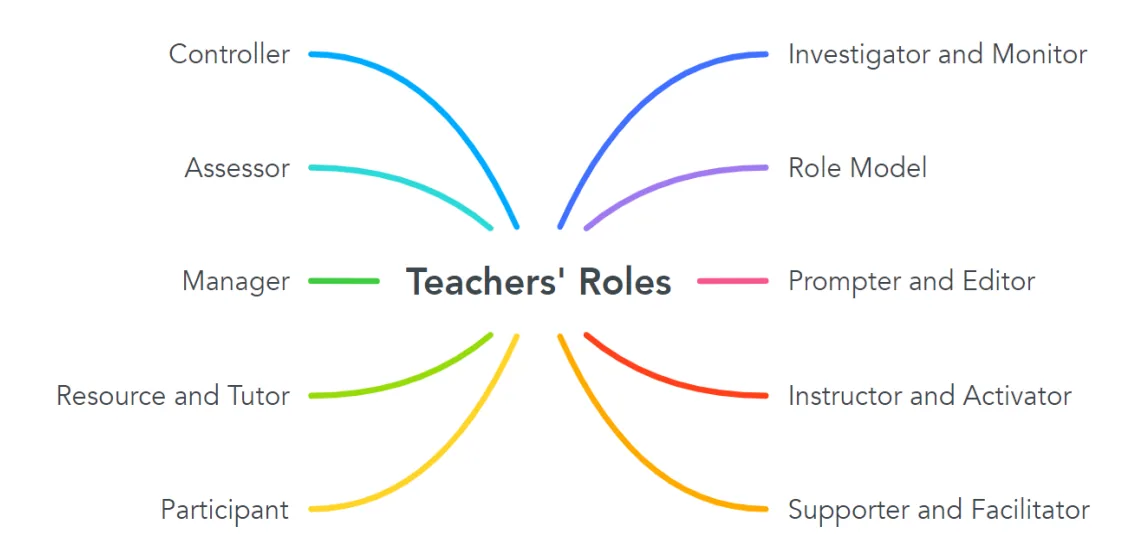
Figure 1. Different roles of teachers in English language teaching
The influence of English teachers' roles on learner-centered learning
English teachers play diverse and interconnected roles that significantly impact students' learner-centered language learning. These roles consist of being controllers, assessors, managers, resources, tutors, participants, investigators, role models, prompters, editors, instructors, activators, supporters, and facilitators. Each role contributes uniquely to shaping a dynamic and student-centric language learning environment.
On the one hand, the role of a controller can hinder learner-centered language learning if is taken to an extreme. Excessive control may limit students' autonomy and initiative, impeding the development of self-directed language acquisition (Obilişteanu & Niculescu, 2015; Naibaho, 2019). Rigid control can restrict opportunities for students to make choices, engage collaboratively, and take ownership of their learning process, hindering the creation of a dynamic and interactive classroom environment (Harmer, 2015; Durán & García, 2021).
On the other hand, several roles of English teachers positively influence learner-centered language learning. The assessor's role fosters a dynamic and responsive environment by providing personalized feedback, correction, and guidance (Rea-Dickins, 2004; Ur, 2012). This approach empowers students to actively engage in their language acquisition, promoting autonomy and self-directed learning (Weideman, 2019; Mentz & Lubbe, 2021). The roles of classroom manager, resource provider, and tutor contribute to learner-centeredness by establishing a structured and supportive environment, offering tools and materials for autonomous exploration, and providing personalized assistance tailored to individual needs (Miller, Summers, & Miller, 2012; Kumbakonam & Archana, 2017).
In addition, the teacher's role as a participant enhances learner-centered language learning by fostering interactive and dynamic educational environments. Active participation in discussions alongside students models language use, encouraging active participation and ownership of learning (Brown & Lee, 2015; Annisa, Saragih, & Bancin, 2021). The investigator's role, through meticulous observation and adaptation of teaching methods, promotes autonomy and active student involvement in shaping their language learning journey (Pianta & Hamre, 2009; Annisa, Saragih, & Bancin, 2021).
Furthermore, the role of a role model also has positive effects on the learner-centered language learning by shaping linguistic skills, attitudes, behaviors, and overall language acquisition approaches. Through authentic demonstrations of effective communication strategies, language usage, and cultural nuances, teachers inspire students to explore language independently (Basalama & Machmud, 2018; Fithriani et al., 2021; Hidayat, Fadhilah, & Septiawan, 2022). The dual roles of a prompter and editor encourage independent thinking, active engagement with language, and reflective practices, promoting a learner-centered paradigm where students drive their own progress (Ur, 2012; Harmer, 2015).
Moreover, the dual roles of an instructor and activator positively impact learner-centered language learning by imparting foundational knowledge and prompting active engagement with language components. This structured foundation, coupled with interactive tasks, fosters autonomy, critical thinking, and a deeper understanding of the language within a student-centric learning environment (Ur, 2012; Brown & Lee, 2015).
The roles of supporter and facilitator also contribute to shaping a learner-centered language learning environment by establishing a foundation of trust and care, fostering a positive atmosphere, and guiding students in self-exploration and autonomous learning. The provision of effective learning strategies and resources enhances students' motivation and self-directed learning skills, contributing to a dynamic and learner-centric language learning experience (Ur, 2012; Kumbakonam & Archana, 2017).
Discussion
The research questions have been addressed through the data obtained from the above findings. In relation to the first research question, 14 major roles of teachers in English classes have been found. These roles include controllers, assessors, managers, resources, tutors, participants, investigators, role models, prompters, editors, instructors, activators, supporters, and facilitators. Seven out of these 14 functions of ELT teachers are mentioned in the study of Ur (2012), which are instructor, activator, model, provider of feedback, supporter, assessor, manager, and motivator. Besides, Harmer (2015) adds some more roles teachers play in English classrooms, which are controller, monitor and evidence gatherer, prompter ad editor, resource and tutor, and organizer/task-settler. These functions of teachers have also been synthesized in the findings of this paper.
In student-centered learning environments, teachers in English language teaching take on complicated roles that extend beyond traditional lecture-based approaches. Firstly, teachers become facilitators who guide students through their language learning journey, encouraging active participation and critical thinking. Instead of being the sole source of knowledge, they create opportunities for collaborative learning, allowing students to engage in meaningful discussions and problem-solving activities. This approach not only enhances language skills but also fosters independent thinking and communication abilities (Osmani, 2019; Kim, Raza, & Seidman, 2019; Cosgun & Atay, 2021).
Furthermore, teachers in student-centered English language classrooms act as mentors and motivators. They understand the diverse learning styles and preferences of their students, tailoring instruction to accommodate individual needs. Through personalized feedback and constructive guidance, teachers inspire a sense of confidence and self-efficacy among learners. This supportive role helps cultivate a positive learning environment where students are encouraged to take risks, make mistakes, and learn from them (Anwar & Ijie, 2023). Ultimately, in student-centered English language teaching, teachers play pivotal roles as facilitators, mentors, and motivators, contributing to the holistic development of language skills and fostering a lifelong fancy of learning (Zahroh et al., 2023).
Regarding the second question, English teachers' diverse roles significantly shape and enhance learner-centered language learning experiences. These outcomes share the same findings in other studies of Kumbakonam and Archana (2017) and Naibaho (2019). Sharing similar results, all findings emphasize the evolving role of teachers in education, focusing on understanding students' perspectives, facilitating learning as self-exploration, creating conducive learning environments, managing classes efficiently, and conducting fair evaluations to foster student growth based on strengths rather than weaknesses.
In terms of the English teacher's function as a controller, the discoveries of this research show that it has both positive and negative implications in learner-centered language learning. On the positive side, providing clear structure and guidance can offer a sense of security and direction, especially for beginners (Obilişteanu & Niculescu, 2015; Durán & García, 2021). Teachers, acting as controllers, can ensure that learners understand fundamental language concepts. However, there's a potential downside if excessive control stifles student creativity and autonomy. Over-reliance on the teacher's guidance may inhibit critical thinking and independent problem-solving skills in learners (Harmer, 2015). Striking a balance between control and learner autonomy is crucial to maximize the benefits of both structured instruction and studentcentered exploration.
Among other functions of teachers in English classrooms, the role of a facilitator is remarkably pivotal, as it encourages students to actively participate in their learning journey. By creating an environment where students take the lead, teachers empower them to explore language concepts, collaborate with peers, and develop critical thinking skills (Ur, 2012; Kumbakonam & Archana, 2017). This learner-centered approach ensures that education is not a passive reception of information but an interactive process where students actively construct their understanding of the English language.
Additionally, the mentorship aspect of a teacher's role greatly influences learner-centered language learning. Teachers act as guides, offering personalized feedback, addressing individual strengths and weaknesses, and tailoring instruction to meet specific learner needs. This one-on-one support creates a more student-centric environment, fostering a sense of trust and connection (Brown & Lee, 2015; Naibaho, 2019). Furthermore, the teacher's motivational role is crucial in sustaining learner engagement. By inspiring a passion for language learning, setting achievable goals, and celebrating milestones, teachers contribute to a positive and learner-centered atmosphere, motivating students to take ownership of their linguistic development. In essence, the various roles of English teachers contribute synergistically to the creation of an effective and student-centered language learning environment.
In short, English teachers' diverse roles significantly influence students' learner-centered language learning. While the role of a controller may have a negative impact if taken to extremes, the positive influences from roles such as assessor, classroom manager, resource provider, tutor, participant, investigator, role model, prompter, editor, instructor, activator, supporter, and facilitator collectively contribute to creating a dynamic, responsive, and studentcentered language learning environment. These roles empower students to actively participate in their linguistic development, fostering autonomy, motivation, and self-directed learning throughout their language learning journey.
Conclusion
This paper aimed to delineate educators' responsibilities in language teaching, clarifying the teacher's role through insights from diverse sources. The research employed a meticulous library-based approach, reviewing theoretical frameworks relevant to the study's themes. Primary tools included scholarly books and articles chosen to align with the study's focus. The data analysis followed principles of descriptive qualitative analysis, enabling a thorough interpretation of gathered information. This systematic exploration provided a solid foundation for scholarly discussion and academic contribution, addressing research problems comprehensively. The methodology involved thoughtful scholarly inquiry, contributing valuable insights to the field of language teaching.
English teachers fulfill a variety of roles crucial to students' learner-centered language learning, including controllers, assessors, managers, resources, tutors, participants, investigators, role models, prompters, editors, instructors, activators, supporters, and facilitators. These roles collectively shape a dynamic and student-centric language learning environment. While an excessive focus on the controller role may have negative consequences, the positive impact of roles like assessor, manager, resource provider, tutor, participant, investigator, role model, prompter, editor, instructor, activator, supporter, and facilitator is instrumental. These roles empower students, fostering autonomy, motivation, and self-directed learning in their language acquisition journey.
The results have the potential to improve the effectiveness of teachers' instructional methods by giving priority to the needs, interests, and lifelong learning of students. Nevertheless, some limitations of this study were unavoidable. Particularly, this research only briefly and theoretically examined how each role affects learner-centered language learning. In addition, the absence of specific statistical data comparing the impact of each role on the effectiveness of learner-centered English learning represented another shortcoming.
To address these limitations, future research is recommended to prioritize in-depth statistical analyses to provide a more detailed understanding of how individual teacher roles contribute to the specific characteristics of the learner-centered English learning process. This approach will enhance practical foundation of the study and pave the way for more comprehensive conclusions in this academic domain.
References
- Afshar, H. S., & Jamshidi, B. (2022). EFL Learners' Language Learning Strategy Use, Instrumental Motivation, Self-efficacy, Self-regulation, Autonomy, and L2 Achievement: A SEM Analysis. Applied Research on English Language, 11(4), 133- 159. doi:https://doi.org/10.22108/are.2022.133123.1880
- Ahmadi, M. R. (2018). The Use of Technology in English Language Learning: A Literature Review. International Journal of Research in English Education, 3(2), 115-125. doi:https://doi.org/10.29252/ijree.3.2.115
- Alharbi, A. F., & Surur, R. S. (2019). The Effectiveness of Oral Assessment Techniques Used in EFL Classrooms in Saudi Arabia From Students and Teachers Point of View. English Language Teaching, 12(5), 1-19. doi:https://doi.org/10.5539/elt.v12n5p1
- Ali, S. S. (2019). Problem Based Learning: A Student-Centered Approach. English Language Teaching, 12(5), 73-78. doi:https://doi.org/10.5539/elt.v12n5p73
- Almubarokah, Q., & Arifani, Y. (2021). Teachers' Perspective of Distance Learning TV in Teaching Speaking During COVID-19. Lensa: Kajian Kebahasaan, Kesusastraan, Dan Budaya, 11(2), 252-267. doi:https://doi.org/10.26714/lensa.11.2.2021.252-267
- Amponsah, S. (2015). Shifting from teacher-centred to learner centred approach to teaching English first additional language: the use of the cooperative learning approach. African Journal of Pedagogy and Curriculum, 2(1), 21-32. Retrieved from https://www.researchgate.net/profile/Samuel-Amponsah-3/publication/323365244\_Shifting\_from\_teachercentred\_to\_learner\_centred\_approach\_to\_teaching\_English\_first\_additional\_language _the_use_of_the_cooperative_learning_approach/links/5ace4486aca2723a3341ee4
- Annisa, P. S., Saragih, B., & Bancin, H. T. (2021). Teacher Roles Used in English Classroom Interaction. Jurnal Darma Agung, 29(1), 135-145. Retrieved December 27, 2023, from https://www.google.com.vn/url?sa=t&rct=j&q=&esrc=s&source=web&cd=&cad=rja &uact=8&ved=2ahUKEwiqkqXy66- DAxXv3TQHHRQnCZYQFnoECA4QAQ&url=https%3A%2F%2Fjurnal.darmaagun g.ac.id%2Findex.php%2Fjurnaluda%2Farticle%2Fdownload%2F941%2F797&usg=A OvVaw2RsU8MYZxYCMPKhID
- Anwar, S. H., & Ijie, H. S. (2023). Teacher's Role as Motivator in the Development of Students at Neglasari Cipare Primary School, Serang, Indonesia. Community Medicine and Education Journal, 4(2), 293–298. doi:https://doi.org/10.37275/cmej.v4i2.314
- Ardiansyah, W., & Ujihanti, M. (2017). Constructivism and Its Perspectives Related to Teaching And Learning Process In The Classroom : A Conceptual Framework. Tarbawy : Jurnal Pendidikan Islam, 4(1), 117–143. doi:https://doi.org/10.32923/tarbawy.v4i1.815
- Banavath, S., & Reddy, C. (2023). Learner-centered Teaching and Approaches for Second Language Learning. International Journal of English Language, Literature and Translation Studies (IJELR), 10(4), 11-13. doi:http://www.ijelr.in/10.4.23/14-
21%20HAO%20ZHANG.pdf
-
Basalama, N., & Machmud, K. (2018). The Influence of Role Model Affects Teacher Identity Development in English as a Foreign Language Teaching Context. TESOL International Journal, 13(1), 41–53. Retrieved from http://files.eric.ed.gov/fulltext/EJ1247213.pdf
-
Begum, J. (2018). Learner Autonomy in EFL/ESL Classrooms in Bangladesh: Teachers' Perceptions and Practices. International Journal of Language Education, 2(2), 96–104. doi:https://doi.org/10.26858/ijole.v2i2.6411
-
Boyadzhieva, E. (2016). Learner-centered Teaching and Learner Autonomy. Procedia - Social and Behavioral Sciences, 232, 35-40. doi:https://doi.org/10.1016/j.sbspro.2016.10.008
-
Brown, H. D., & Lee, H. (2015). Teaching by Principles: An Interactive Approach to Language Pedagogy (4th ed.). White Plains, NY: Pearson Education.
-
Cattaneo, A. A., Bonini, L., & Rauseo, M. (2021). The "Digital Facilitator": An Extended Profile to Manage the Digital Transformation of Swiss Vocational Schools. In D. Ifenthaler, S. Hofhues, M. Egloffstein, & C. Helbig, Digital Transformation of Learning Organizations (pp. 169–187). Cham: Springer. doi:https://doi.org/10.1007/978-3-030- 55878-9_10
-
Cohen, L., Manion, L., & Morrison, K. (2018). Research Methods in Education (8th ed.). New York: Routledge. doi:https://doi.org/10.4324/9781315456539
-
Cosgun, G., & Atay, D. (2021). Fostering critical thinking, creativity, and language skills in the EFL classroom through problem-based learning. International Journal of Curriculum and Instruction, 13(9), 2360- 2385. Retrieved January 26, 2024, from https://files.eric.ed.gov/fulltext/EJ1312851.pdf
-
Creswell, J. W., & Guetterman, T. C. (2019). Educational Research: Planning, Conducting, and Evaluating Quantitative and Qualitative Research (6th ed.). New Jersey: Pearson.
-
Darsih, E. (2018). Learner-centered learning: What makes it effective. Indonesian EFL Journal, 4(1), 33-42. doi:https://doi.org/10.25134/ieflj.v4i1.796
-
Doan, T. N. (2023). Motivation from Technology Innovation in Teaching Foreign Languages: A Case Study in Vietnam. Vietnam Academy of Social Sciences's VSSR, 214(2), 92–104. doi:https://dx.doi.org/10.56794/vssr.2(214).92-104
-
Durán, E., & García, K. (2021). Exploring EFL Teaching and Learning Processes in Two Undergraduate Mandatory Courses. Profile: Issues in Teachers' Professional Development, 23(1), 145–160. doi:https://doi.org/10.15446/profile.v23n1.85931
-
Emiliasari, R. N., Prasetyo, E., & Syarifah, E. F. (2019). Problem-based Learning: Developing Students' Critical Thinking. Linguists: Journal of Linguistics and Language Teaching, 5(1), 56-64. doi:https://doi.org/10.29300/ling.v5i1.1962
-
Ertmer, P. A., & Ottenbreit-Leftwich, A. T. (2010). Teacher Technology Change: How Knowledge, Confidence, Beliefs, and Culture Intersect. Journal of Research on Technology in Education, 42(3), 255–284.
-
Fithriani, Syabuddin, Gunawan, Zainuddin, T., & Sulaiman. (2021). Teacher as a Role Model in the 2013 Curriculum Development. Jurnal Ilmiah Islam Futura, 21(2), 240–255. doi:https://dx.doi.org/10.22373/jiif.v21i2.7516
-
Gao, Y. (2021). Toward the Role of Language Teacher Confirmation and Stroke in EFL/ESL Students' Motivation and Academic Engagement: A Theoretical Review. Frontiers in Psychology, 12, 1-8. doi:https://doi.org/10.1177/1362168820938810
-
Gulnaz, F., Alfaqih, A. M., & Mashhour, N. A. (2015). Paradigm Shift: A Critical Appraisal of Traditional and Innovative Roles of an English Teacher in Saudi ELT Classrooms. Theory and Practice in Language Studies, 5(5), 934-946. doi:http://dx.doi.org/10.17507/tpls.0505.07
-
Hameed, P. F. (2020). Learner-Centered Language Learning Strategy in Digital Environment: Its Effect to Students' Vocabulary, Collaboration and Independence. TESOL International Journal, 15(4), 102–123. Retrieved from https://www.google.com.vn/url?sa=t&rct=j&q=&esrc=s&source=web&cd=&cad=rja &uact=8&ved=2ahUKEwjZ0KP2vayDAxWch1YBHVimATwQFnoECCcQAQ&url= https%3A%2F%2Ffiles.eric.ed.gov%2Ffulltext%2FEJ1329931.pdf&usg=AOvVaw3se 0dY2uNILlYh0iaoxlDC&opi=89978449
-
Harmer, J. (2015). The Practice of English Language Teaching (5th ed.). Essex, England: Pearson Education.
-
Harris, J., Mishra, P., & Koehler, M. (2009). Teachers' Technological Pedagogical Content Knowledge and Learning Activity Types: Curriculum-based Technology Integration Reframed. Journal of Research on Technology in Education, 41(4), 393-416. doi:http://dx.doi.org/10.1080/15391523.2009.10782536
-
Hennebry-Leung, M., & Xiao, H. A. (2023). Examining the role of the learner and the teacher in language learning motivation. Language Teaching Research, 27(1), 30–56. doi:https://doi.org/10.1177/1362168820938810
-
Hidayat, D. N., Fadhilah, F., & Septiawan, Y. (2022). Speech acts in English classroom: A case at a junior high school in Indonesia. EduLite: Journal of English Education, Literature and Culture, 7(2), 251-265. doi:https://doi.org/10.30659/e.7.2.251-265
-
Iberahim, A., Yunus, M. M., & Sulaiman, N. A. (2023). A Review on Technology Enhanced Language Learning (TELL). International Journal of Academic Research in Business and Social Sciences, 13(2), 1509-1519. doi:http://dx.doi.org/10.6007/IJARBSS/v13 i2/16496
-
Ishak, I., & Nahdhiyah, N. (2020). The Strategies. English Language Teaching for EFL Learners, 2(2), 83-94. doi:https://dx.doi.org/10.24252/elties.v2i2.15159
-
Jaiswal, P. (2019). Using learner-centered instructional approach to foster students' performances. Theory and Practice in Language Studies, 9(9), 1074–1080. doi:https://doi.org/10.17507/tpls.0909.02
-
Kassem, H. M. (2018). The Impact of Student-Centered Instruction on EFL Learners' Affect and Achievement. English Language Teaching, 12(1), 134-153. doi:https://doi.org/10.5539/elt.v12n1p134
-
Keiler, L. S. (2018). Teachers' roles and identities in student-centered classrooms. International Journal of STEM Education, 5(1), 34. doi:https://doi.org/10.1186/s40594-018-0131-6
-
Kim, S., Raza, M., & Seidman, E. (2019). Improving 21st-century teaching skills: The key to effective 21st-century learners. Research in Comparative & International Education, 14(1), 99-117. doi:https://doi.org/10.1177/1745499919829214
-
Kumar, M., & Mamgain, P. (2023). Generation-Z Student Video-Based Learning Pedagogy Preference and Teaching Challenges. In R. Bansal, R. Singh, A. Singh, K. Chaudhary, & T. Rasul, Redefining Virtual Teaching Learning Pedagogy (pp. 155–167). Beverly: Wiley. doi:https://doi.org/10.1002/9781119867647.ch9
-
Kumbakonam, U. R., & Archana, S. (2017). Role of a Teacher in English Language Teaching (ELT). International Journal of Educational Science and Research, 7(1), 1-4. Retrieved December 24, 2023, from https://www.tjprc.org/publishpapers/2-49-1486615113- 1.IJESRFEB20171.pdf
-
Kusumoto, Y. (2018). Enhancing critical thinking through active learning. Language Learning in Higher Education, 8(1), 45-63. doi:https://doi.org/10.1515/cercles-2018-0003
-
Kuswanto, W., & Anwar, K. (2017). Teacher Position For Promoting Autonomous Learners In Teaching Speaking English. Didaktika, 21(2), 198-212. Retrieved from https://www.google.com.vn/url?sa=t&rct=j&q=&esrc=s&source=web&cd=&cad=rja &uact=8&ved=2ahUKEwjQk7XJ-4KEAxXfqVYBHU0tAgoQFnoECCYQAQ&url=https%3A%2F%2Fjournal.umg.ac.i d%2Findex.php%2Fdidaktika%2Farticle%2Fdownload%2F124%2F103&usg=AOvVa w1f_hRYi3-RRD_5Yg6m8Inp&
-
Leotta, P. C. (2021). The relevance of an intercultural approach in teaching english for academic purposes. The 11th International Conference on EUropean Transnational Educational (ICEUTE 2020). 1266, pp. 181–186. Springer. doi:https://doi.org/10.1007/978-3-030- 57799-5_19
-
Ly, C. K. (2022). English as a Global Language: An Exploration of EFL Learners' Beliefs in Vietnam. International Journal of TESOL & Education, 3(1), 19–33. doi:https://doi.org/10.54855/ijte.23312
-
Mentz, E., & Lubbe, A. (Eds.). (2021). Learning through assessment: An approach towards Self-Directed Learning (Vol. 7). Cape Town: AOSIS. doi:http://dx.doi.org/10.4102/aosis.2021.BK280
-
Mhlongo, S., Mbatha, K., Ramatsetse, B., & Dlamini, R. (2023). Challenges, opportunities, and prospects of adopting and using smart digital technologies in learning environments: An iterative review. Heliyon, 9(6), e16348. doi:https://doi.org/10.1016/j.heliyon.2023.e16348
-
Miller, L. M., Summers, J. J., & Miller, L. M. (2012). An Interpersonal Approach to Classroom Management: Strategies for Improving Student Engagement. California: Corwin Press. doi:https://doi.org/10.4135/9781483387383
-
Naibaho, L. (2019). Teachers' Roles on English Language Teaching: A Students Centered Learning Approach. International Journal of Research - Granthaalayah, 7(4), 206-212. doi:https://doi.org/10.29121/granthaalayah.v7.i4.2019.892
-
Nguyen, T. P. (2022). Language learning motivation of Vietnamese EFL students and their attitudes towards classroom factors. HCMCOUJS-Social Sciences, 12(1), 63-78. doi:https://doi.org/10.46223/HCMCOUJS.soci.en.12.1.2282.2022
-
Nguyen, T. T. (2021). Implementing Digital Techniques to Stimulate EFL Students' Engagement: A Case Study in Vietnam. International Journal of TESOL & Education, 1(3), 105-129. doi:https://i-jte.org/index.php/journal/article/view/81
-
Nunan, D. (1989). Designing Tasks for the Communicative Classroom. Cambridge: Cambridge University Press.
-
Obilişteanu, G., & Niculescu, B.-O. (2015). Teacher Control In The Second Language Classes. International Conference KNOWLEDGE-BASED ORGANIZATION, 21(2), 618–623. doi:https://doi.org/10.1515/kbo-2015-0105
-
Olugbenga, M. (2021). The Learner Centered Method and Their Needs in Teaching. International Journal of Multidisciplinary Research and Explorer (IJMRE), 1(9), 64- 69. doi:https://doie.org/10.1016/IJMRE.2021831851
-
Osmani, R. (2019). Promoting Learner Autonomy in EFL Classes: Experiences with SEE University Students. Knowledge: International Journal, 31(6), 1693–1696. doi:https://doi.org/10.35120/kij31061693o
-
Pathan, H., Memon, R. A., Memon, S., Khoso, A. R., & Bux, I. (2018). A Critical Review of Vygotsky's Socio-Cultural Theory in Second Language Acquisition. International Journal of English Linguistics, 8(4), 232-236. doi:https://doi.org/10.5539/ijel.v8n4p232
-
Philominraj, A., Quintana, M. G., Arrellano, R., & Ranjan, R. (2020). Experiential Learning as Learner Centered Approach (LCA) in English Language Classroom. Universal Journal of Educational Research, 8(12A), 7660–7667. doi: https://doi.org/10.13189/ujer.2020.082552
-
Pianta, R. C., & Hamre, B. K. (2009). Conceptualization, Measurement, and Improvement of Classroom Processes: Standardized Observation Can Leverage Capacity. Educational Researcher, 38(2), 109-119. doi:http://dx.doi.org/10.3102/0013189X09332374
-
Rasuli, M. H., Makhdoomzada, F. M., & Haidari, S. A. (2023). Effects of Teacher and Student Relationships to Enhance the Learning Process. American Journal of Multidisciplinary Research and Innovation, 2(5), 65-69. doi:https://doi.org/10.54536/ajmri.v2i5.1988
-
Rea-Dickins, P. (2004). Understanding teachers as agents of assessment. Language Testing, 21(3), 249-258. doi:https://doi.org/10.1191/0265532204lt283ed
-
Richards, J. C. (2015). Key Issues in Language Teaching. Cambridge: Cambridge University Press. doi: https://doi.org/10.1017/9781009024600
-
Sadaghian, S., & Marandi, S. (2021). Fostering Language Learner Autonomy Through Interdependence: The Power Of Wikis. Turkish Online Journal of Distance Education, 22(1), 194–208. doi:https://doi.org/10.17718/tojde.849907
-
Singh, P., & Singh, M. P. (2021). The Role of Teachers in Motivating Students to Learn. Technolearn An International Journal of Educational Technology, 11(1), 29-32. doi:https://dx.doi.org/10.30954/2231-4105.01.2021.6
-
Sistyawan, Y. N., Purnamasari, I. I., Azizah, W., & Mardiningrum, A. (2022). Teacher Talks and Their Importance for EFL Learners. JEES (Journal of English Educators Society), 7(2), 182-189. doi:https://doi.org/10.21070/jees.v7i2.1652
-
Snyder, H. (2019). Literature review as a research methodology: An overview and guidelines. Journal of Business Research, 104, 333–339. doi:https://doi.org/10.1016/j.jbusres.2019.07.039
-
To, J. (2021). Using learner-centred feedback design to promote students' engagement with feedback. Higher Education Research and Development, 41(4), 1-16. doi:http://dx.doi.org/10.1080/07294360.2021.1882403
-
Trinh, T. N. (2023). Improving Students' Self-Study Capacity in Online Teaching at the University of Technology, Vietnam National University Ho Chi Minh City: A Discussion. International Journal of TESOL & Education, 3(1), 144-153. doi:https://doi.org/10.54855/ijte.23319
-
Tzenios, N. (2022). Learner-centered Teaching. International Research Journal of Modernization in Engineering Technology and Science, 4(12), 916-919. doi: https://www.doi.org/10.56726/IRJMETS32262
-
Umar, U. (2021). The important Roles of Teachers in English Language Teaching (ELT). JELL (Journal of English Language and Literature) STIBA-IEC Jakarta, 6(1), 69-80. doi:https://doi.org/10.37110/jell.v6i1.117
-
Ur, P. (2012). A Course in English Language Teaching (2nd ed.). Cambridge: Cambridge University Press. doi: https://doi.org/10.1017/9781009024518
-
Vellanki, S. S., & Bandu, S. (2021). Engaging Students Online with Technology-Mediated Task-Based Language Teaching. Arab World English Journal (AWEJ), 1(Special Issue on Covid 19 Challenges), 107-126. doi:https://dx.doi.org/10.24093/awej/covid.8
-
Weideman, A. (2019). Assessment literacy and the good language teacher: Insights and applications. Journal for Language Teaching, 53(1), 103-121. doi:https://doi.org/10.4314/jlt.v53i1.5
-
Zahroh, M., Alfian, L. Z., Maheswari, N. K., Sinta, S. D., & Fakhrani, N. (2023). The importance of educators' role in applying the essence and principles of learning. Curricula: Journal of Curriculum Development, 2(1), 73-86. doi:https://doi.org/10.17509/curricula.v2i1.52035
-
Zainuddin, N. (2023). Technology Enhanced Language Learning Research Trends and Practices: A Systematic Review (2020-2022). The Electronic Journal of e-Learning, 21(2), 69-79. doi:https://doi.org/10.34190/ejel.21.2.2835
-
Zeng, S. (2020). The Potential of Online Technology for Language Learning. English Language Teaching, 13(10), 23-37. doi:https://doi.org/10.5539/elt.v13n10p23
-
Zhou, X., Chen, L.-H., & Chen, C.-L. (2019). Collaborative learning by teaching: A pedagogy between learner-centered and learner-driven. Sustainability, 11(4), 1174. doi:https://doi.org/10.3390/su11041174
Biodata
Ly Cong Khanh is currently working as an English lecturer of the Faculty of Foreign Languages at Ho Chi Minh City University of Industry and Trade (HUIT),Vietnam. He holds a master's degree of Edith Cowan University (Australia) specializing in TESOL. At the moment, he is showing his interests in teaching English skills and materials development. He can be reached at khanhlc@huit.edu.vn or lykhanh.languagekey@gmail.com.